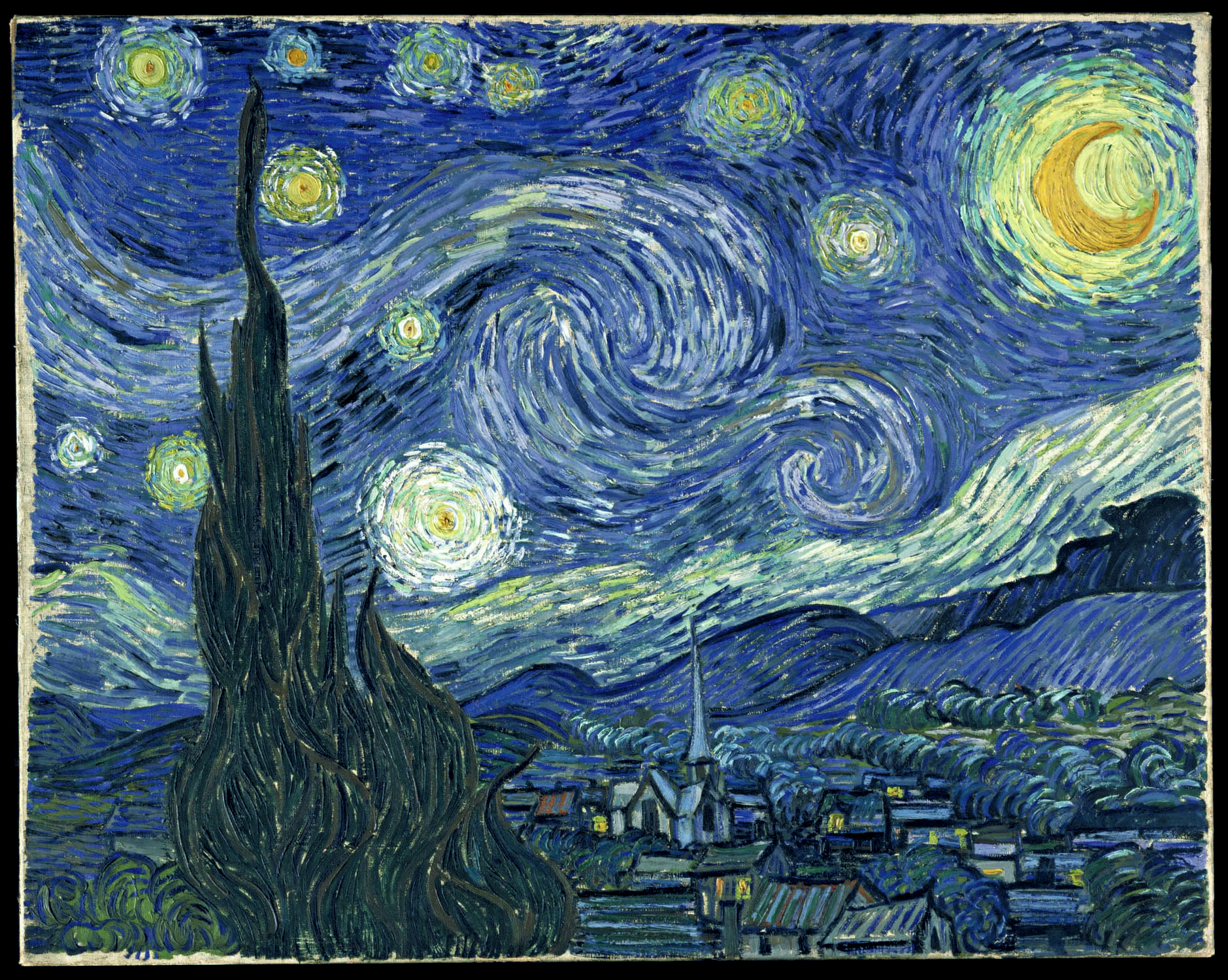
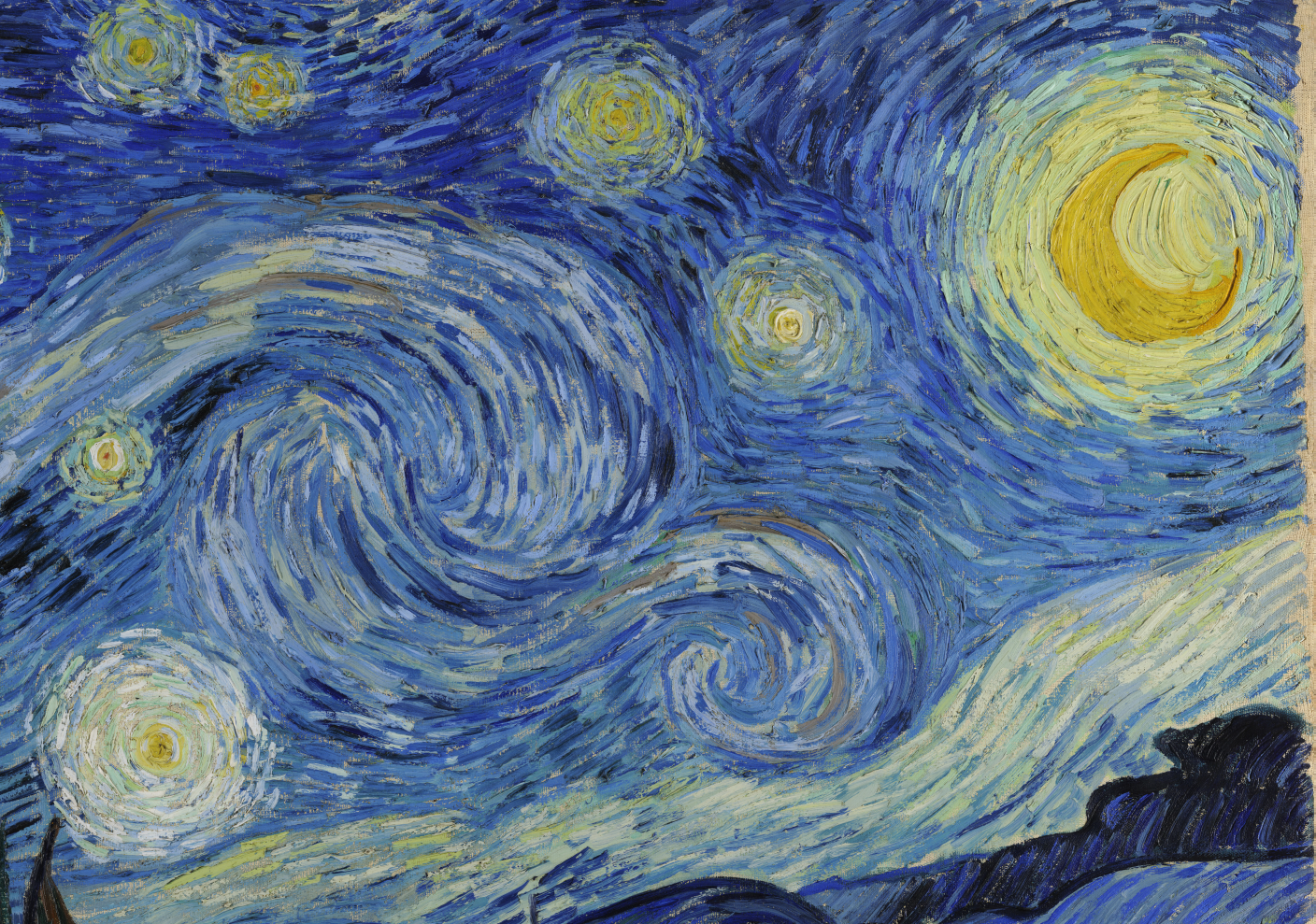
This isn’t just a night sky—it’s a message from a man living on the boundary between genius and madness. Let us step into his swirling mind. It is night time, and you find yourself a witness to an unfathomable cosmic drama. The sky and stars are in a state of flux. There are hills beneath which is a small village with some trees on the side. There is also a dark, foreboding cypress tree pointing towards the sky. The air is full of restless rhythms. Everything flows, swirls, and undulates. What does it all mean? This is the world Vincent Van Gogh painted from his asylum. This is “The Starry Night.”
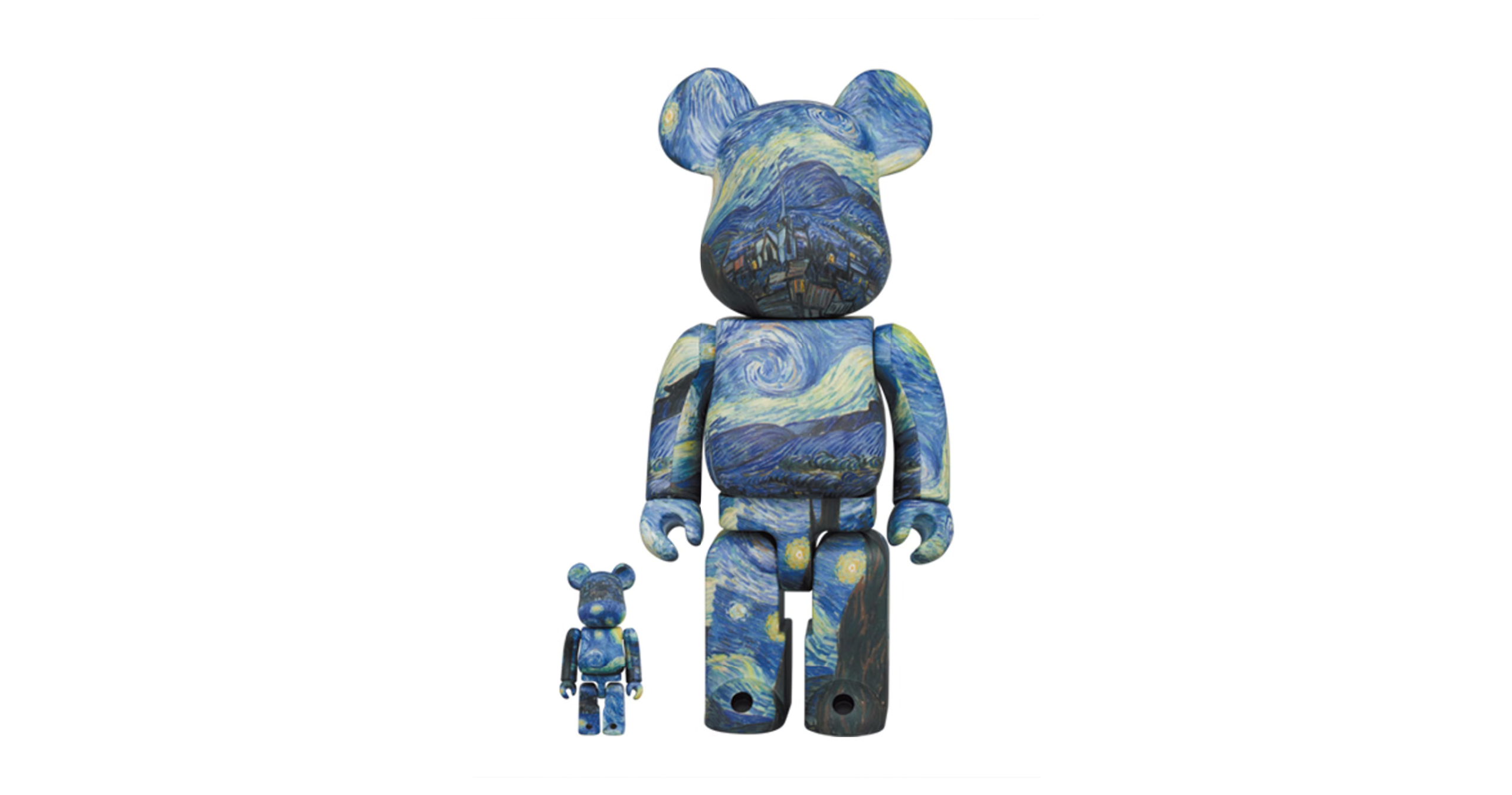
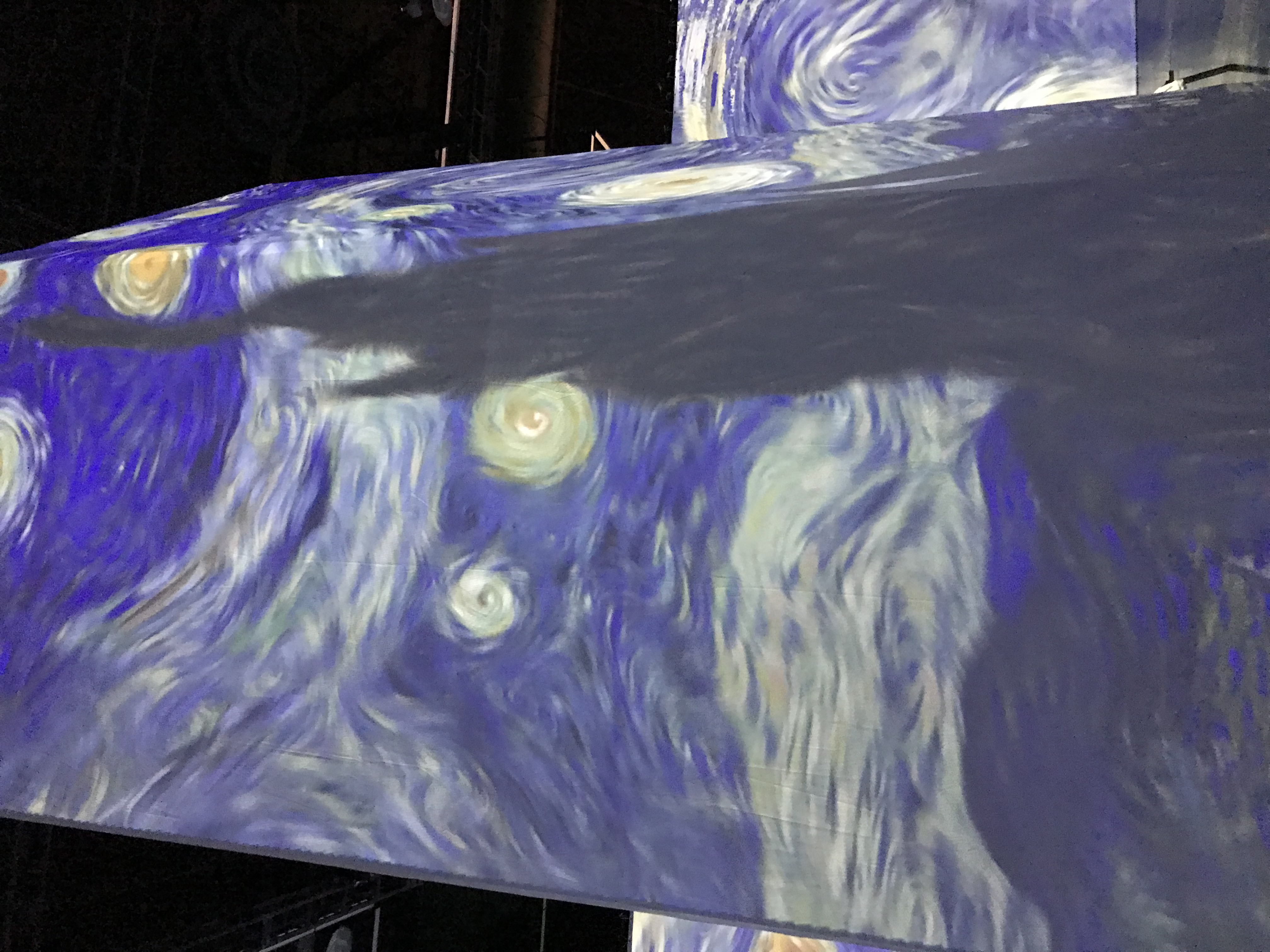
You have probably seen this iconic image plastered everywhere. You see it on mugs, T-shirts, and other articles of clothing, as well as jigsaw puzzles and a multitude of other things. It has inspired many songs (e.g., Don McLean’s 1971 "Vincent" or "Starry Starry Night"), films, TV series, operas, orchestral compositions, plays, and video games. There is also the recent craze over immersive 360-degree digital exhibits. Its emotional resonance is extraordinary. 135 years after Van Gogh’s death, the painting still touches something deep in us, across generations and cultures. Let us move inside the turbulence and explore this painting further.
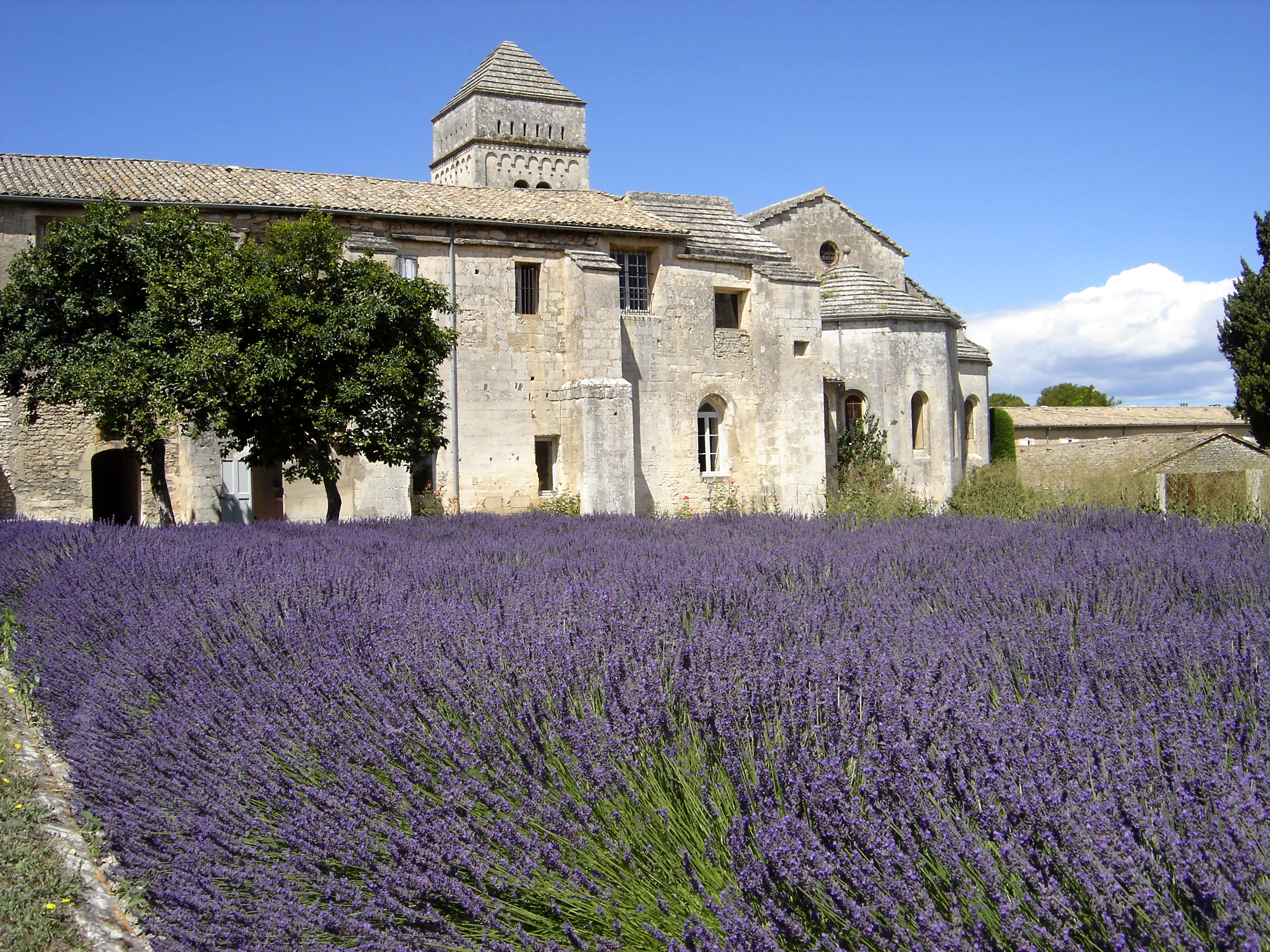
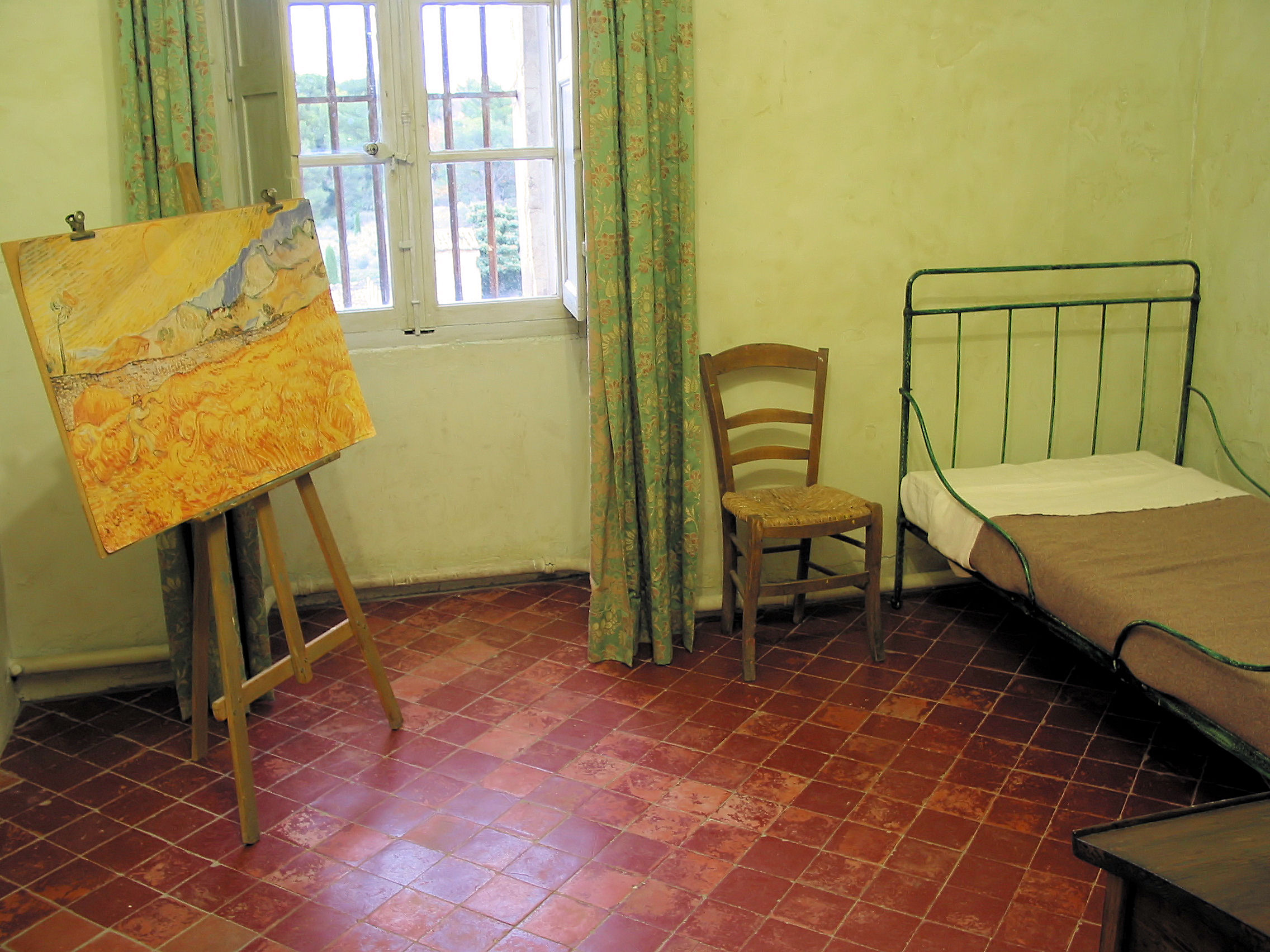
So, what is the context in which Van Gogh painted his iconic masterpiece? It was painted in June of 1889, just a month after he was voluntarily committed to a mental asylum in Saint-Remy in the south of France. As explored in our other video, this followed his fallout with Paul Gauguin, the shattering of his utopian dream of an artistic colony, and a subsequent infamous manic episode of cutting off his ear. As explored in our other videos, it is crucial to understand that such brilliant output was not a result of some unconscious mad drive. Van Gogh somehow managed to turn his inner turmoil and pain into beautiful, emotionally expressive masterpieces. His caring brother, Theo, stressed to the asylum that he be allowed to paint as much as possible, a kind of art therapy at work. “Starry Night” seems to be a mixture of both observation and imagination (what he saw outside of his asylum window, St. Remy at different times, perhaps the Dutch villages he grew up in, and certainly the fascination with a night sky alive with possibility).
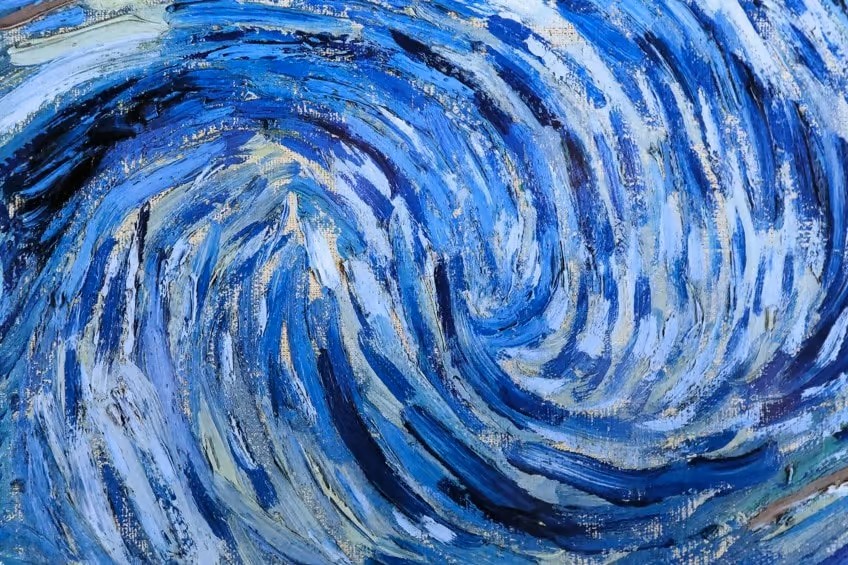
When we look at this painting pulsating with so much energy, we are not just looking at a beautiful, mysterious landscape. What is going on? Is it a cry for help? A cosmic prayer? A desire to connect? To transcend our humanity? This painting is not a literal view. It seems to carry meaning and mystery in every paint stroke. Van Gogh was fascinated with stars. He states: “Why, I ask myself, shouldn’t the shining dots of the sky be as accessible as the black dots on the map of France? Just as we take the train to Tarascon or Rouen, we take death to reach a star.” Stars thus take center stage in this cosmic drama. Are they a destination? A place of peace or refuge?
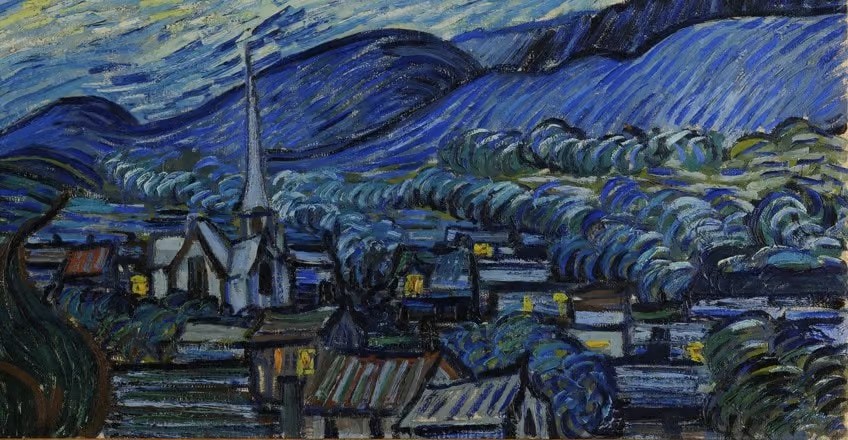
Beneath the swirling sky, you can see a calm village with a church which does not seem to be St. Remy (which did not have a church with that kind of spire). Is the church a symbol of Van Gogh’s complex relationship with religion? Is this a Dutch village from Vincent’s childhood? In contrast to the rest of the painting, the village is still and painted in muted colors. Is this the ordinary world/society, detached and isolated, indifferent to the emotional warmth and complexity of the cosmos?
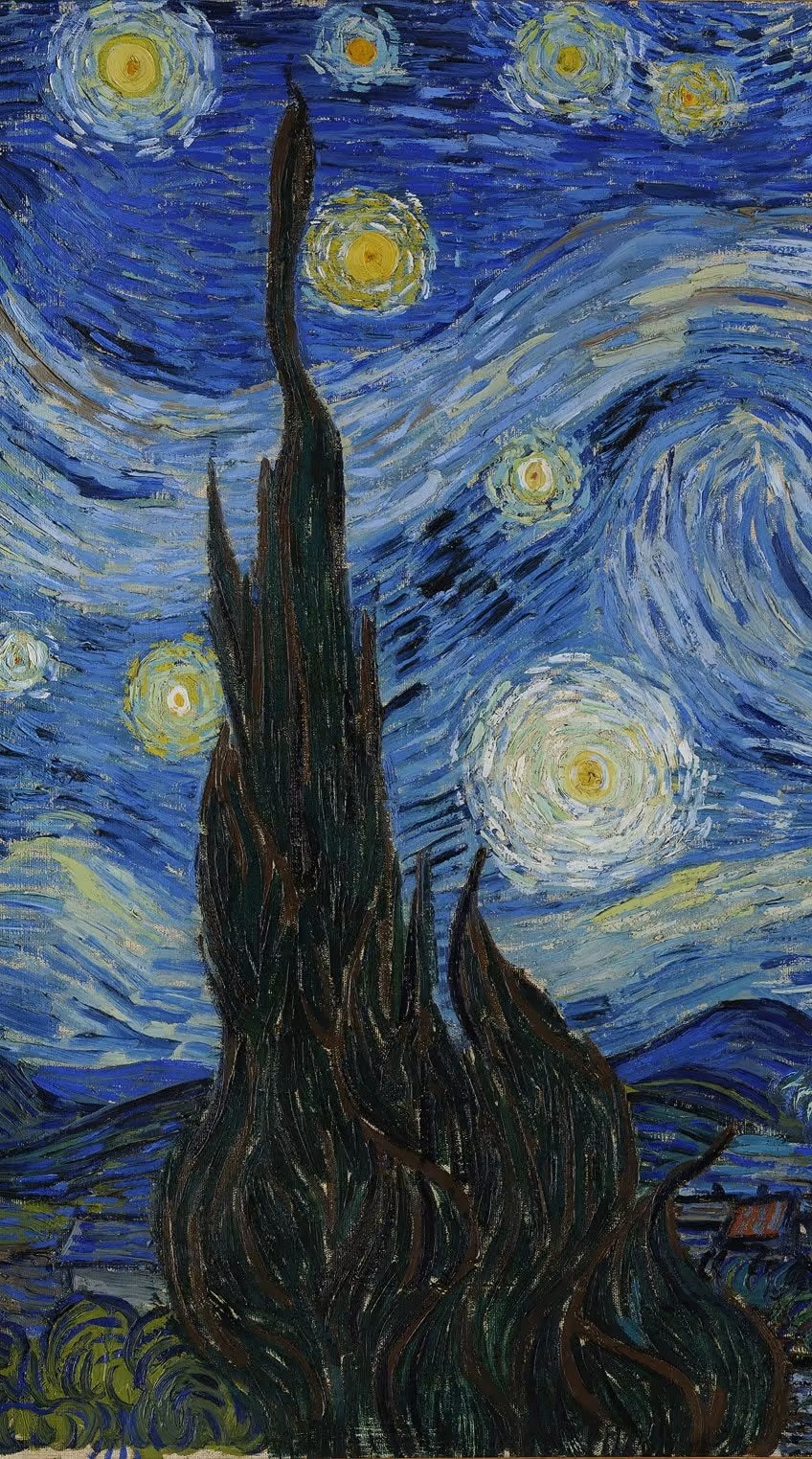
Perhaps the most ambiguous and integral component of this spiritual drama is the presence of a foreboding cypress tree dominating the left foreground. In many European cultures, Cypress trees are associated with death, mourning, and grief and are planted in cemeteries. Van Gogh seemed fascinated with them. He writes: “The cypresses still preoccupy me… I should like to do something with them like the canvases of the sunflowers… They are beautiful as regards lines and proportions, like an Egyptian obelisk.” With his cypress in “Starry Night,” Van Gogh paints a wild, dark flame-like spiral connecting earth and sky. His cypress is not just a symbol of death, rather can be seen as a bridge or spiritual passage between the known and unknown. Transcending the ordinary into the emotional, swirling sea of the extraordinary, reaching towards immortality. The twisting tree matches the agitation in the sky. Some see the cypress as a kind of self-portrait, reflecting Van Gogh’s emotional turmoil, refusing to be contained, always reaching upward. The whole canvas is in motion, bringing us inside this emotional, spiritual journey. Van Gogh’s expressive, thick brush work or impasto, his intense yellows and deep blues all contribute to a vibrant sense of movement. He states: “Instead of trying to reproduce exactly what I see… I make more arbitrary use of color to express myself more forcefully.”
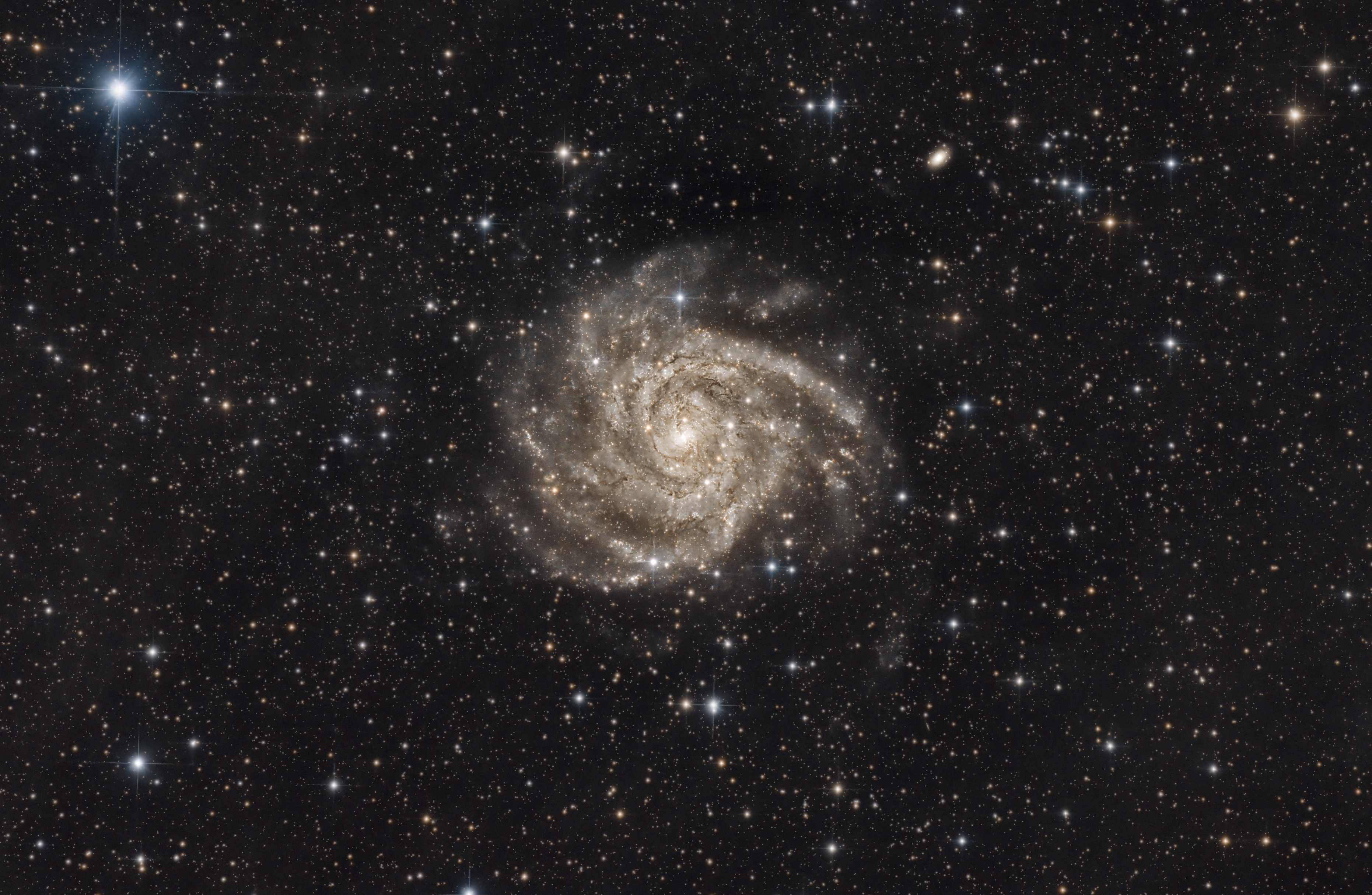
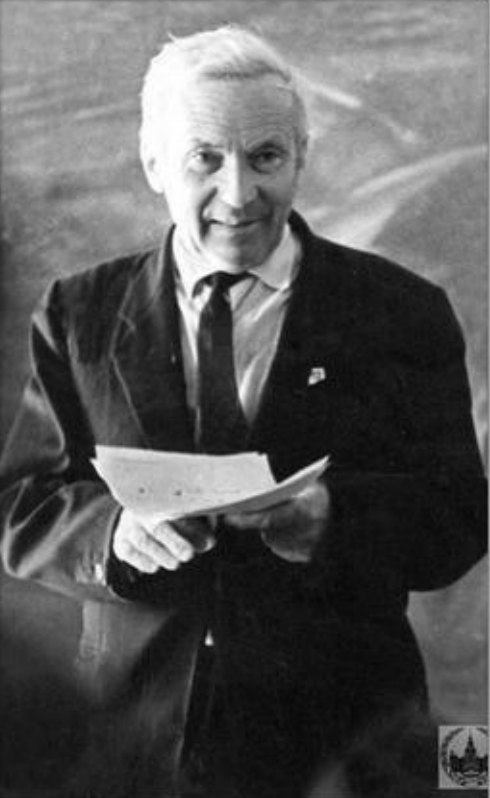
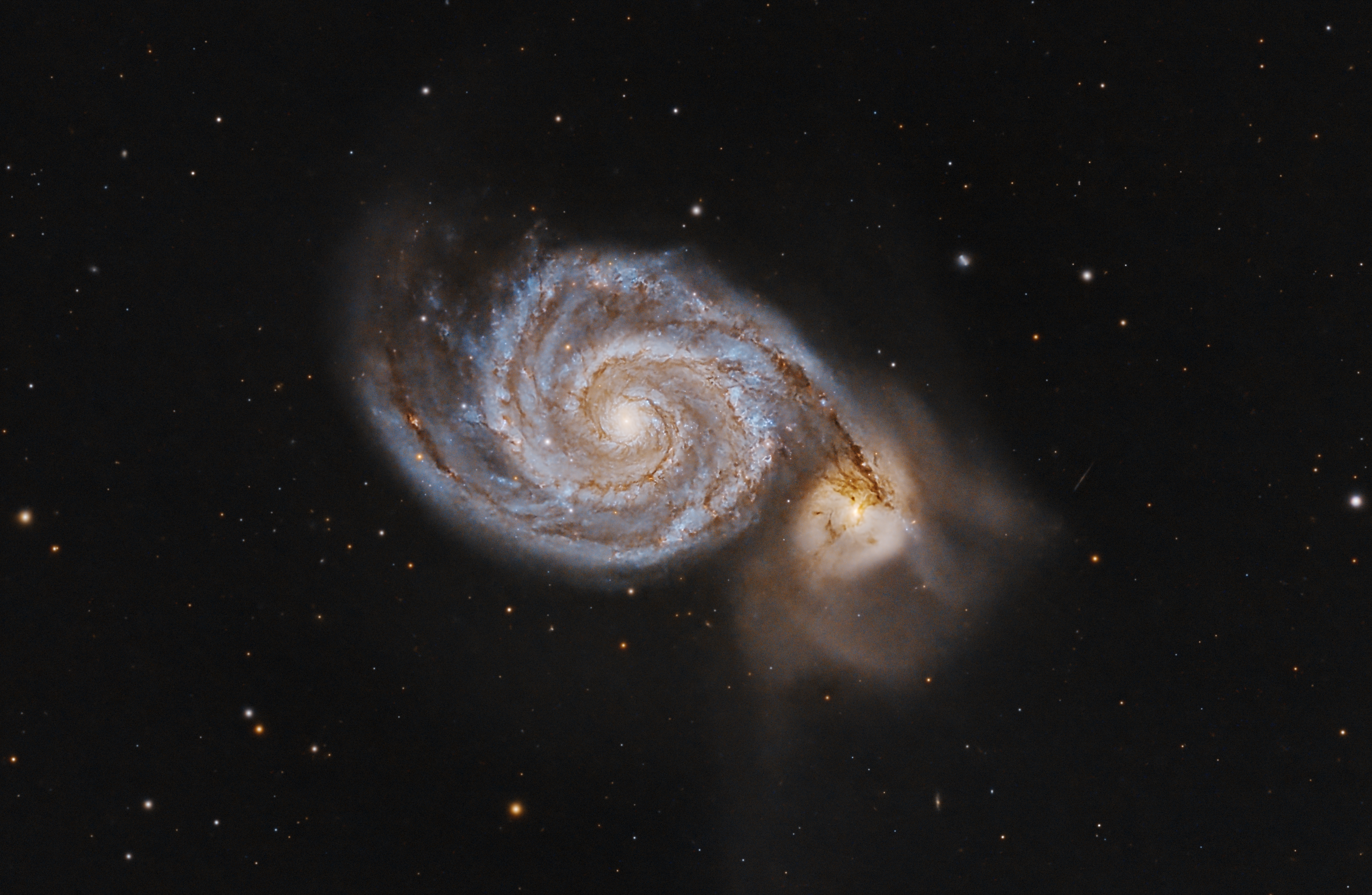
Incredibly, Van Gogh, without formal scientific training, had painted what physicists wouldn’t fully explain for another 50 years. Scientists have discovered that the swirling dance of the universe captured by Van Gogh here seems to accurately follow the laws of turbulence, only explained years after his death. Turbulence is the chaotic, unpredictable movement of fluids, like air, water, or even clouds of gas in space. In the 1940s, Russian mathematician Andrey Kolmogorov developed a theory that helped explain how turbulence works. Energy moves in a cascade from large swirls or eddies to smaller and smaller ones. There is a hidden structure even in the chaos of turbulence. Amazingly, researchers analyzing “Starry Night” found that the fluctuations in the sky’s light—its ‘luminance’—closely mimic such laws. How Van Gogh’s inner turmoil, meticulous observation of nature, and uncanny intuition resulted in such accuracy is astonishing. A hidden order among the chaos?
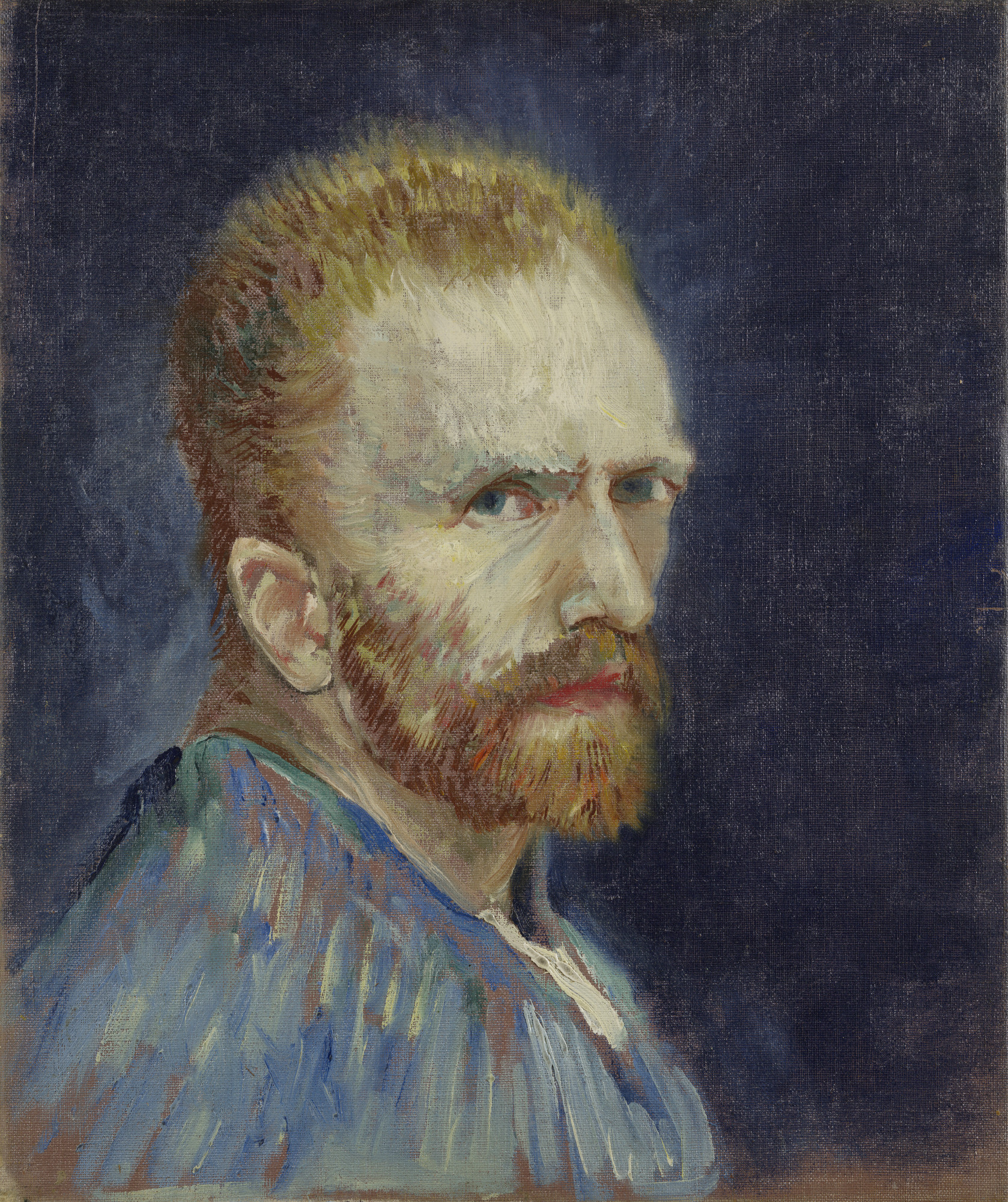
So why has the “Starry Night” evoked so much feeling through generations? In a world increasingly whirling away towards uncertainty, and feelings of anxiety and isolation ever more present, we yearn to reach for something beyond. We search for the infinite and seek meaning to transcend our ordinary lives. We want to climb that cypress tree to connect our body to our soul. Van Gogh states: “Seeing the stars always makes me dream.” Van Gogh’s message reaches us from the depths of pain to give us beauty and hope. Let us always try to dream, hope, and reach out for realms beyond.
Always be curious, seek out the blurred lines, and be illuminated.