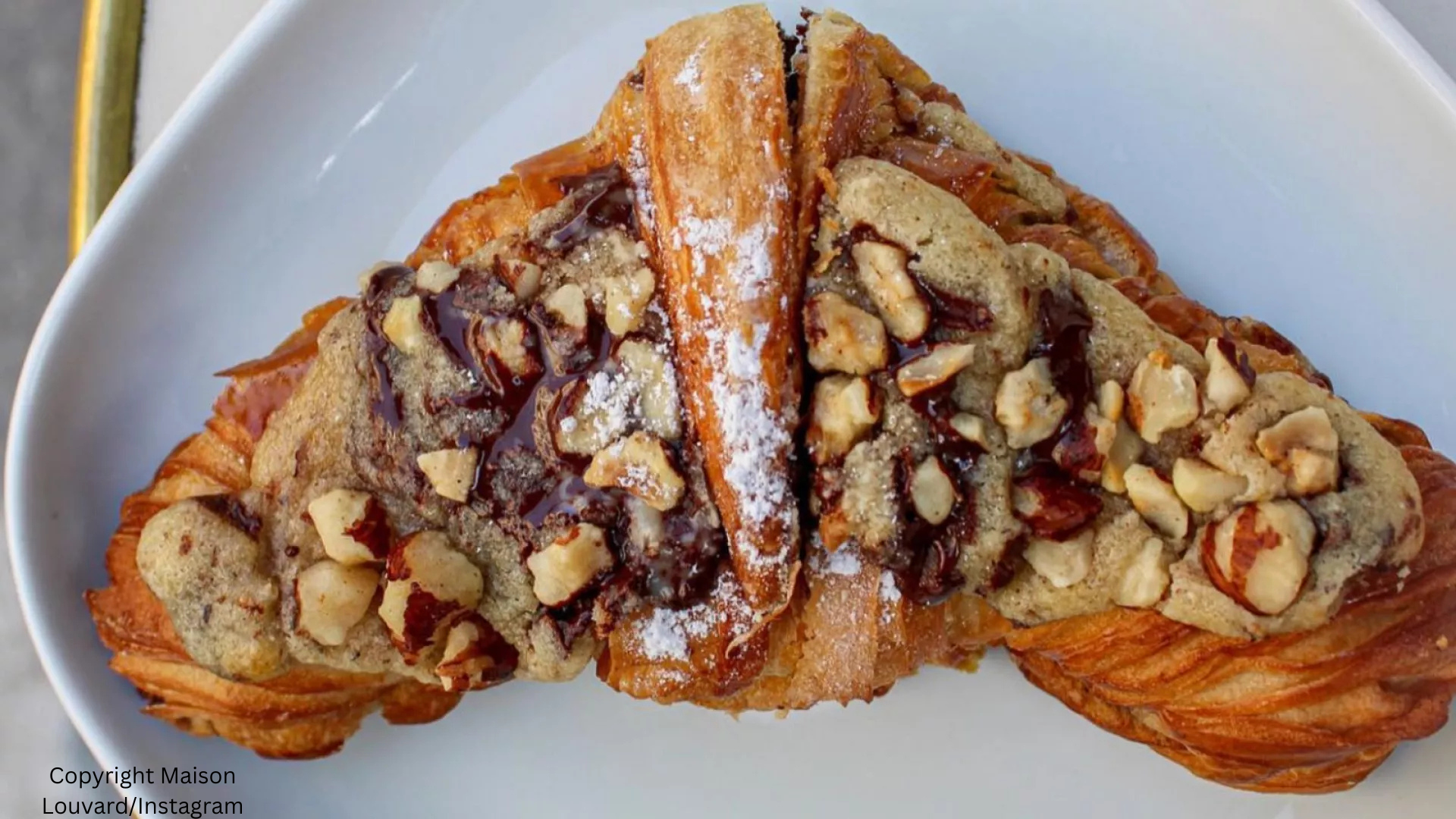
A versatile global gastronomic icon, an Austrian artillery officer, French craftsmanship and identity, Meryl Streep teaching Steve Martin to bake, pâte levée feuilletée. From Kipferl to Cronut, join us as we unravel the story behind the delicious entity called a croissant.
You may be surprised to learn that the croissant actually originated in Austria, not France, where it evolved into the cultural icon it is today.
You will also be surprised to know that it took many years for it to become the buttery, flaky modern version we know today.
The earliest mention of such a pastry is likely in a 13th-century Austrian poem about Viennese bakers presenting it to Duke Leopold VI as a Christmas gift. Kipferl or Kipfel was a crescent-shaped baked bread roll made from yeast wheat dough, made in Austria and perhaps other central European countries. Original recipes call for dry yeast, water, whole milk, bread flour, salt, and eggs. No butter.
It is said that after the siege of Vienna by the Ottoman Turks in 1683 and the Austrian victory, Viennese bakers in mock created a crescent-shaped pastry. The crescent was an emblem on the Ottoman flag.
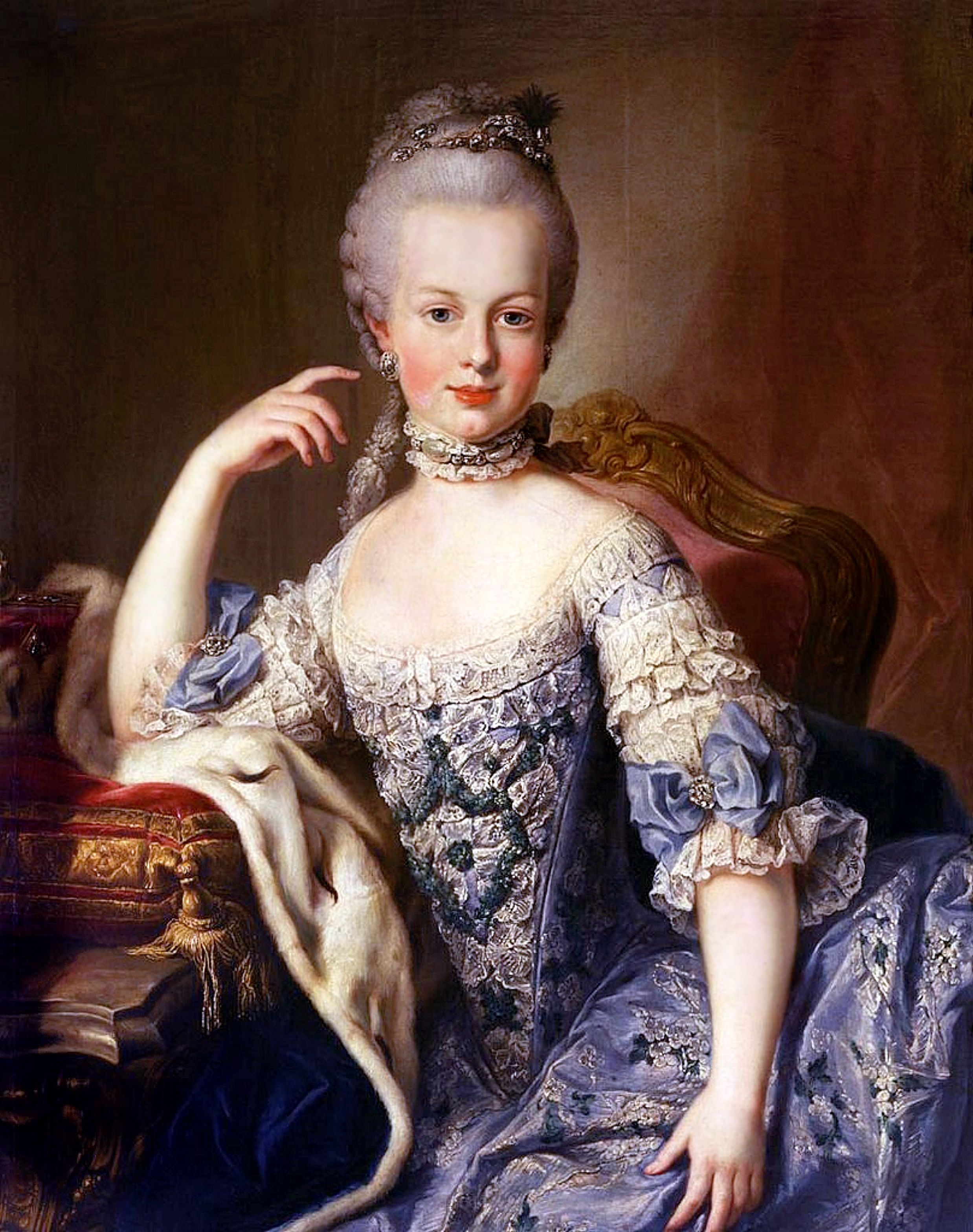
So, how did it get from Austria to France? When Mary Antoinette married Louis the 16th and moved to France, she brought with her a baker from Austria.
It is said that the home-sick queen’s baker is responsible for the introduction of Kipferl to French society.
These two crowd-pleasing tales have been told by many through the years, but have proven to be historically inaccurate. It was actually 50 years after Mary Antoinette’s death that the Kipferl arrived in Paris.
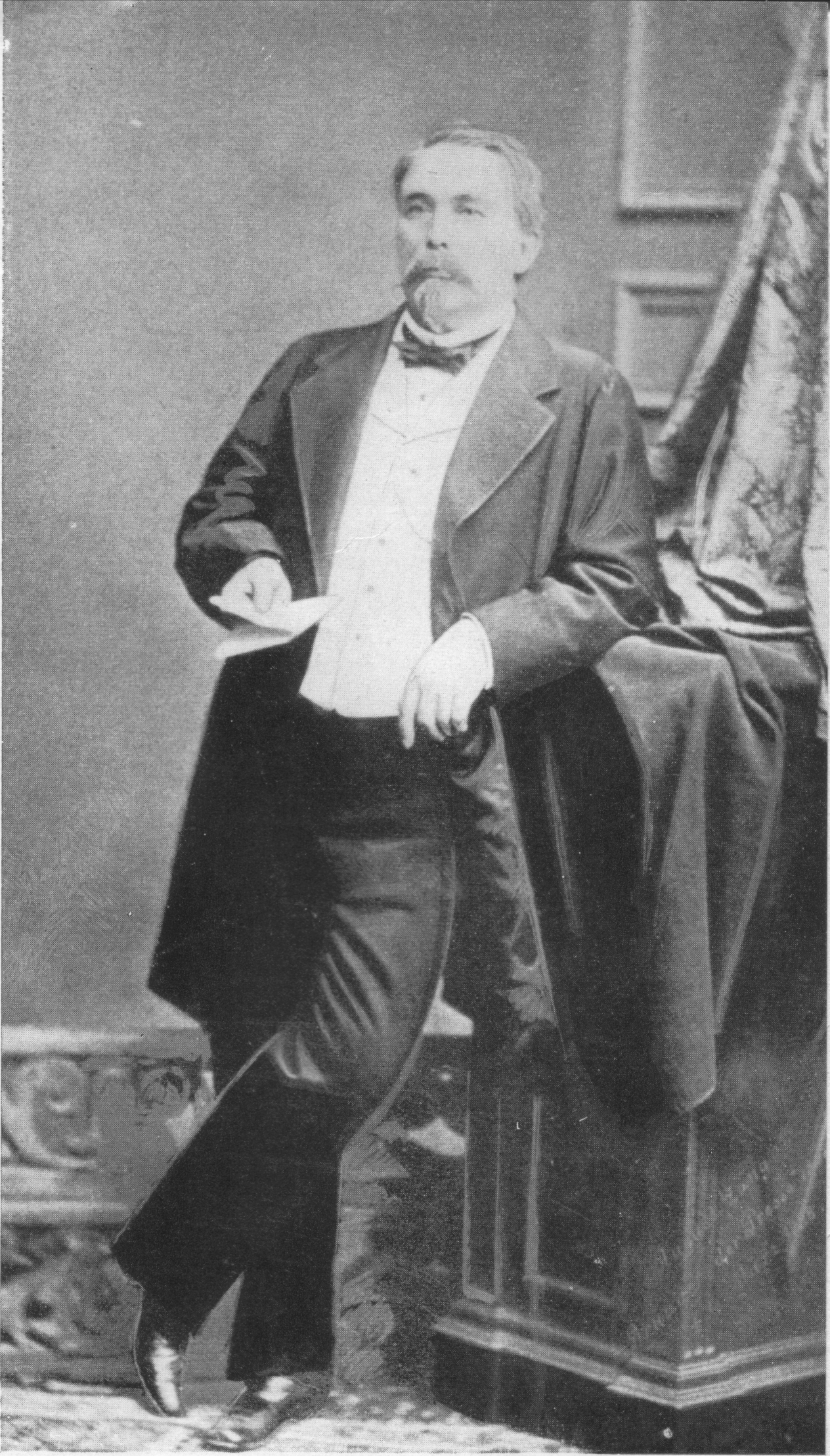
The actual story does not involve a glamorous queen rather an Austrian artillery officer named August Zang, unhappy with the state of the bread scene in 19th-century Paris. At this time, bread in Austria and England was made by ale yeast, resulting in better, softer, lighter bread than in France, which was made with sourdough, making it denser and more chewy. Around the year 1838-1839, Zang and fellow officer Ernst Schwarzer opened Boulangerie Viennoise on Rue de Richelieu, bringing their ingenuity and Austrian bread recipes. It did not take long for the Kipferl to become a big hit and to become ingrained in the fabric of French society. Zang eventually sold his business and moved back to Austria. He is known for being an entrepreneur who owned a bank and a mine and created the Austrian newspaper Die Presse, which is still published in Vienna today. His Kipferl, though, took a grip on the French and evolved into the word and cultural icon croissant. Charles Dickens praised that “dainty croissant on the boudoir table.”
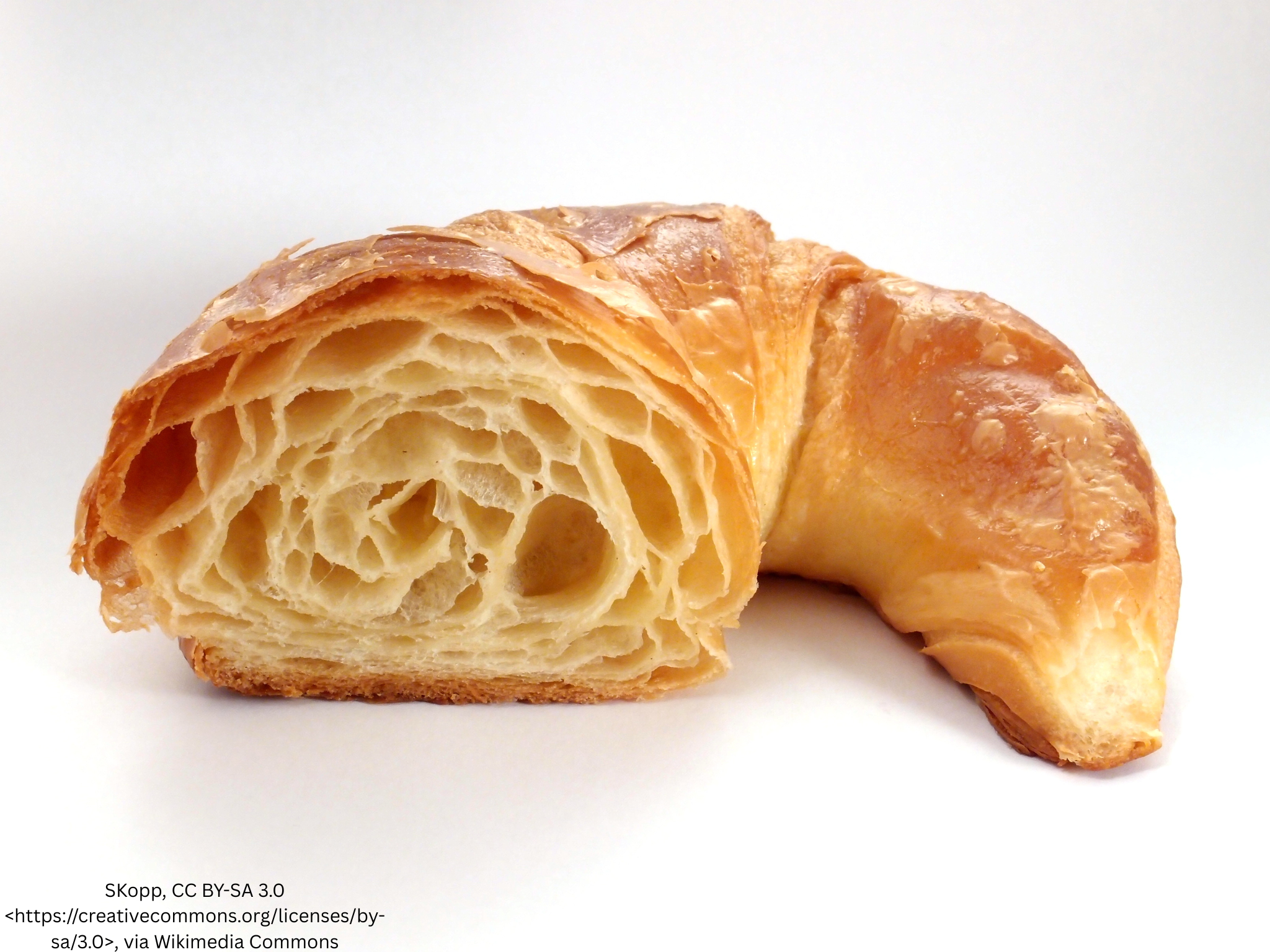
So, how and when did the croissant begin to move from its denser, more brioche-like character to the modern buttery, flaky goodness we know and love today? The croissant we are familiar with is made with laminated yeast dough (pâte levée feuilletée). You layer thin sheets of butter into the dough, folding it, then unrolling many times, alternating layers of butter and dough. Baked water in dough turns to steam and layers separate, creating a light and airy texture with a honeycomb structure inside. One of the earliest mentions of this in relation to croissants is in a 1915 recipe by French chef Sylvain Claudius Goy in the book ‘La Cuisine Anglo-Americaine’. Ever since then, the versatile croissant has continued to evolve and not only weaved itself into the fabric of French identity (enjoying the distinction of an official French product since 1920) but has become a global icon seen all over the world.
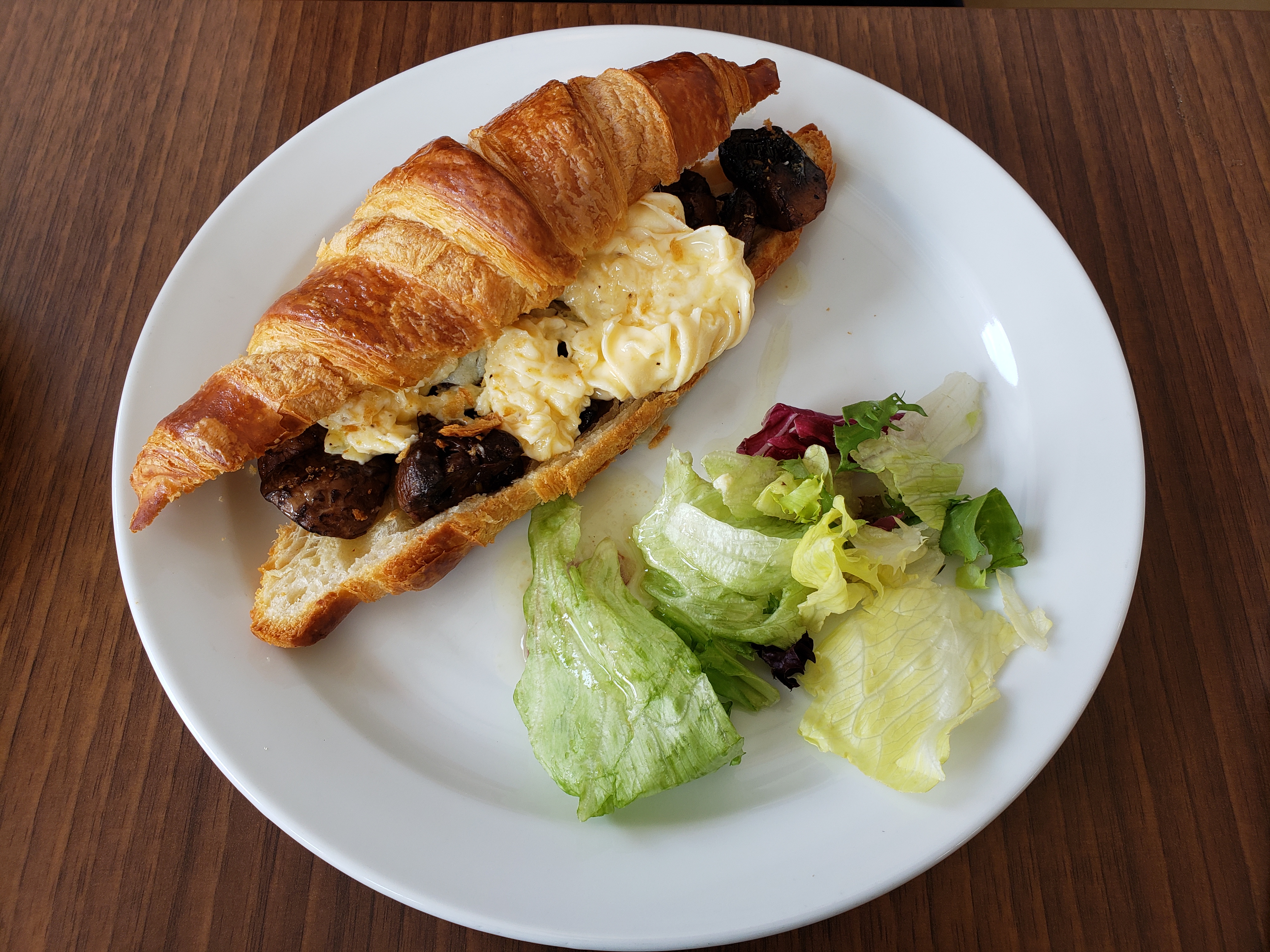
Let us look at some of these varieties. In the USA, Croissants are often used as a base for sandwiches or served alongside coffee. Frozen croissant dough, originally made available by Sara Lee in 1981, made it much widely accessible and mass-producible. It is used for both sweet and savory applications. Spain has its cream-filled version called xuixo. Italy has the Cornetto. These are often softer than the French croissant and commonly filled with custard, apricot jam, or chocolate cream, and often covered with powdered sugar or other toppings.
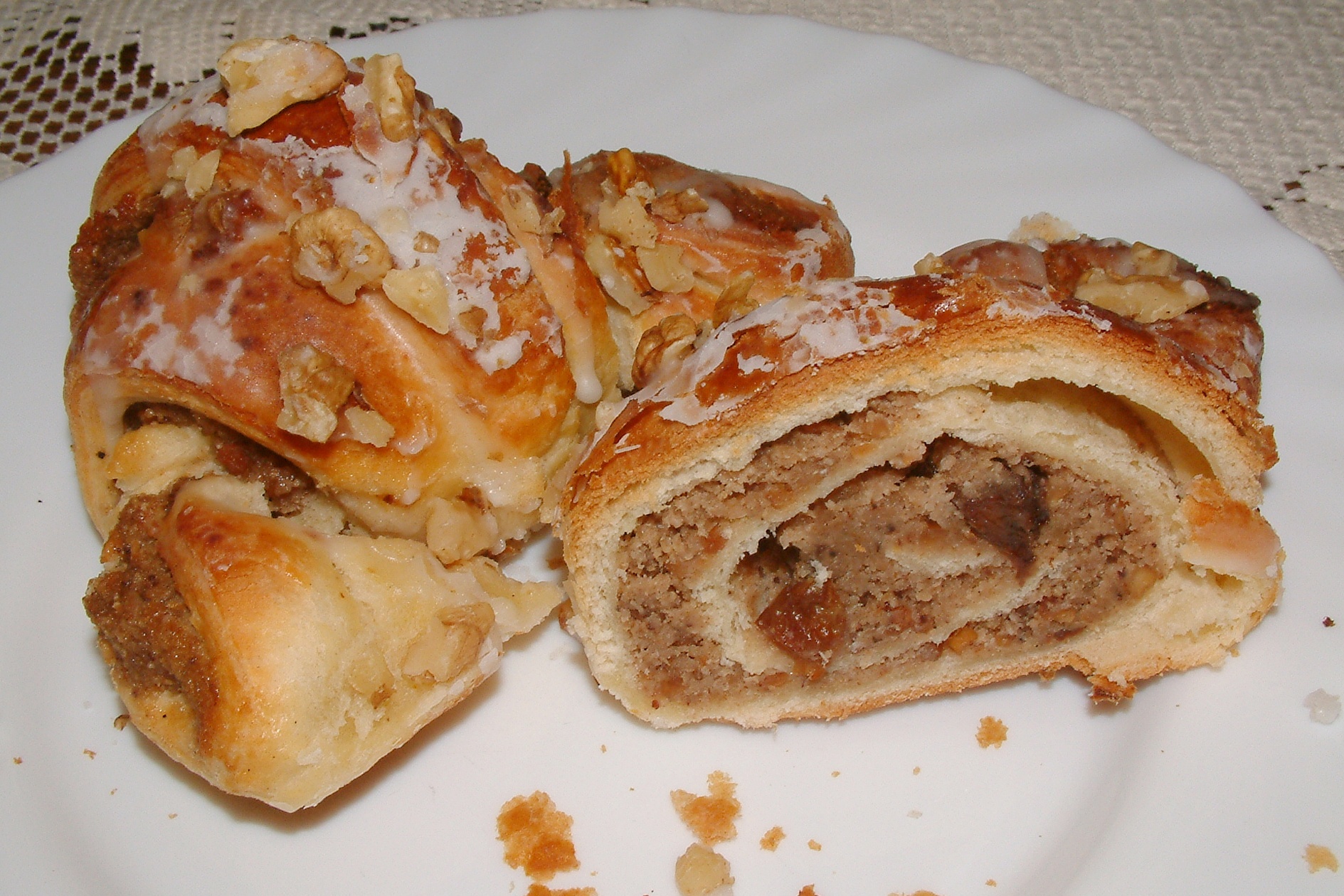
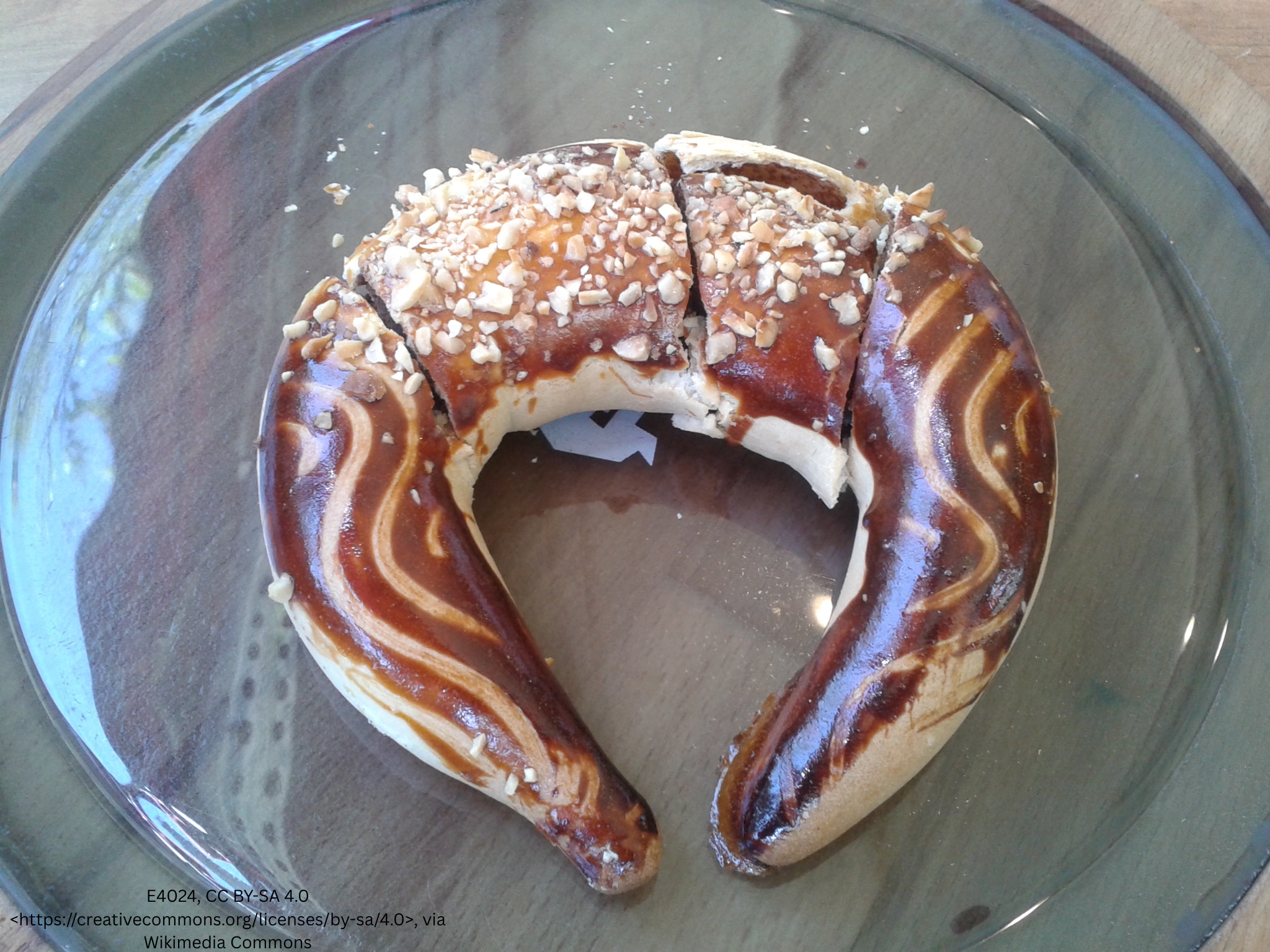
Poland has the rogale świętomarcińskie ("St. Martin’s croissants"), a protected regional specialty made specially for St. Martin’s Day (November 11th). These are sweet, crescent-shaped pastries made from puff pastry filled with ground white poppy seeds, almonds, raisins, and nuts. The Polish city of Poznan even has its own croissant museum. In Germany, croissants are sometimes filled with Nutella or persipan(which is similar to marzipan but, instead of almonds, is made with apricot or peach kernels). In the German-speaking part of Switzerland, the croissant is typically called a Gipfeli, which usually has a crisper crust and is less buttery than the French-style croissant. In Argentina and Uruguay, Croissants are commonly called medialunas ("half moons") due to their shape and are typically coated with a sweet glaze. In Japan, South Korea, and China, they incorporate local flavors like matcha, red bean paste, and sesame. In Turkey, we have the ay çöreği, filled with cinnamon, walnut, hazelnut, cacao, and raisin, and a rectangular variant İzmir çöreği.
And so on… The reach, appeal, and versatility of the croissant in all corners of the world make it a truly fascinating culinary ambassador. It also continues to evolve to meet changing modern tastes and dietary needs (for example gluten-free and vegan versions).
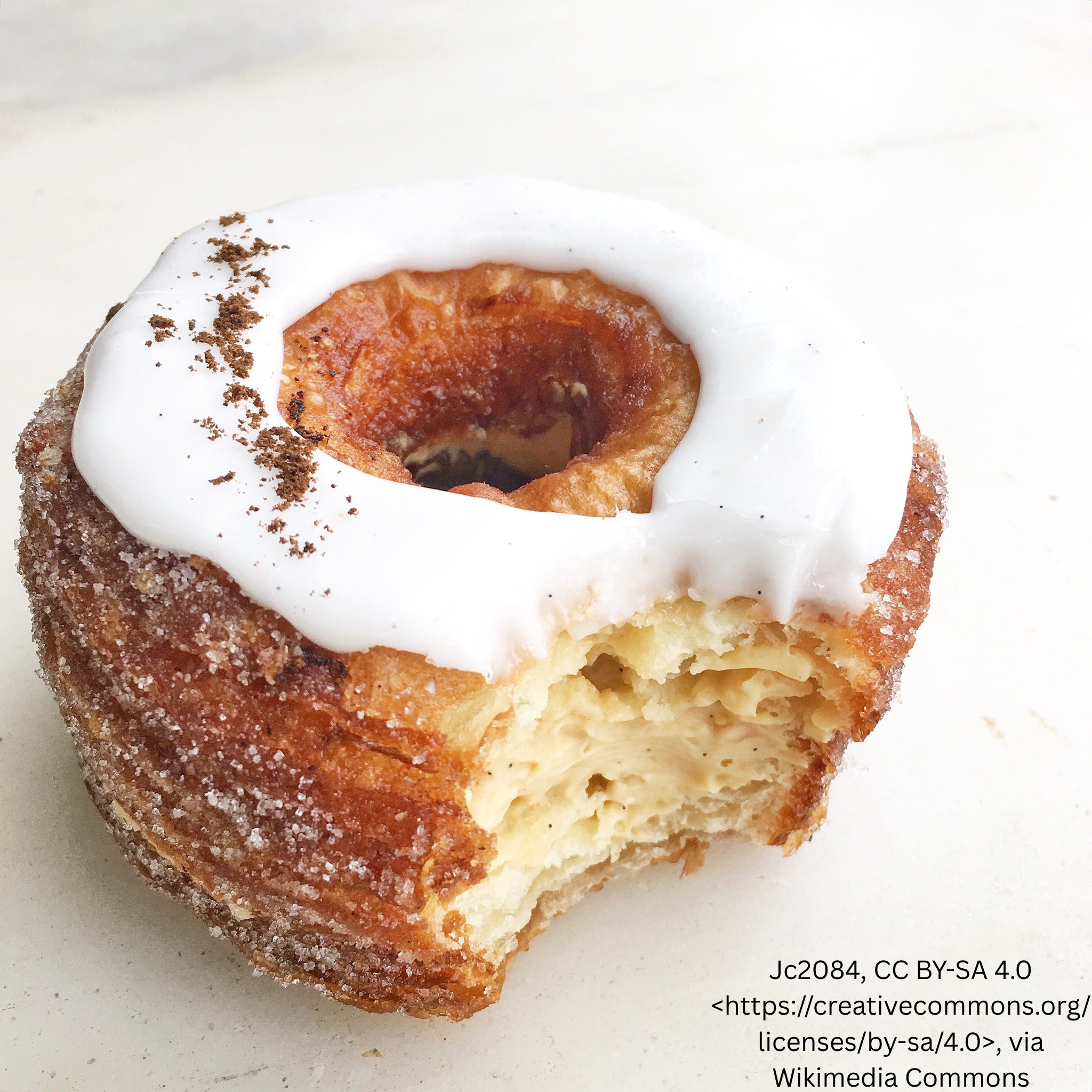
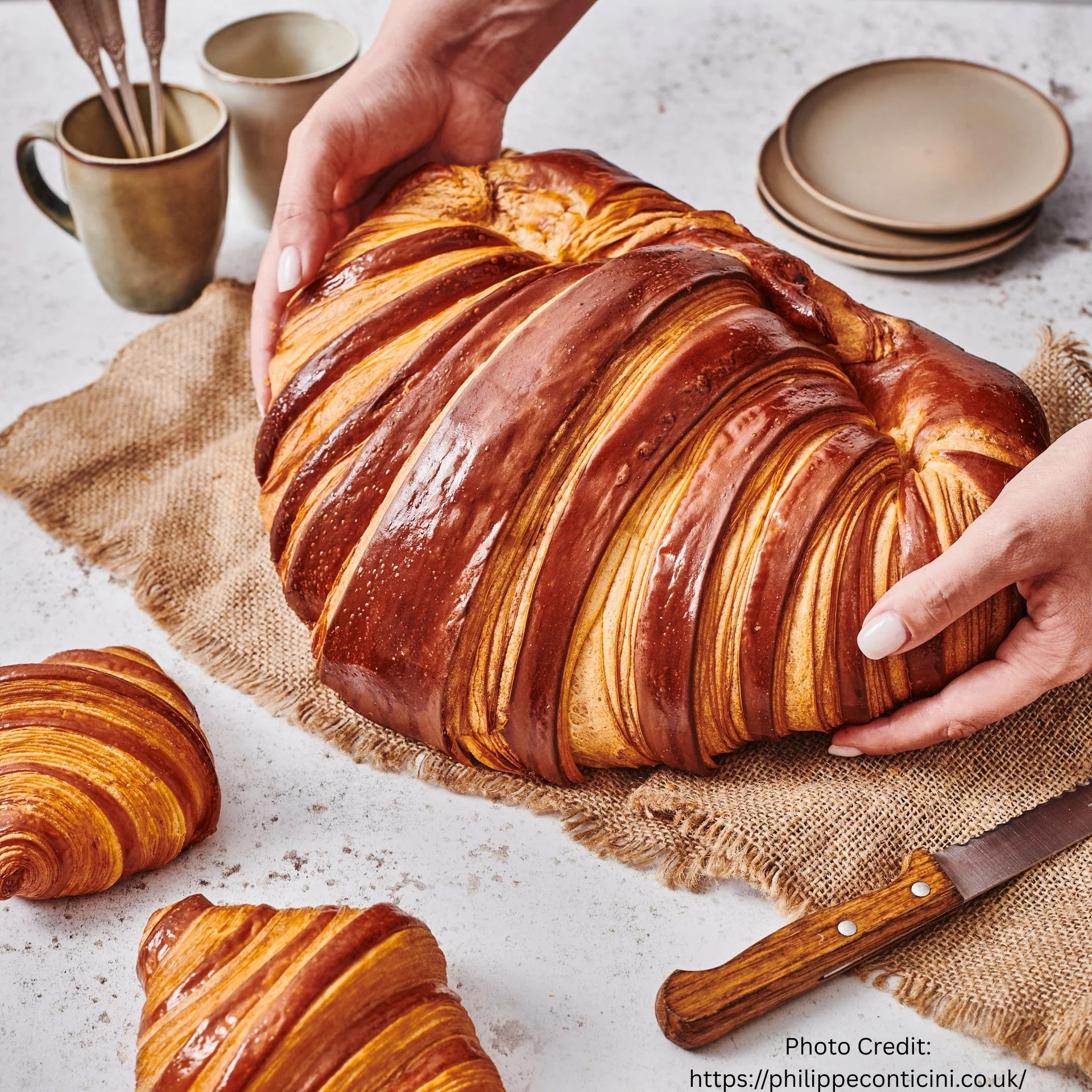
The worldwide croissant fascination and its adaptable nature have led to many interesting modern creations, perhaps the most famous of which is the croissant and doughnut fusion cronut created by Dominique Ansel. We have crookie (combo with cookie), cruffin (with muffin), croffle (with waffle), cragel (with bagel), and so on. We also have large varieties, such as Philippe Conticini’s 18-inch, 3-pound XXL croissants in London.
Eating and experiencing a croissant can be deeply sensual in nature. The contrast between its flaky, crispy exterior and its soft, buttery interior, the fragrance, and rich flavor. The 2009 movie, It’s Complicated, features a scene where the character played by Meryl Streep is teaching Steve Martin’s character how to bake warm chocolate croissants. A great example of the allure and romance behind croissants.
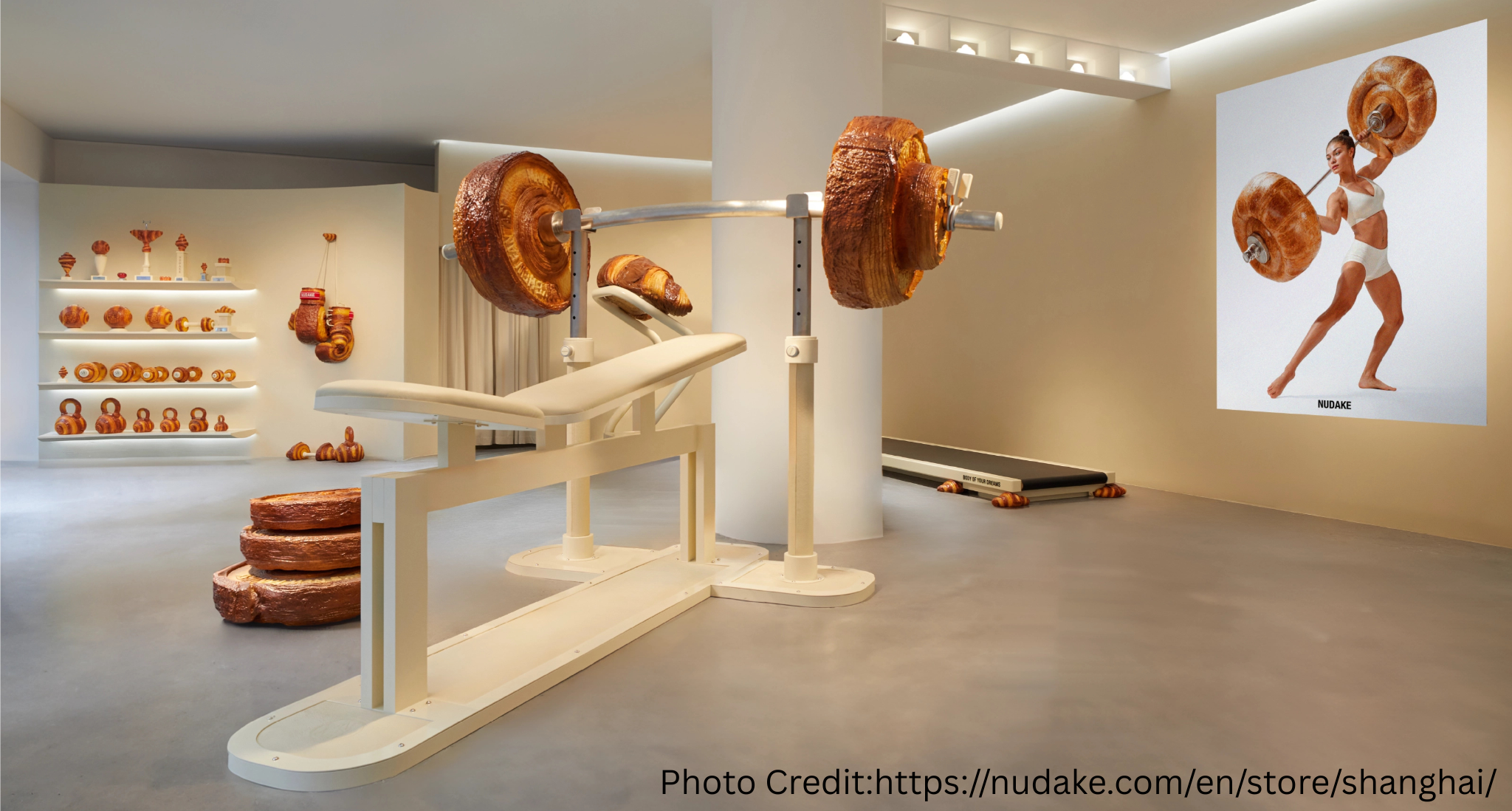
There appears to be no end to the versatility of this pastry; it is even being used by artists to make sculptures and art installations. For example, look at NUDAKE Haus Nowhere in Shanghai. It is an art cafe made in the shape of a gym with croissants integrated into weights, boxing gloves, and exercise machines!!
This universally recognizable crescent pastry’s significance is multifaceted. Intriguing origin story, deep cultural ties, versatility to adapt to all cultures and different needs, culinary innovation and technique, economic force, and sensual feelings. So head over to your favorite local cafe and enjoy one as you ponder its story and taste its delicate contours.
Always be curious, seek out the blurred lines, and be illuminated.