Starching religious habits, secret recipes, Portuguese national identity, wedding blessings, Emma Stone, and a delicious egg custard tart are our pieces today. Let us put together the puzzle.
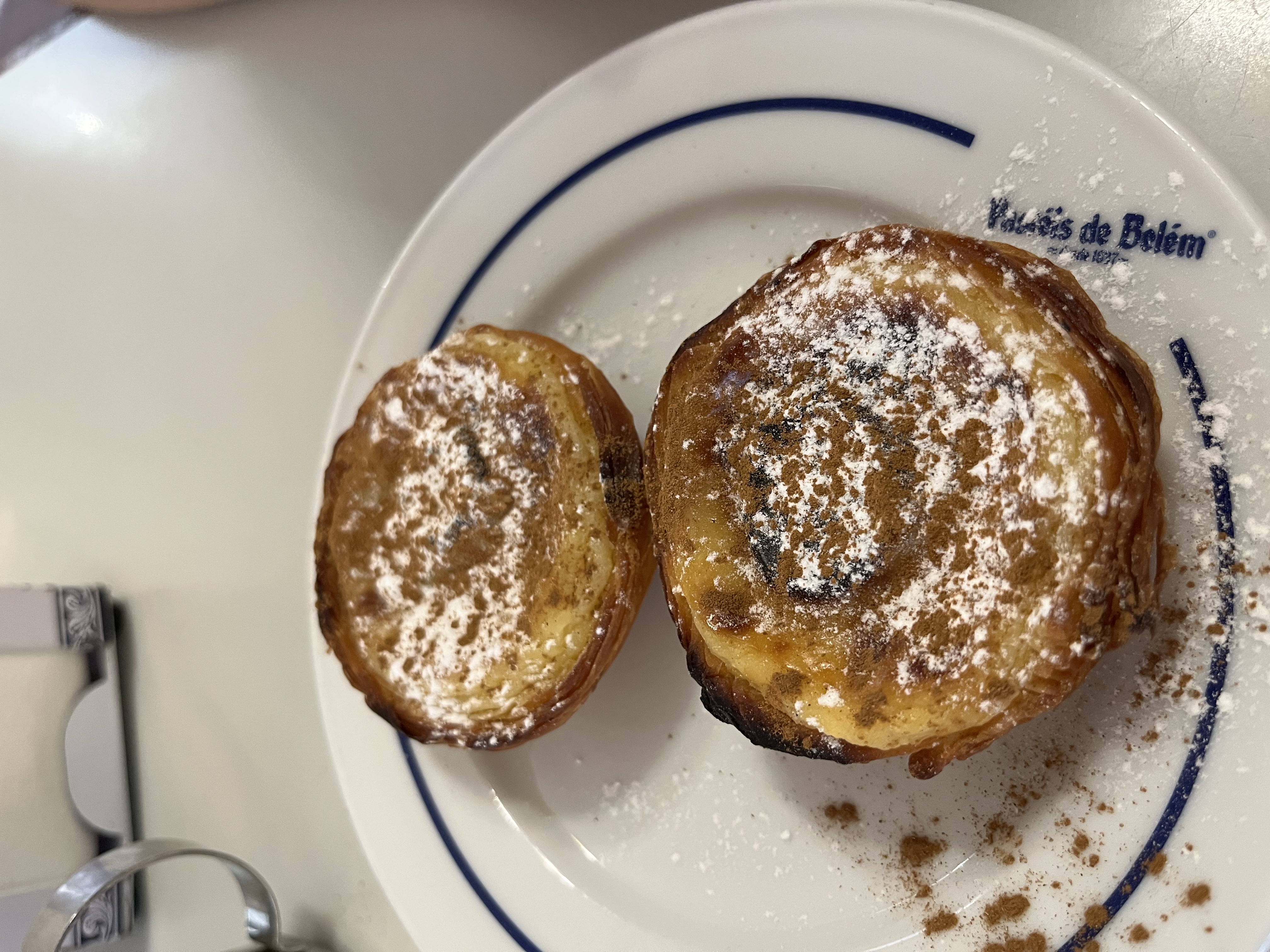
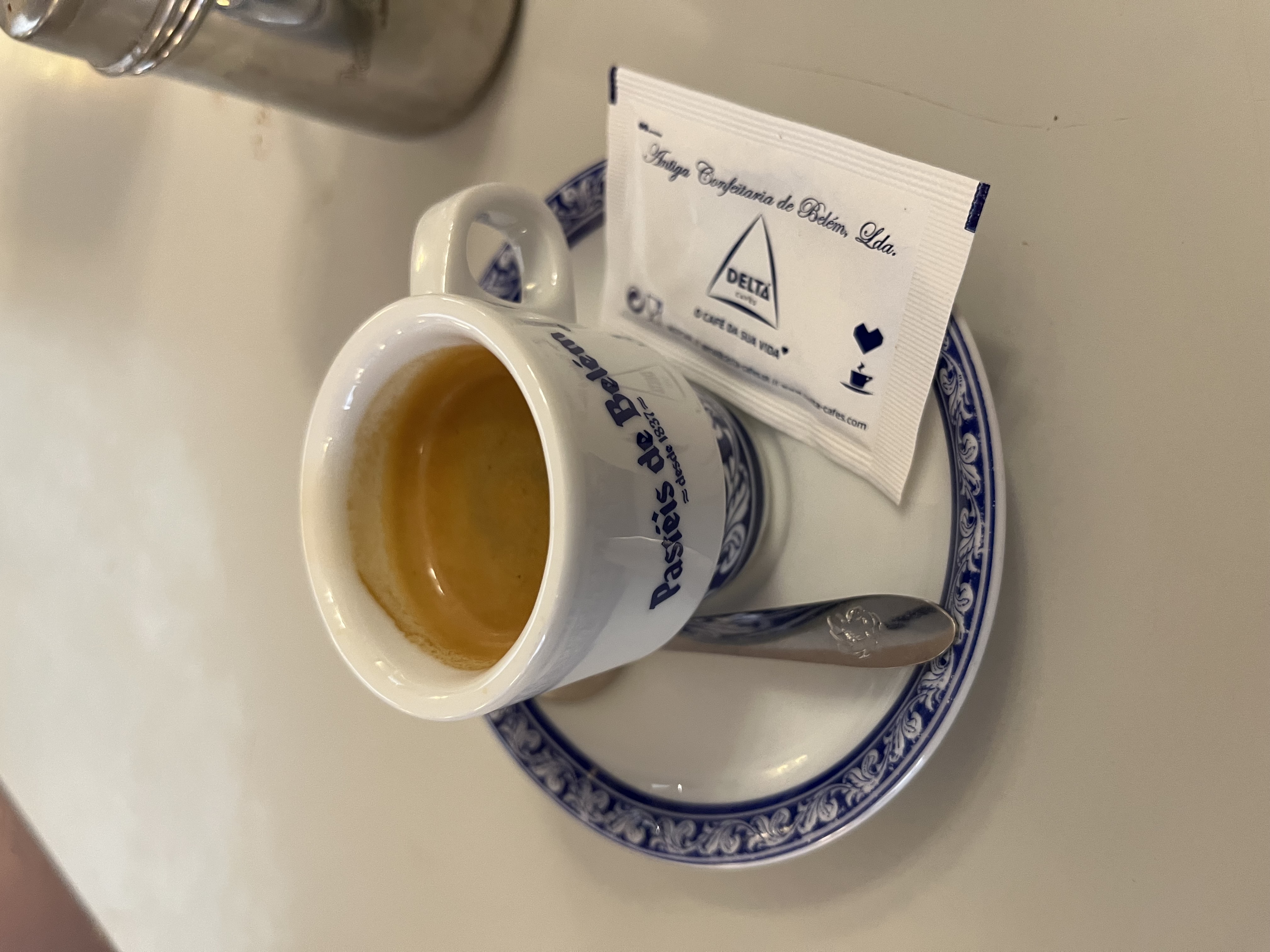
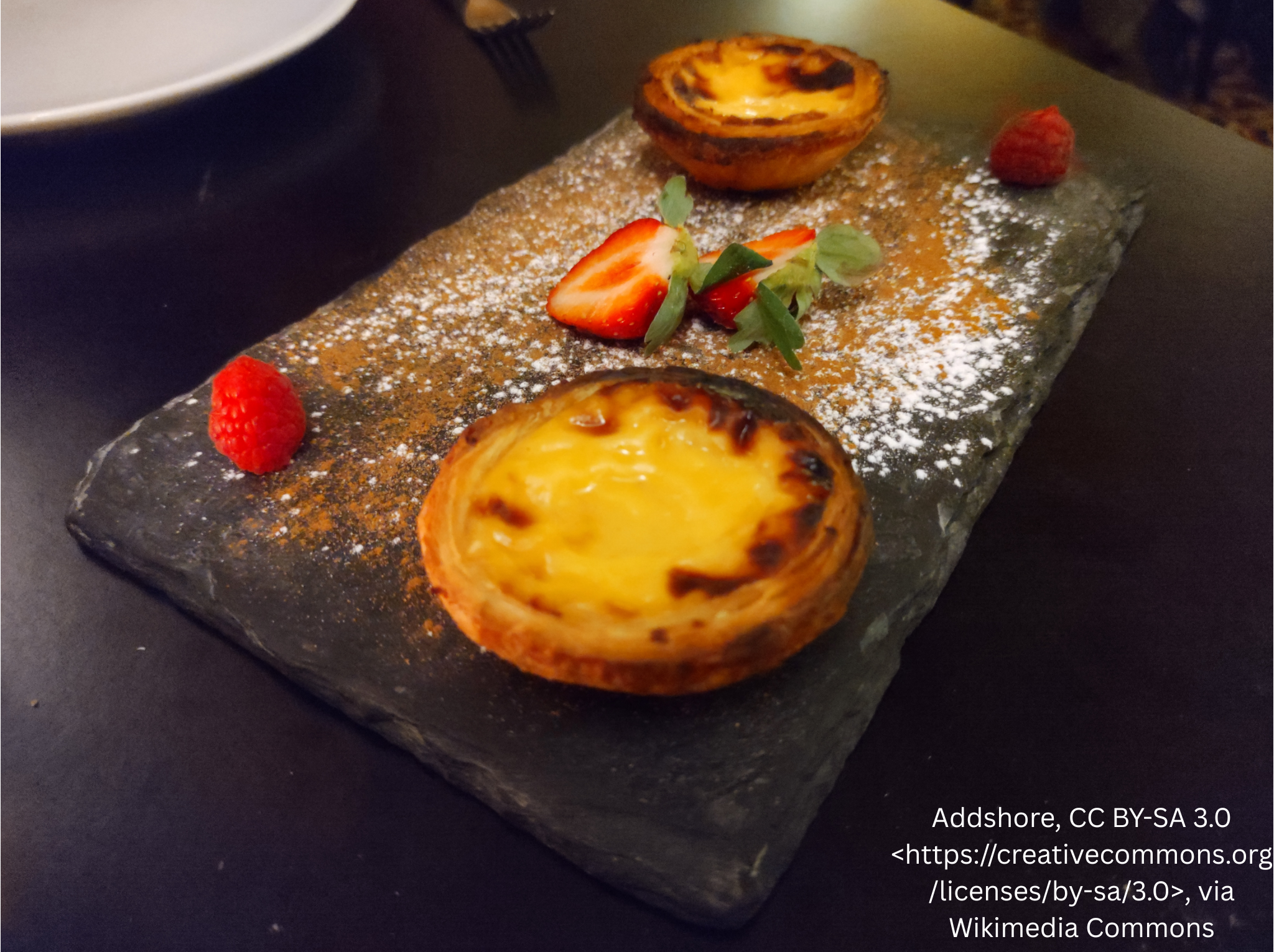
We are formulating the story of the Portuguese pastry called pastéis (or pastel) de nata. This is a small round pastry with a flaky, puffy crust and a rich, creamy custard filling that is typically baked at a high temperature, resulting in a slightly caramelized, golden-brown, sometimes blistered or scorched top. You get the textural contrast of a crispy layered pastry shell and the smooth, silky custard filling. It is typically made with egg yolk, sugar, milk (or cream), and often with a hint of vanilla and lemon zest. Traditionally, it is served warm, sprinkled with cinnamon and/or powdered sugar, often with a cup of strong espresso or bica on the side.
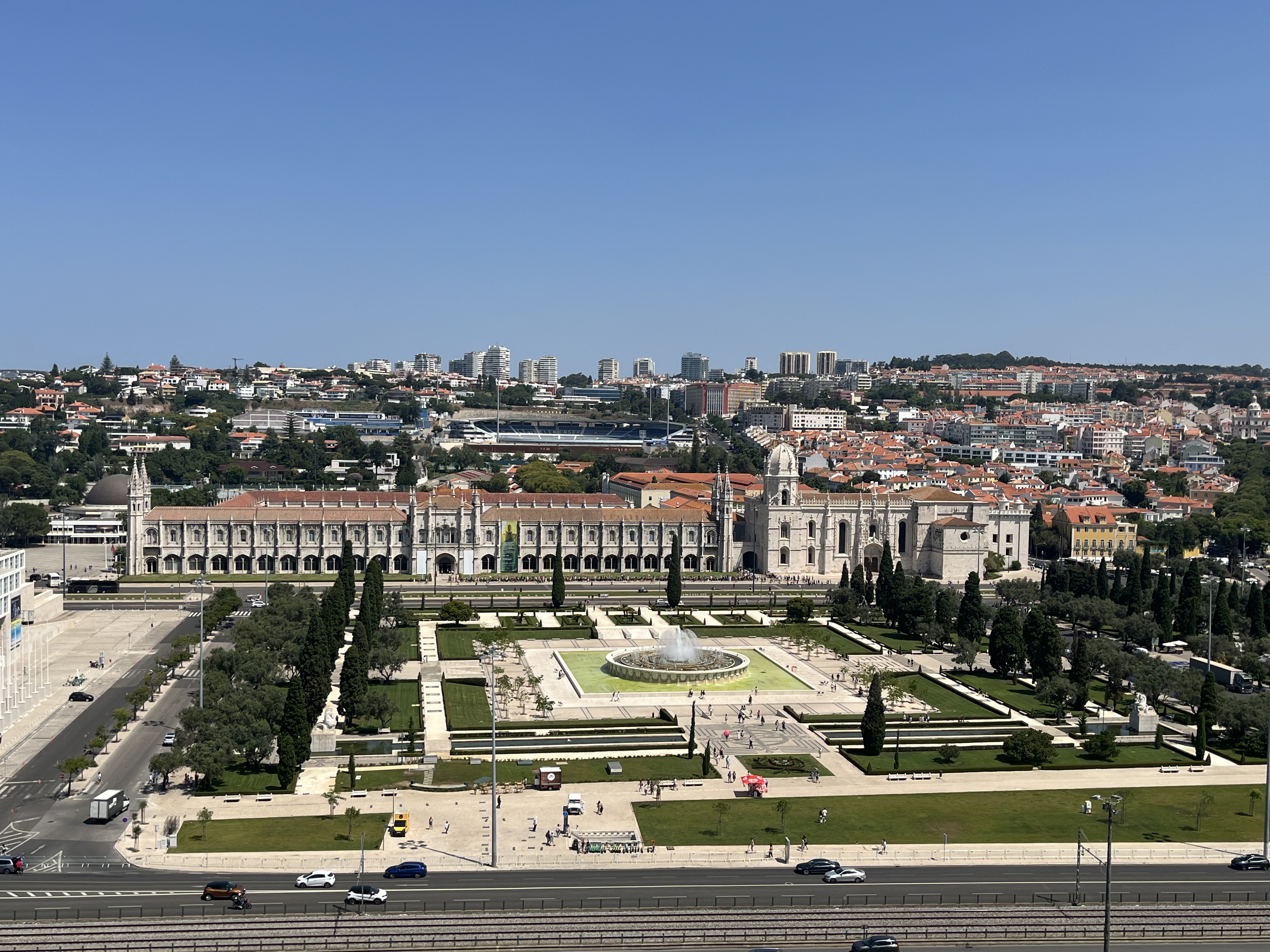
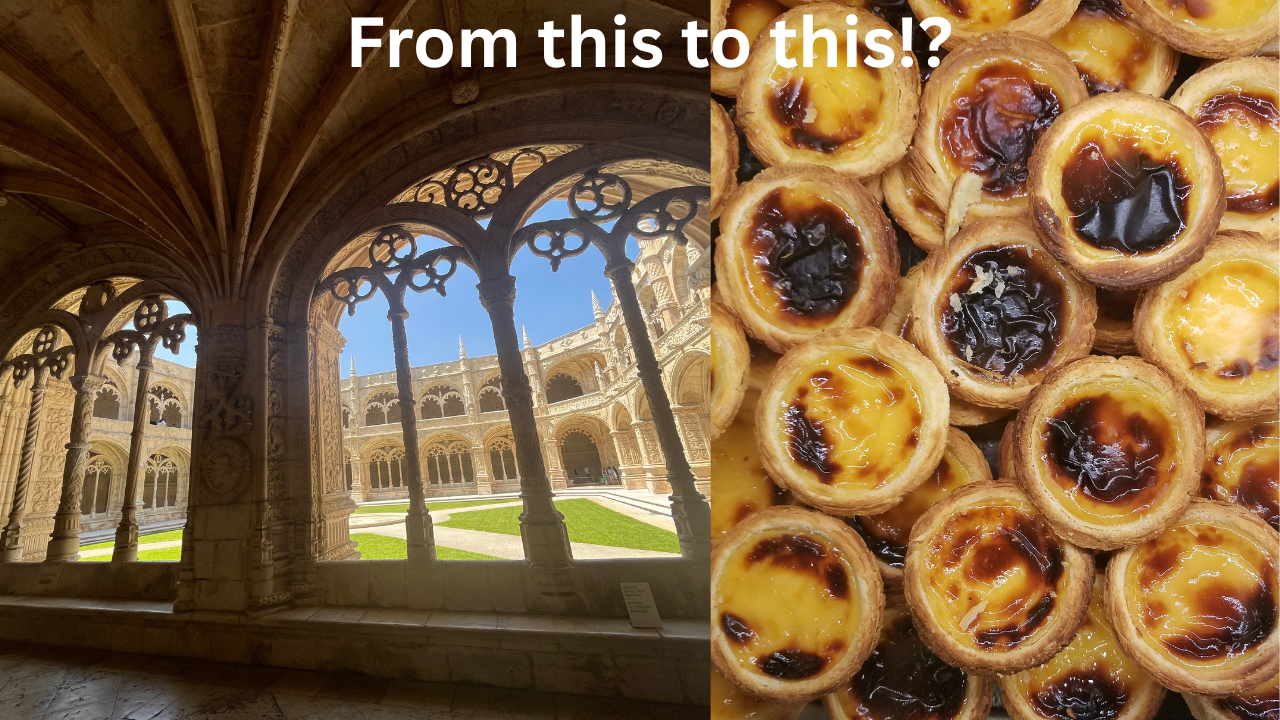
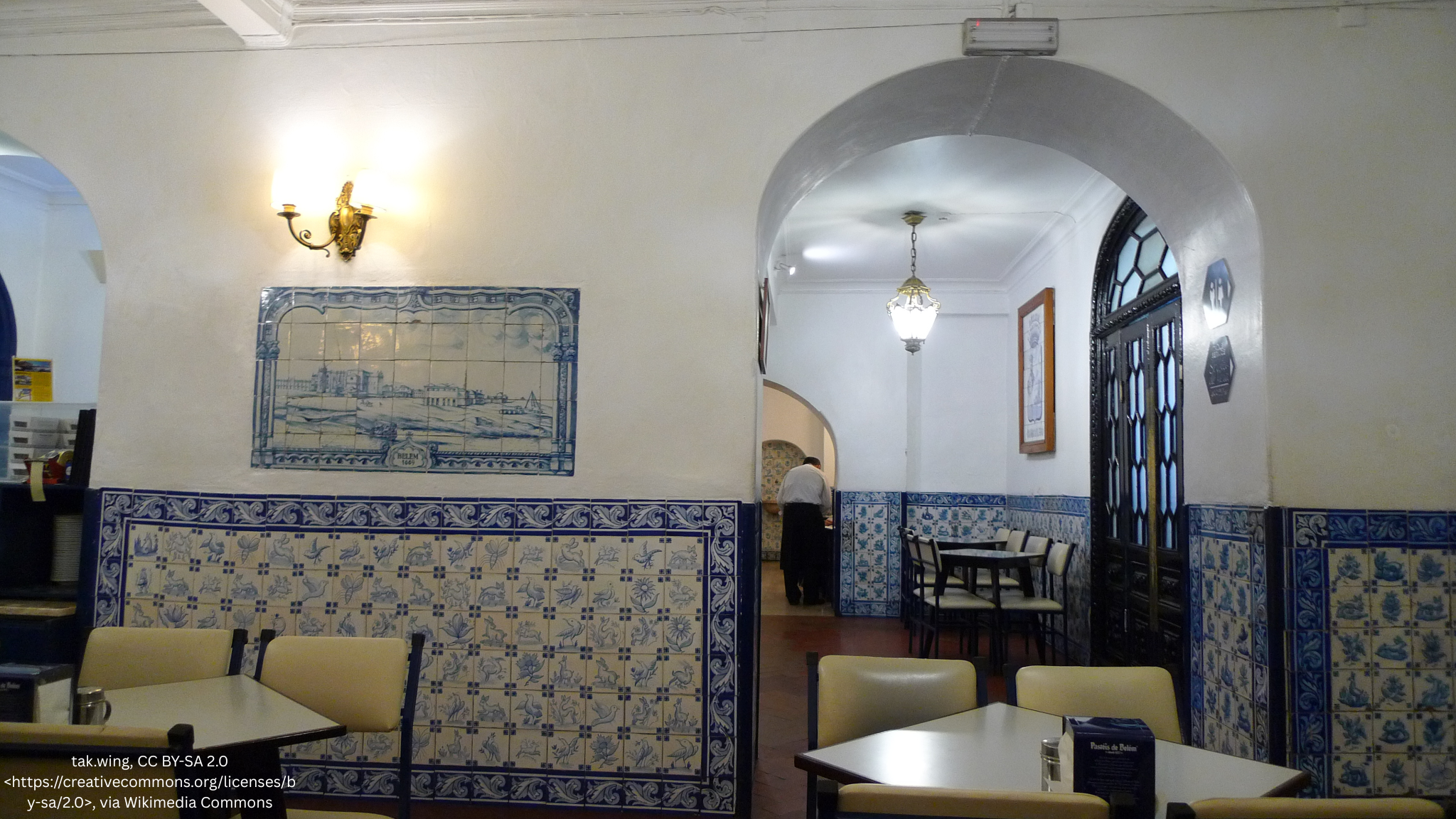
So why egg yolk? Let us travel back to the late 18th century and visit the monks and nuns of the Jeronimos monastery in Belem, an important parish west of Lisbon, Portugal. During those times, convents needed something to starch their religious clothing with, and egg whites provided a convenient solution. So, what to do with all the leftover egg yolks? Make various kinds of delicious pastries, of course! The best of these, originally made in the UNESCO World Heritage site of Jeronimos monastery, was pastéis de Belem. The Portugal liberal revolution of 1820 resulted in the closure of monasteries and religious institutions, including Jeronimos in 1834. Financial hardship forced them to sell their super secret recipe for pastéis de Belem to a sugar refinery across the street from them, owned by a Brazilian, Domingos Raphael Alves.
In 1837, Fabrica de Pastéis de Belem opened and continues to be run by the same family today using the very same secret recipe. Only a few trusted master chefs know it and work in a separate room from the others. This is the only place in the world that is authorized to sell the original Pastéis de Belem. Many enchanted locals and tourists flock here every day to experience the magic. On average, they make around 20,000 of them daily. Each undergoes meticulous quality control by a person removing under-cooked, burnt, and damaged products. Interestingly, they don’t wear gloves to get a better feel for the dough and texture. Pastéis de Belem is the origin of what spread throughout Portugal and later the world as Pastel de Nata.
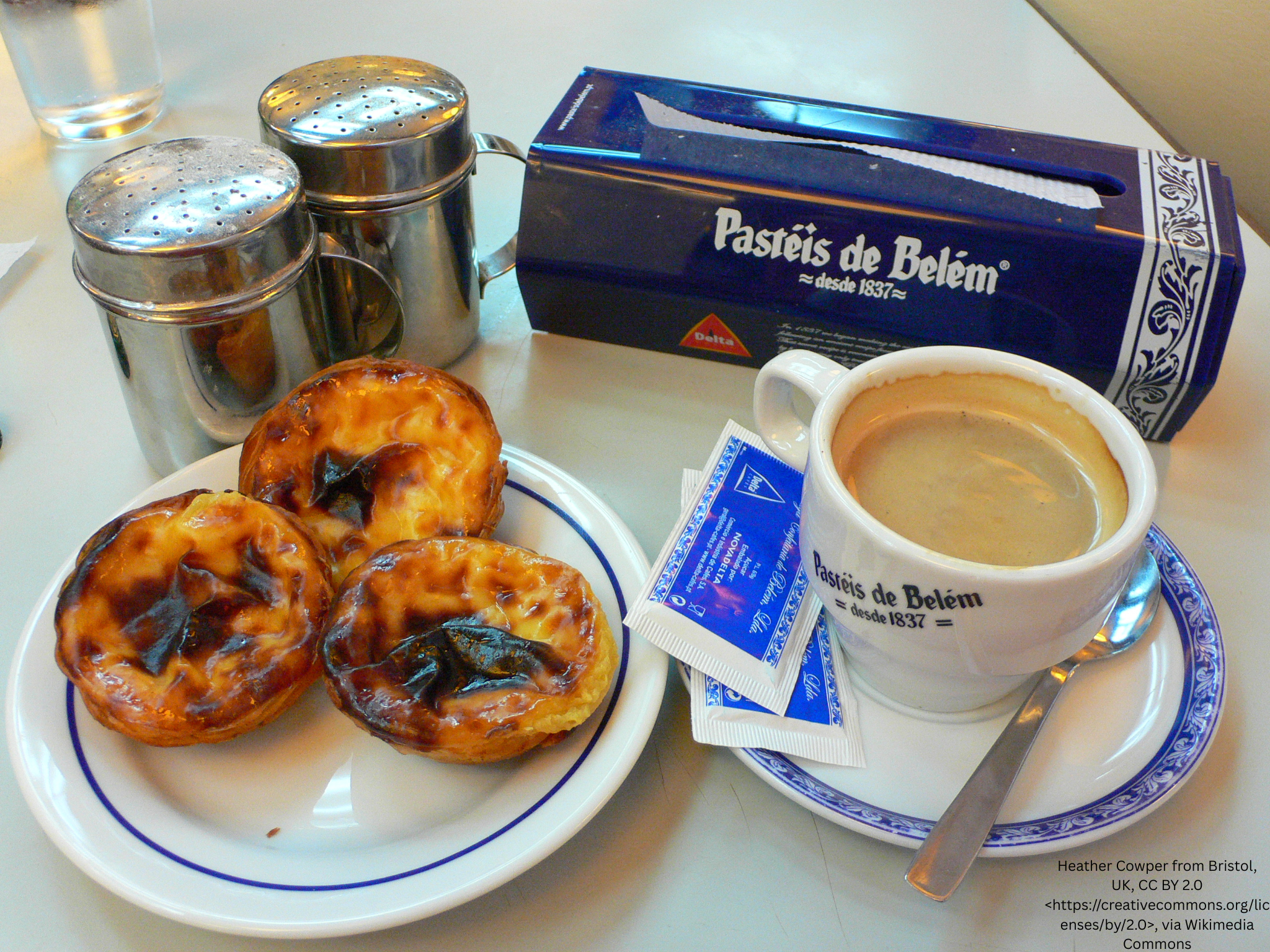
Throughout Portugal, there are many variations seen depending on the region and/or particular bakery making these. Variations can be seen in size and shape, amount of egg yolk or sugar, oven temperature or type, pastry base, and on and on.
Tarts in North Portugal tend to have a thicker, firmer pastry and a less sweet, more lemon-flavored custard, while those in South Portugal often have a softer, delicate, and sweeter custard with pronounced cinnamon.
Pastel de nata’s influence is not limited to Portugal itself. Thanks to Portugal’s colonial powers of the past, significance to European integration, bewitched tourists, and a few innovative companies, its reach is wide and far. An article published in 2019 by Bloomberg declared that pastel de nata was on its way to becoming as ubiquitous as the croissant. It is seen in former Portuguese colonies of Brazil, Angola, Mozambique, Macao, and Goa. It has also made its way to regular local chains and grocery stores in the UK, Netherlands, and others (such as Pret a Manger, Costa, and Lidl). There are traditional versions and local ones adapted to each region’s local sensibilities. For example, the Macanese egg tart is a sweeter version often made with evaporated milk or cream and sometimes lard. In Asia, it is even available at KFC chains and can be seen in China, Hong Kong, Taiwan, Thailand, Singapore, and on.. In places like Japan and Malaysia, the tart is often less sweet and may include cheese or other local flavors.
The versatility and adaptability of this delicious pastry have allowed it to evolve to meet today’s modern culinary techniques and dietary needs. Vegan and gluten-free versions are now available, using plant-based milk and egg substitutes or alternative flours for the pastry. Modern adaptations often include flavor infusions in the custard, such as chocolate, coffee, salted caramel, citrus, matcha, or fruit compotes. You have fruit or nut toppings, spice variations, savory versions, and so on.

Science and molecular gastronomy techniques are being used to reimagine it, as highlighted by a 2019 research paper in the International Journal of Gastronomy and Food Science. The "Pastel de Nata Bonbon" (PNB) developed in this study presents a significant innovation with a spherical shape, a crispy puff pastry coating, a traditional custard filling, and a cinnamon-flavored reverse spherification core.
From modern culinary innovation, let’s make a brief jump to the history of European integration and the EU(European Union), where we once again find our beloved pasty, pastel de nata. Jerónimos Monastery was the setting of the Lisbon treaty of 2007 a crucial event in the establishment of the European Union. Recently, this shared connection between the origins of pastel de nata and Europe resulted in it being chosen as the food symbol of Europe Day and a social media campaign under the #pastEus highlighting this cultural tie.
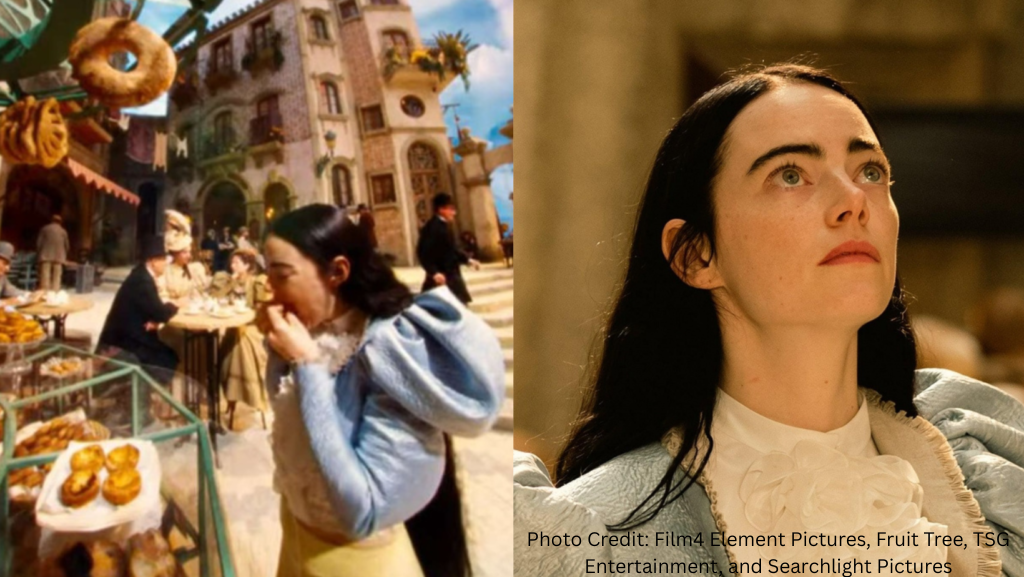
The reach of pastel de nata is also evident in pop culture. It has made its way into K-dramas and Hollywood screens.
An example is the recent movie, Poor Things, directed by Yorgos Lanthimos. In one part of the movie set in Lisbon, Emma Stone’s childlike character discovers the world of pleasure by eating an enormous quantity of pastel de nata. It is said that Emma Stone had to eat about 60 of these to just shoot that scene.

Religion, history, worldwide reach, culinary innovation, European integration, and pop culture are all parts of this fascinating puzzle. But at the heart and core, we should view pastel de nata as a Portuguese national symbol ingrained in the fabric of their society. There is a Portuguese saying that states: “A bride who eats a pastry will never take off her ring.” It is a symbol of enduring love and celebration of new beginnings as newlyweds gather to eat it, bringing good luck and prosperity to their union.
So let us gather together as the Portuguese like to do, make connections, eat our delicious pastéis de nata, drink our bica, and celebrate the richness of Portuguese culture. Bom apetite!
Always be curious, seek out the blurred lines, and be illuminated.