“Gold in butter”, flour scarcity, Breton identity, dough “sweating”, The Great British Bake Off, Dominique Ansel, and the “fattiest pastry in all of Europe” are the ingredients of our story today. Let’s begin.
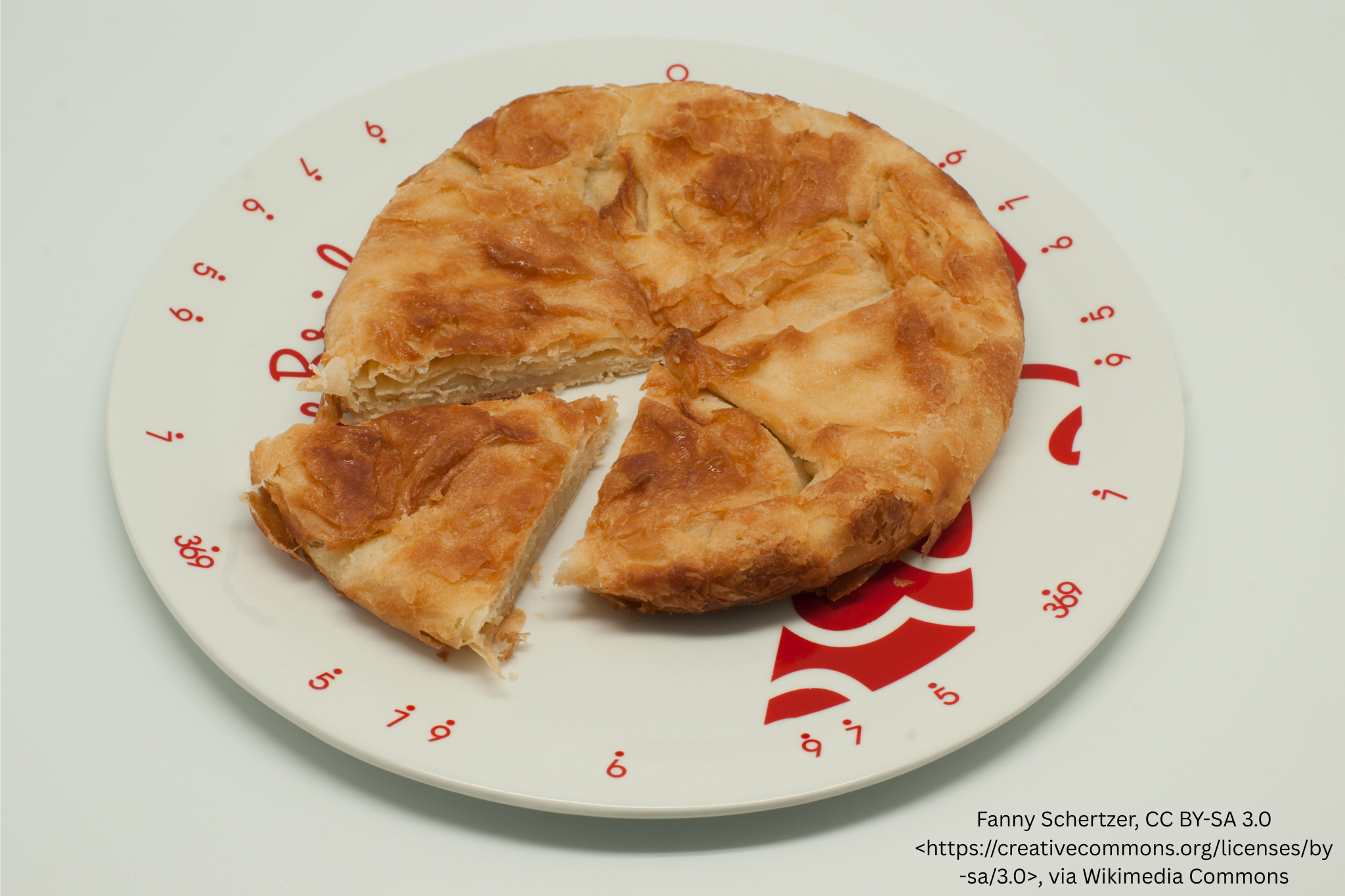
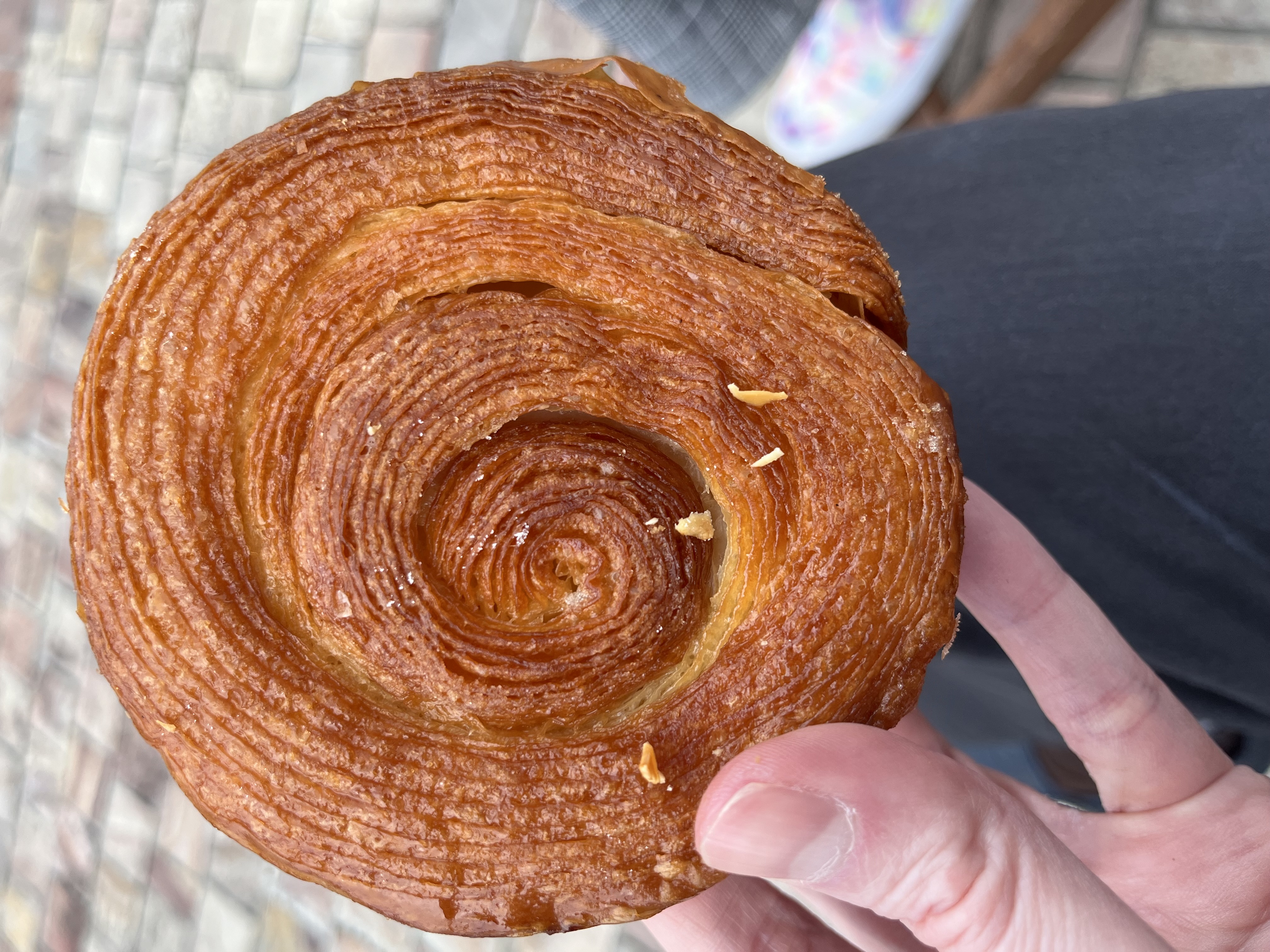
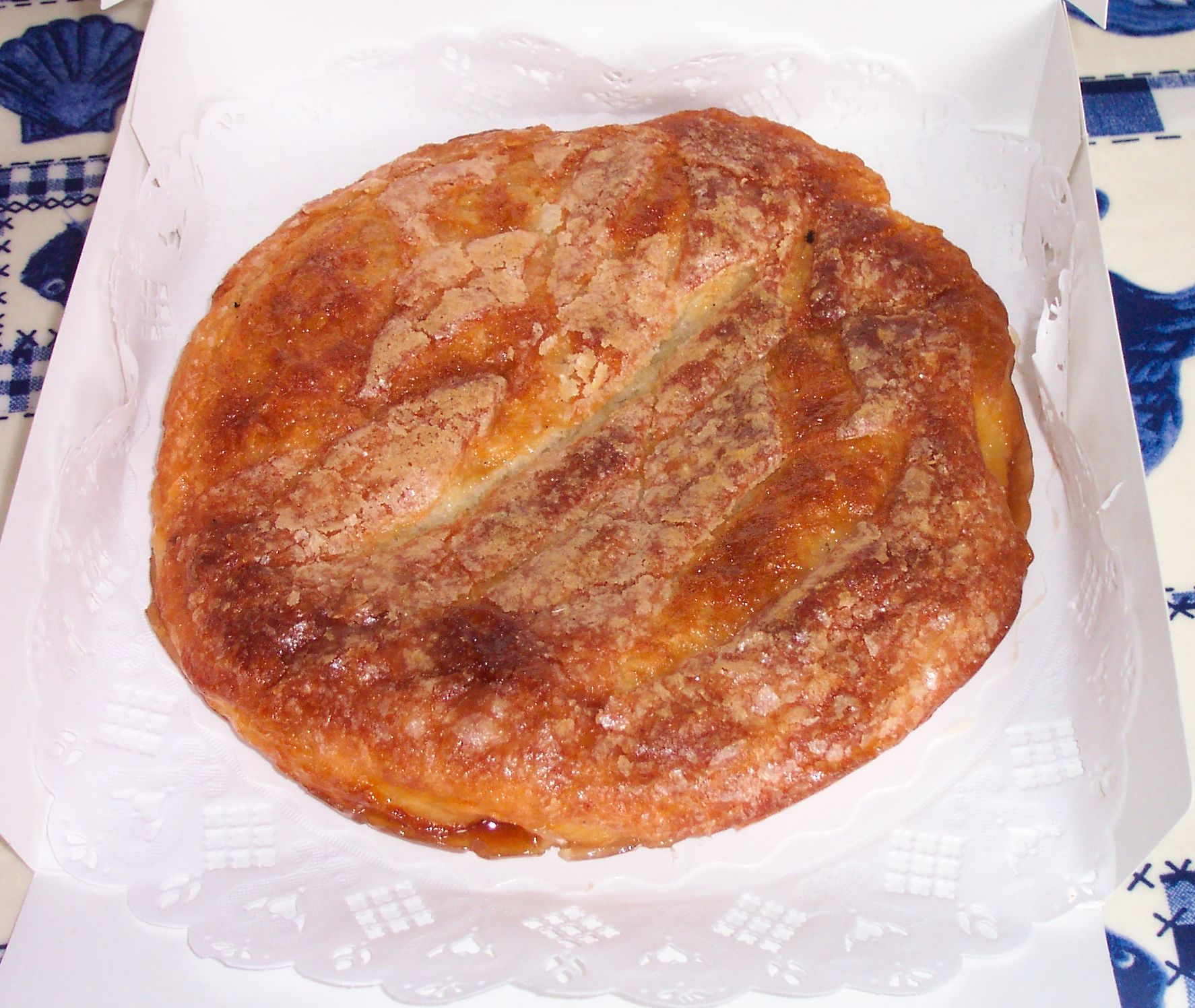
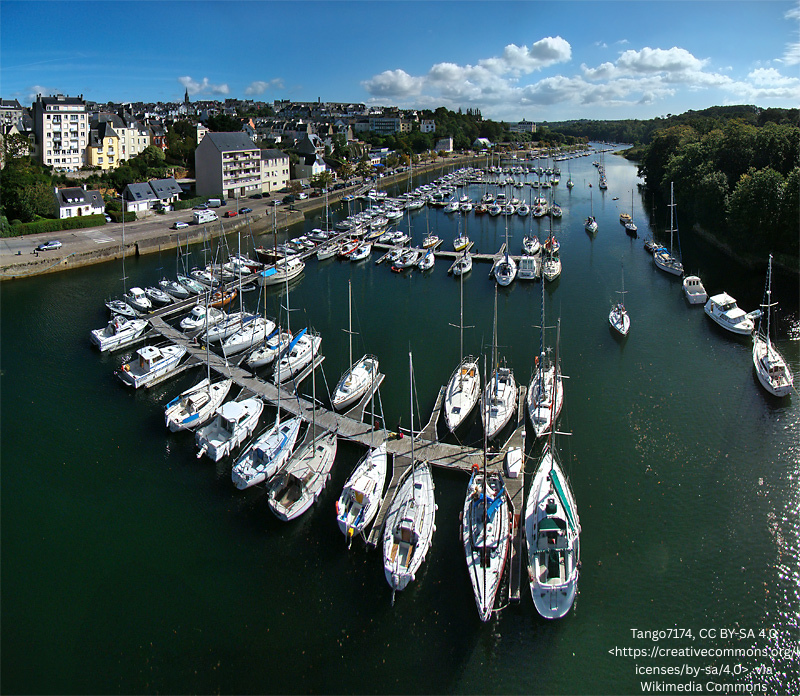
The protagonist of our story today is a pastry from Brittany, a region in the northwest of France. Brittany has a strong Celtic culture, and in their language, kouign means cake and amann means butter, so butter cake. Traditionally, kouign-amann is a large, round, laminated pastry shaped more like a cake. It is related to a croissant but sweeter and denser. The baking process involves folding dough and layering in butter and sugar. During baking, the moisture between the buttery layers turns to steam, causing the pastry to puff up and separate, while the sugar caramelizes. This gives us a pastry with a crispy caramelized exterior and a soft, buttery interior. The traditional recipe calls for 40% bread dough, 30% butter, and 30% sugar. You could say the creation of kouign-amann was a happy accident born out of necessity. Let’s get on our time machine and travel back to the Finistere region of Brittany and the port town of Douarnenez in the year 1860.
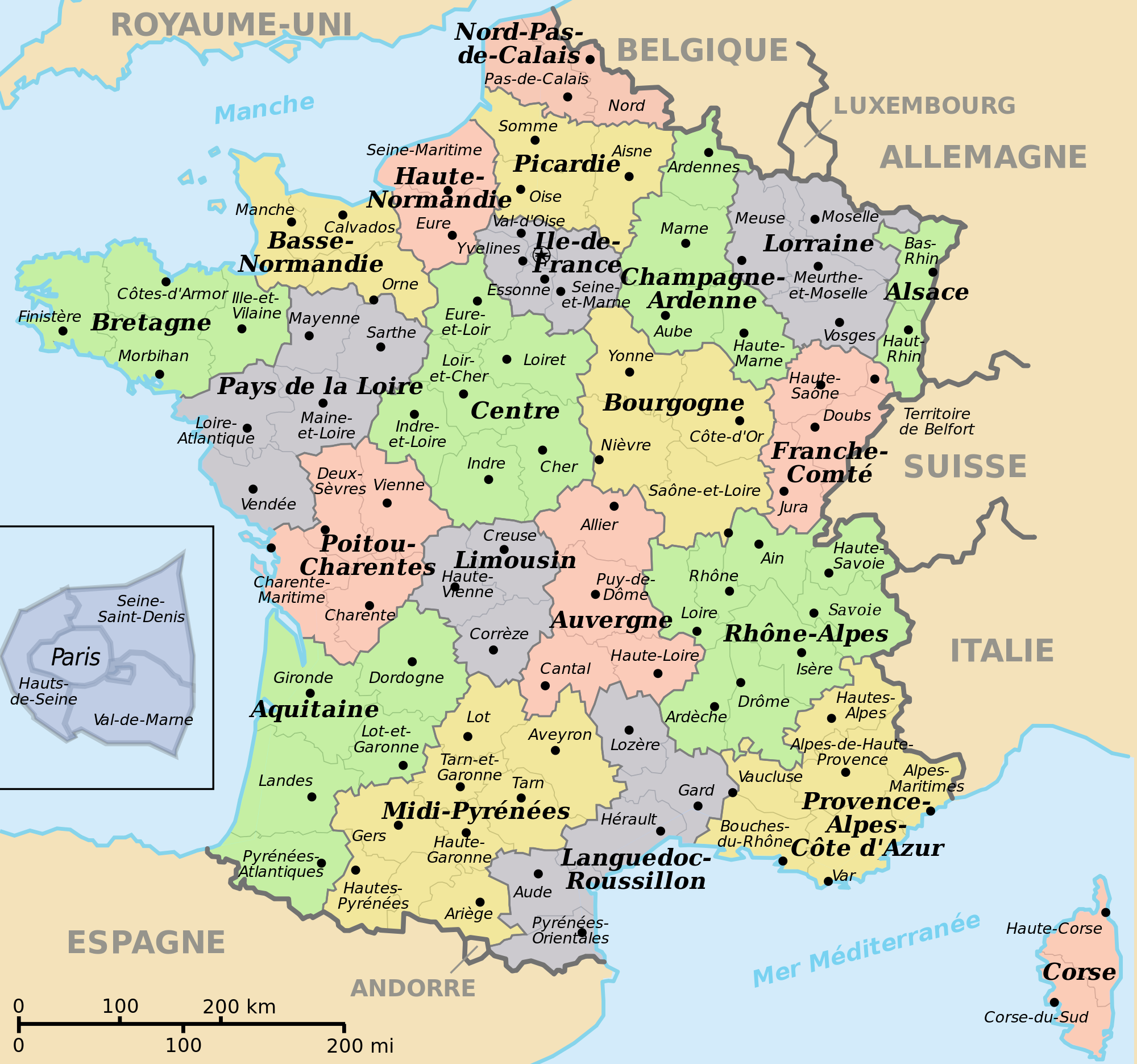
We are in the bakery shop of Yves-Rene Scordia. His customers are lining up and yearning to get his usual delicious pastries, but he has a dilemma. There is a pastry flour shortage, and he is out of his usual ingredients, so he is forced to improvise by using the bread dough he has and layering in butter and sugar, and thus, a delicious treat is born. Although this is mostly attributed to Scordia, some murmurs link the origins to a Swedish cake or the community of bakers as a whole, not just him. Ever since that faithful day, the kouign-amann has become an emblem for the people of Brittany and has been ingrained in their culture and social fabric. Local bakers have formed the Kouign-amann Association, intending to protect its authenticity and the traditional ways of making it with fresh, quality ingredients. There is also a yearly competition as the regional bakers strive to bake the best one. The region also boasts a great dairy tradition with the Breton cows producing their famed salted butter and the existing coastal salt flats yielding the fleur de sel.
So what is the difference between a kouign-amann and a croissant, and what is dough “sweat”?
Kouign-amann is a rather difficult pastry to bake, calling for precise conditions and temperature control of both dough and butter to achieve the ideal caramelization and texture without burning. It involves many steps of chilling, rolling, folding, and turning the dough. As the sugar is added, the dough may “sweat”. This happens as sugar dissolves and draws moisture from the dough. This occurrence necessitates prompt baking to maintain the pastry’s structure and prevent excessive stickiness. Croissant dough requires chilling and resting between folds to keep the butter firm and allow the dough to relax, but in Kouign-amann, the dough can’t rest after adding sugar because of this “sweat phenomenon,” because it will break down if left too long. Croissants have light, airy, flaky interiors with honeycomb structures. Kouign-amanns have a crispy, caramelized exterior with a dense, moist, layered interior with pockets of melted sugar. Kouign-amann has sugar and more butter, and obviously, the shapes are different.
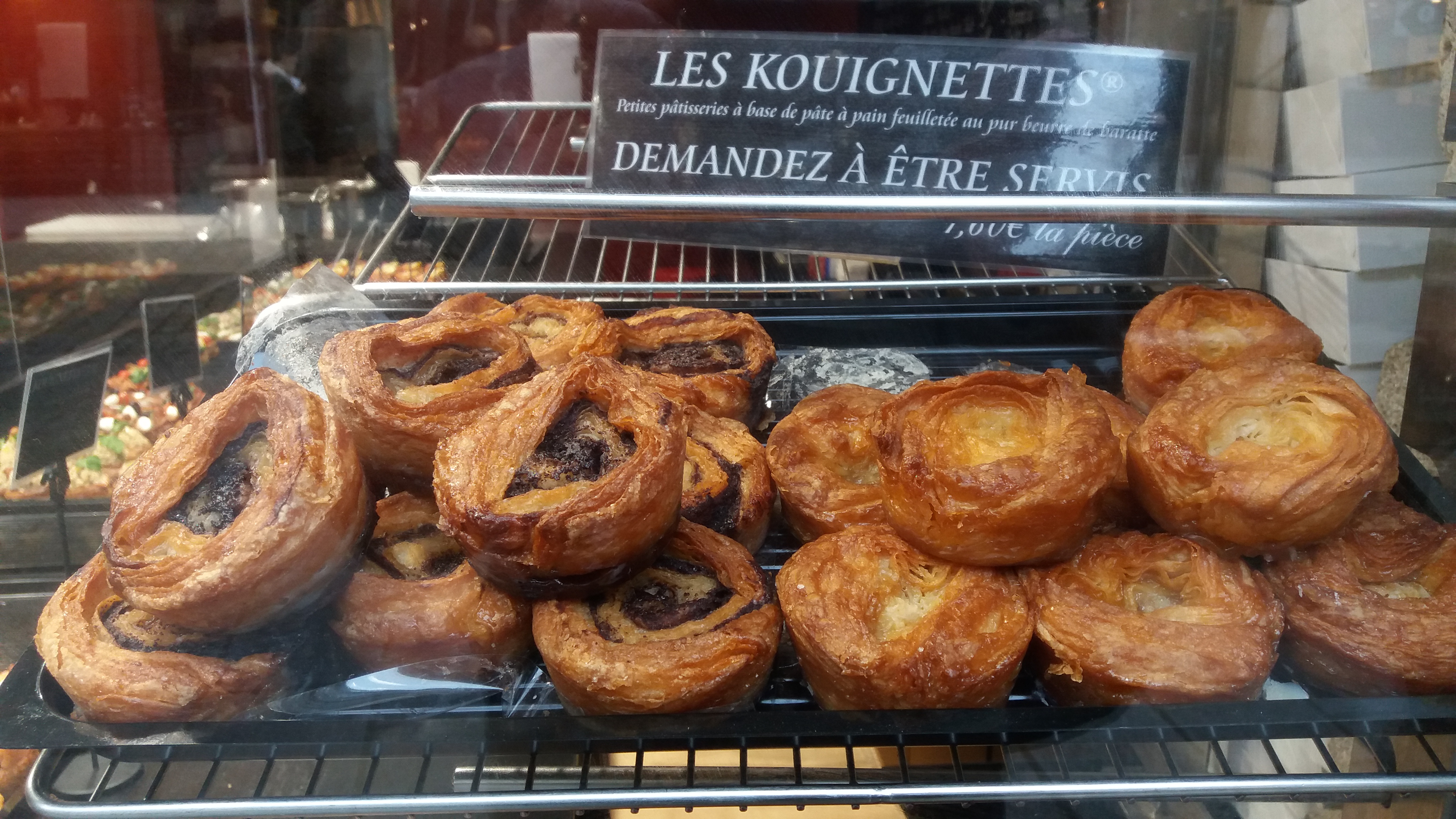
So, how and when did this traditional Breton pastry, made in the shape of a cake meant to be shared and be communal, transition out of France into the shelves of fancy bakers and transform into individually sized muffin-like “Kouignettes”?
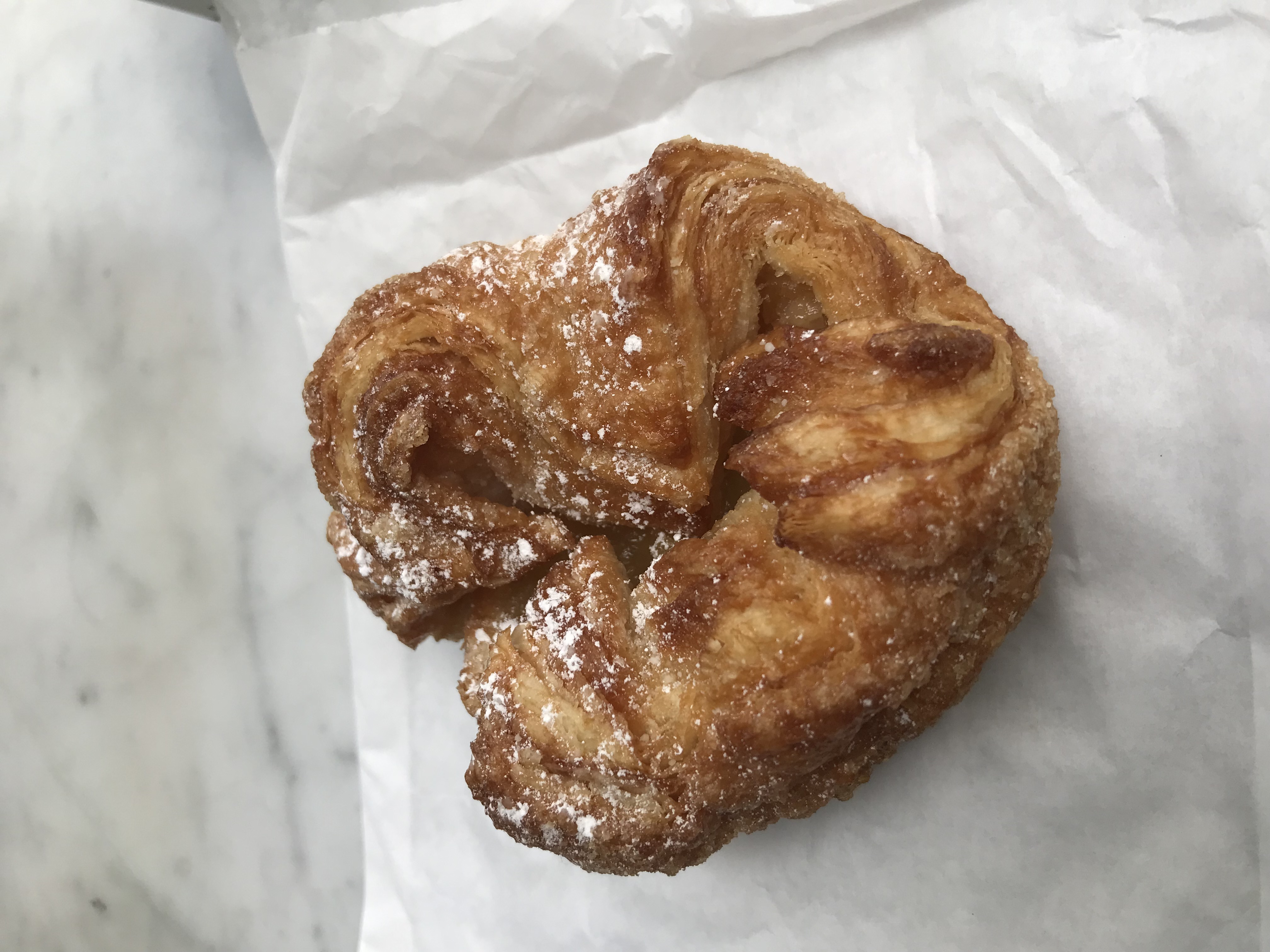
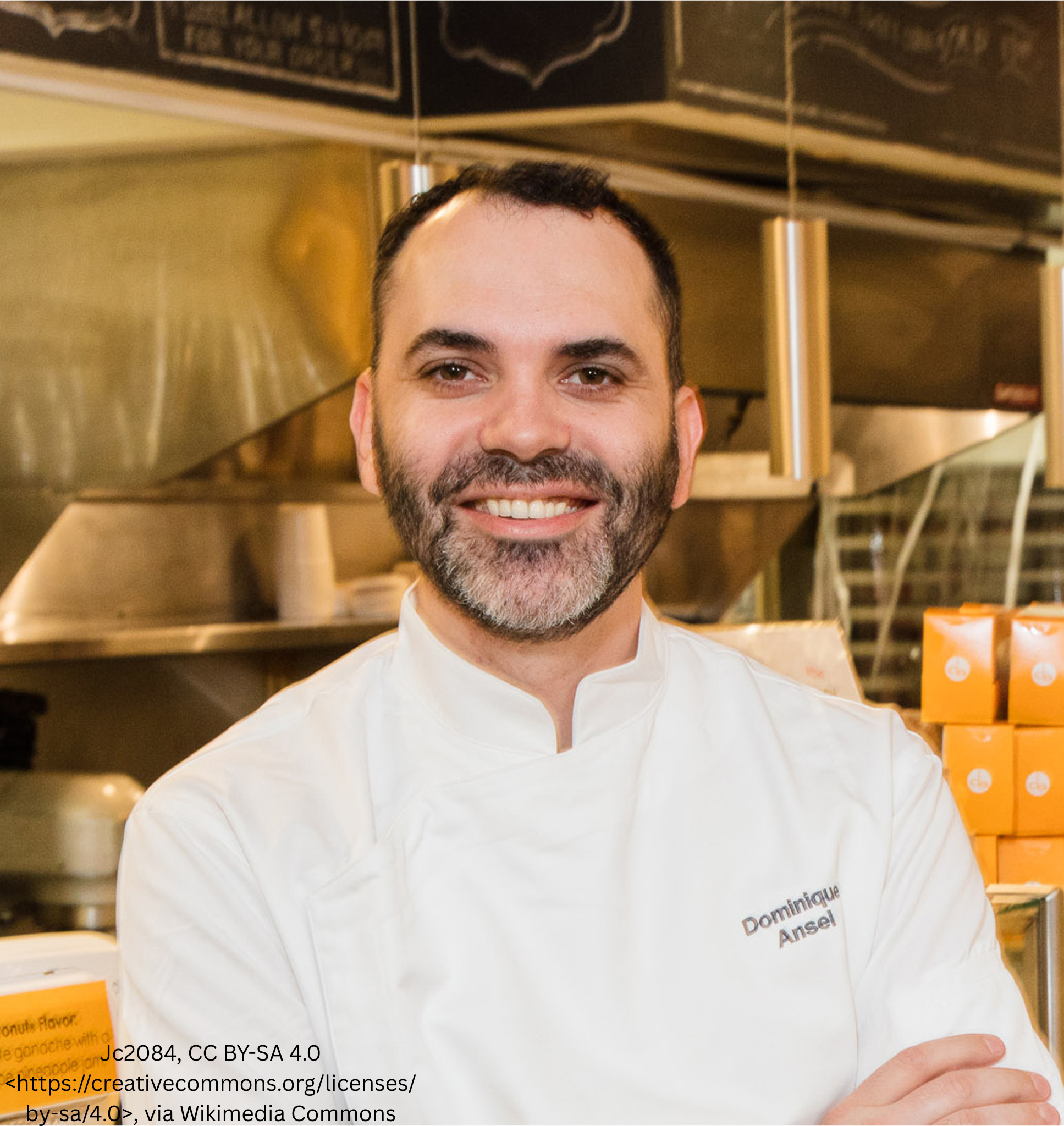
Interestingly, this has been a relatively recent phenomenon. In the late 1990s, it made its way to Japan, where they have always shown a liking to different French pastries. It was not until the early 2010s that it started to become popular in the US and beyond, mostly thanks to a number of French-born and trained master pastry chefs. Dominique Ansel introduced a miniaturized version in his New York bakery in 2011, the DKA (or Dominique’s Kouign-amann). Although more famous for his cronut (the croissant-doughnut fusion he created in 2013), the DKA remains his best-selling pastry. The Kouign-amann phenomenon soon spread to most major cities and sparked the creativity of master chefs and occupied the shelves of many “fancy” bakeries. A couple of other important examples are b.Patisseri in San Francisco under Belinda Leong and Washington DC’s Panorama bakery by Loic Feillet and Damien Le Tyrant. In 2011, The New York Times declared that the Kouign-amann is “the fattiest pastry in all of Europe.” In 2014, an episode of the popular The Great British Bake Off on the BBC featured the pastry further enhancing its reputation and popularity. More recently, celebrity chef David Chang, on his Netflix show Dinnertime Live, unveiled his “Krispy Kouign-amann”. He flattened Krispy Kreme doughnuts using a tortilla press to mimic the layers of a traditional kouign-amann. Other modern versions add ingredients to its surface or between layers, some are even savory.
It is interesting how modern consumption habits have transformed such a traditional pastry made to be shared into a photogenic Instagram star made in the individual, personalized, indulgent form we see everywhere today.
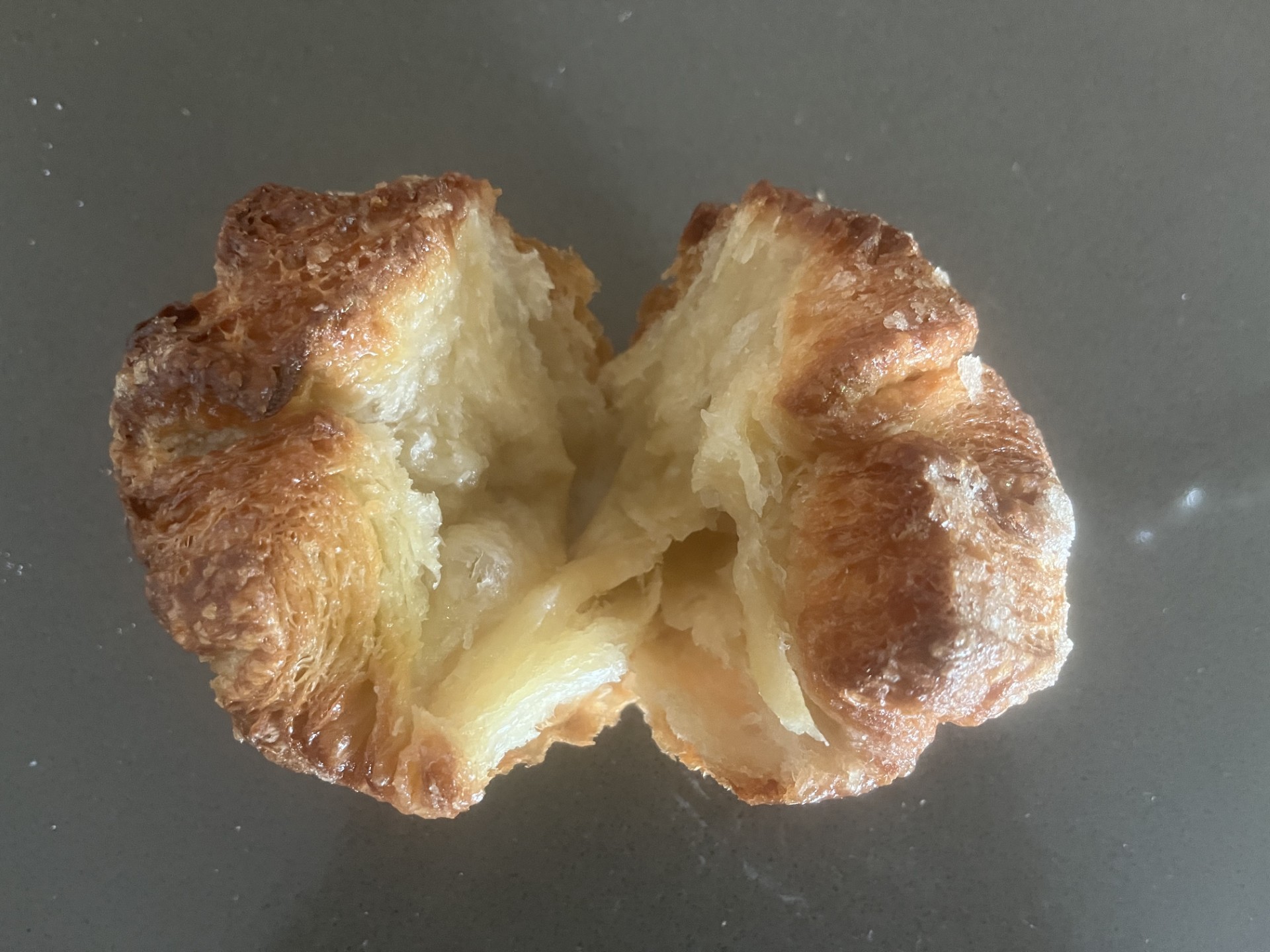
The Kouign-amann has been called the “queen of pastries” and “gold in butter,” but despite its aristocratic aspirations, the reason it shines is the ingenuity and traditions of the Breton people. So let’s gather around the communal table and eat a piece of the traditional cake form Kouign-amann, and drink cidre Breton (a hard cider) to balance that sweet, delicious buttery goodness.
Always be curious, seek out the blurred lines, and be illuminated.