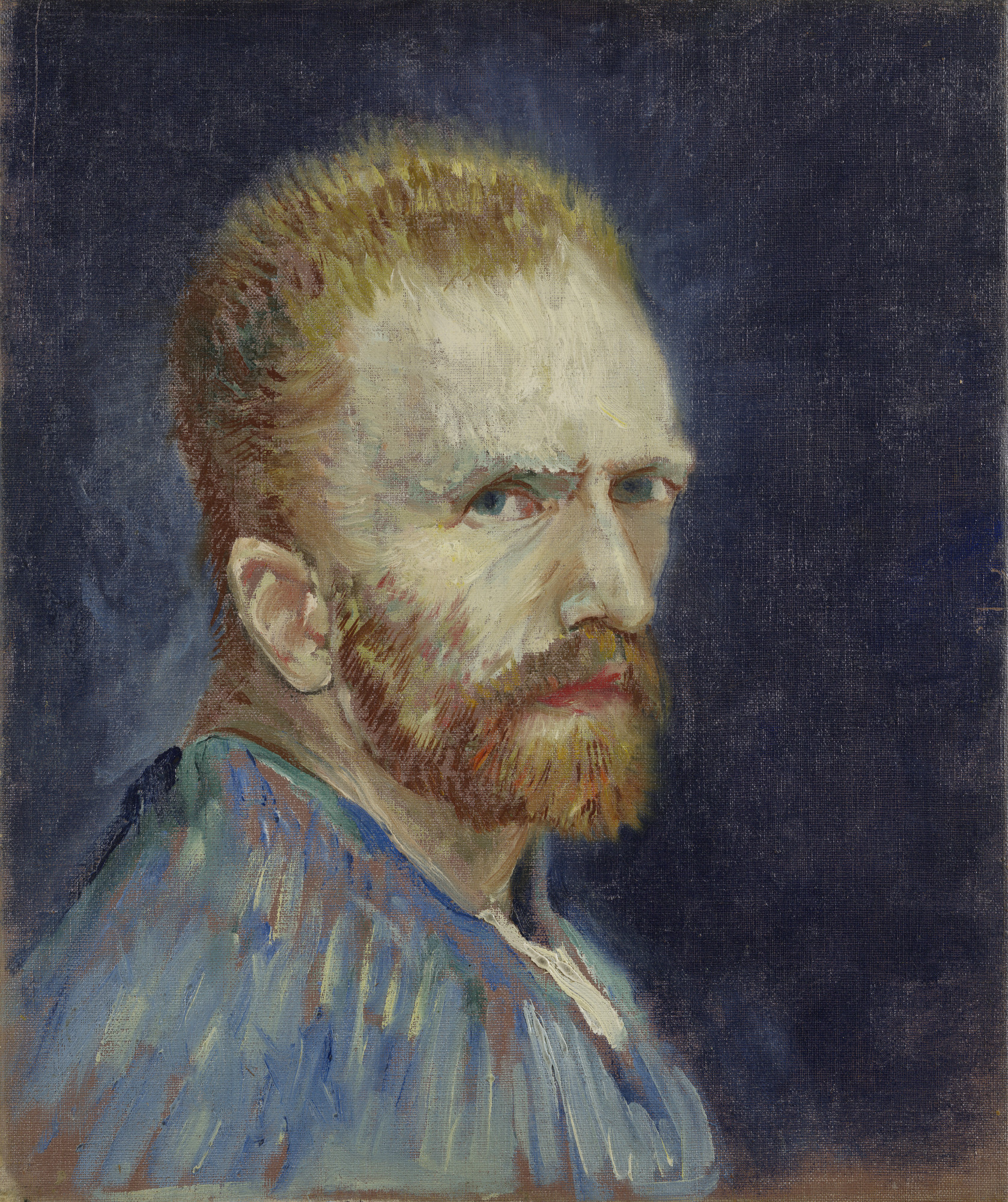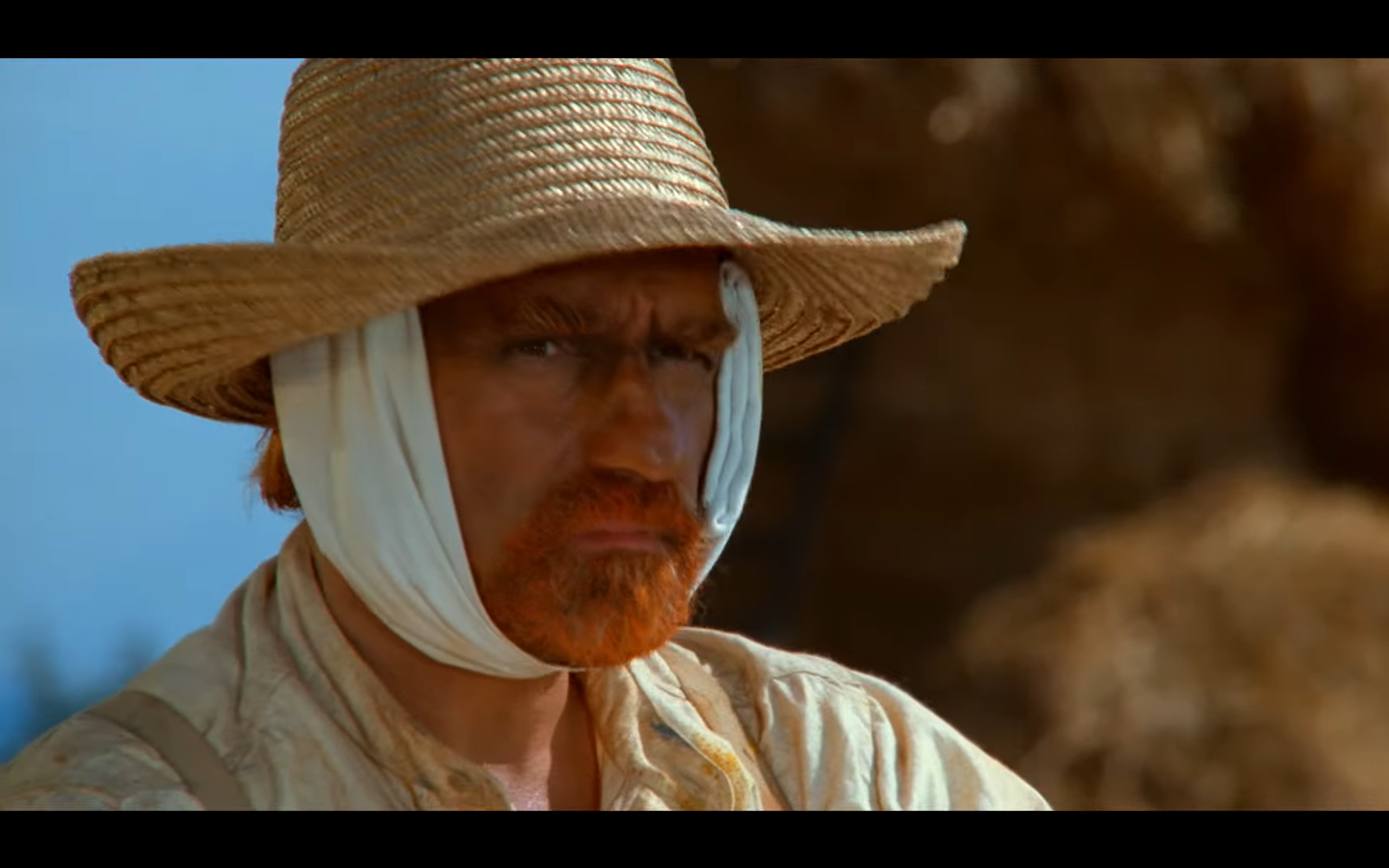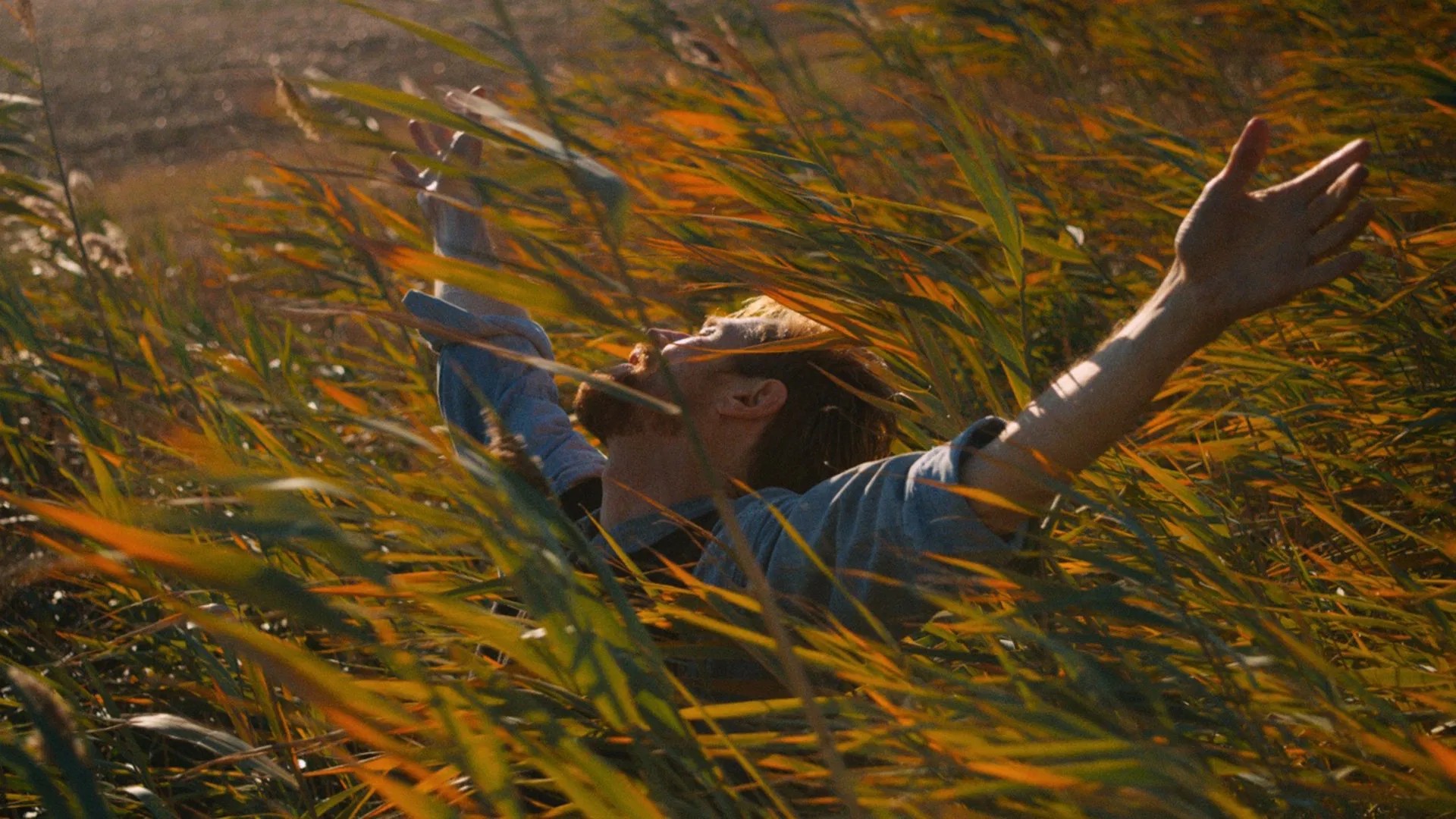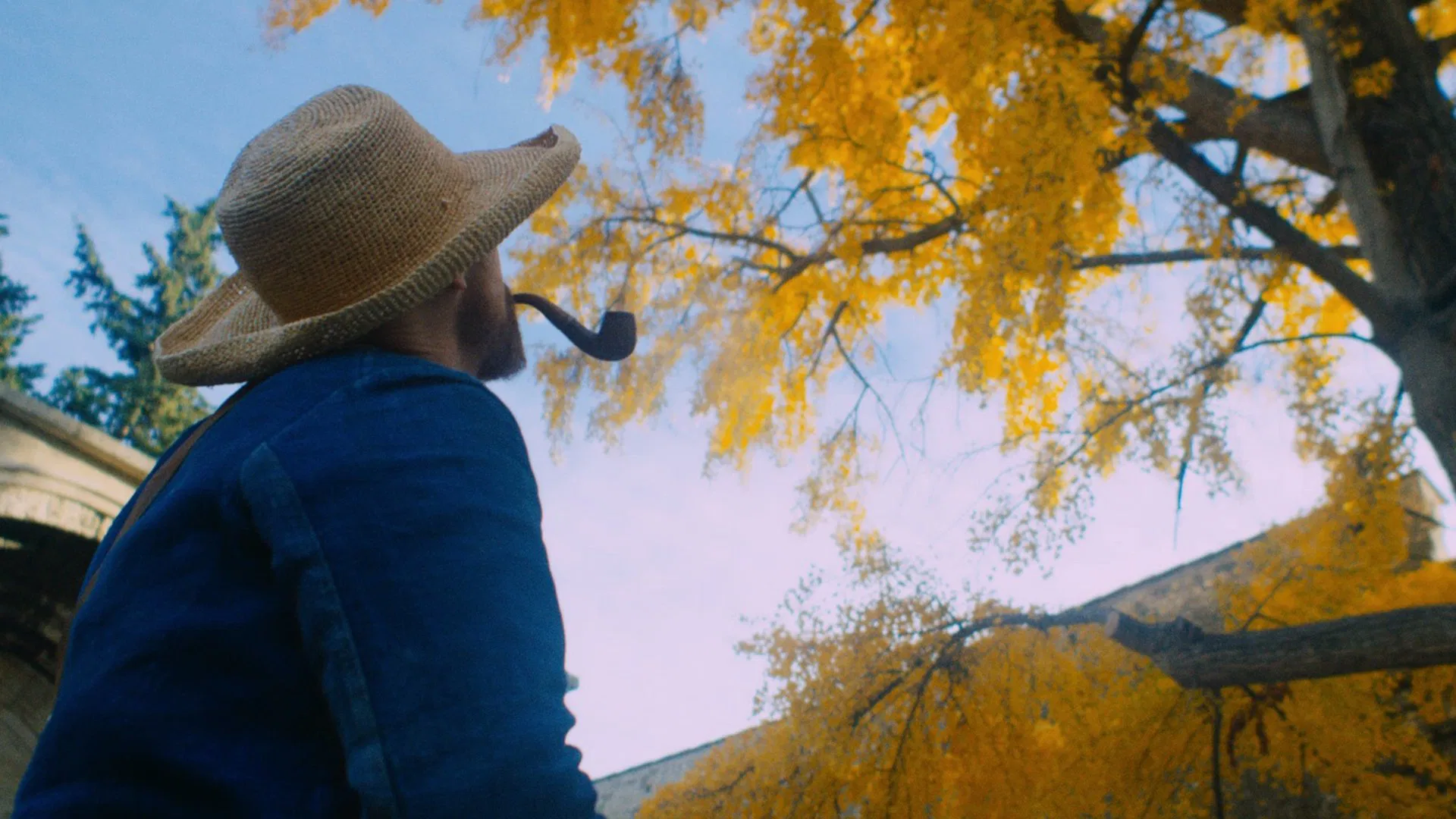
You have seen his work everywhere—from coffee mugs to museum walls. You may be familiar with his yellow sunflowers, the enchanting “Starry Night”, the severed ear, his mental struggles, and the tragic end. But who was Vincent Van Gogh? For over 135 years since his death, many have tried to peel back the different layers and capture the essence of this fascinating figure. Cinema has been one of the most persistent media in that search, offering us version after version, each shaped by the time, the director, and the vision behind the lens.
Let us step into the silver screen—from classic biopics to animated portraits—to explore how different eras and styles have sought to capture his essence. Along the way, we’ll ask bigger questions about the elusive nature of artists, the nature of biopics, historic fidelity versus artistic license, and subjectivity versus objectivity. Let us turn the lens on.
For decades, one central theme has shaped the perception and allure of Van Gogh: the myth of "the tortured artist" striving against all odds. This archetype presents him as an idealistic tragic hero, fueled by passion for his art, struggling against societal conventions and eventually succumbing to his inner turmoil or "madness."
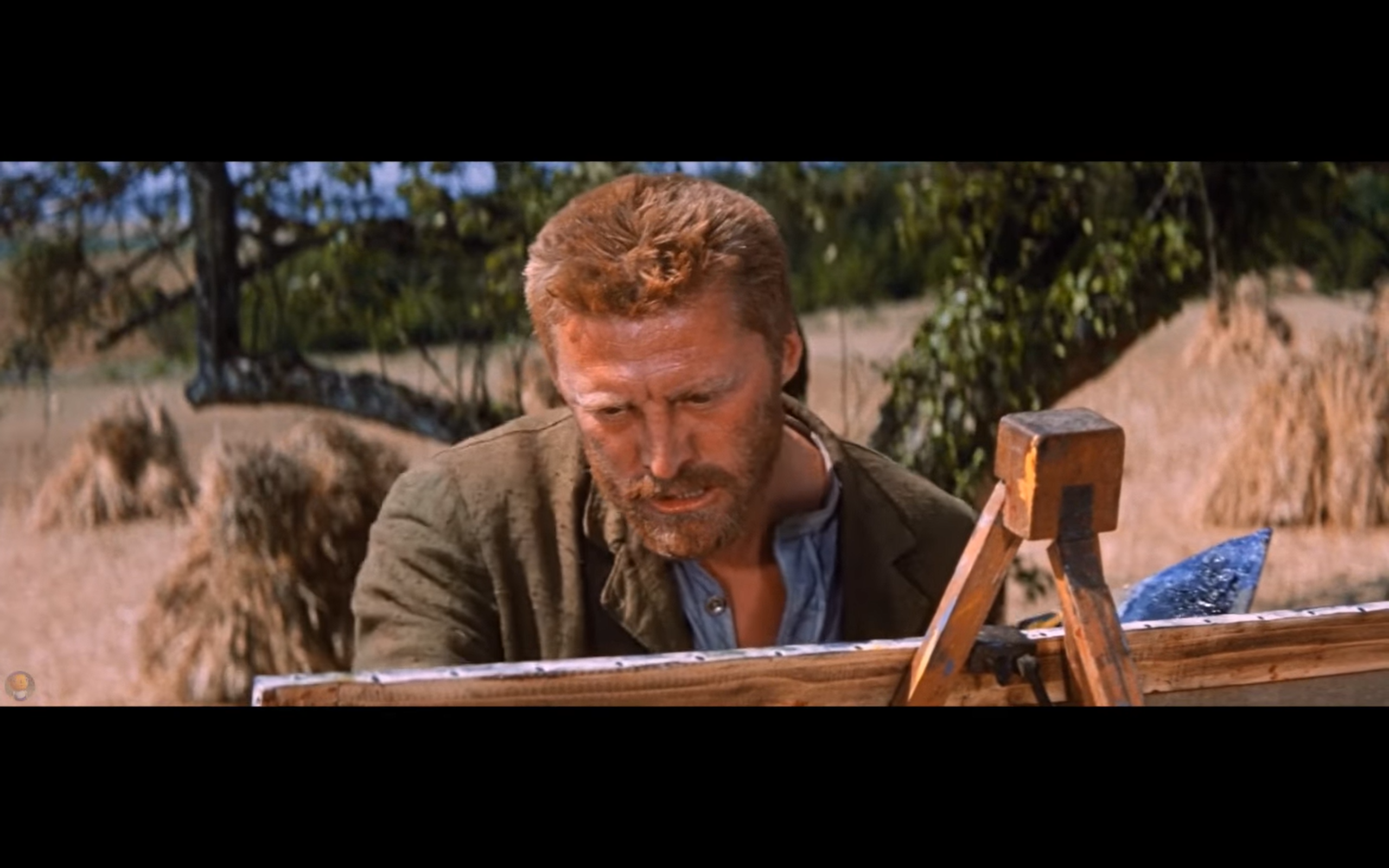
Vincente Minnelli’s 1956 film Lust for Life was the quintessential Hollywood treatment of this vision. The film featured a Golden Globe-winning performance by Kirk Douglas as Van Gogh and an Oscar-winning one by Anthony Quinn as Paul Gauguin. Working with the tools of his era, Minnelli attempted to bring Van Gogh’s vivid palette to life on screen. The film portrayed Van Gogh as an energetic hero passionate about his work, struggling and suffering through episode after episode of over-dramatized events, eventually losing his spiritual battle and descending into madness—a sort of "modern messiah."
While attempting to honor Van Gogh’s artistic style, the film took significant liberties with facts, including the creation of a fabricated suicide letter. This melodramatic approach was an integral contributor to the "mad genius" mythification of Van Gogh. Though critically praised—particularly Douglas’ performance—the film was not a financial success. However, it heavily influenced public perception of Van Gogh and shaped future cinematic treatments that followed.
But how close was this romanticized vision to the real man?
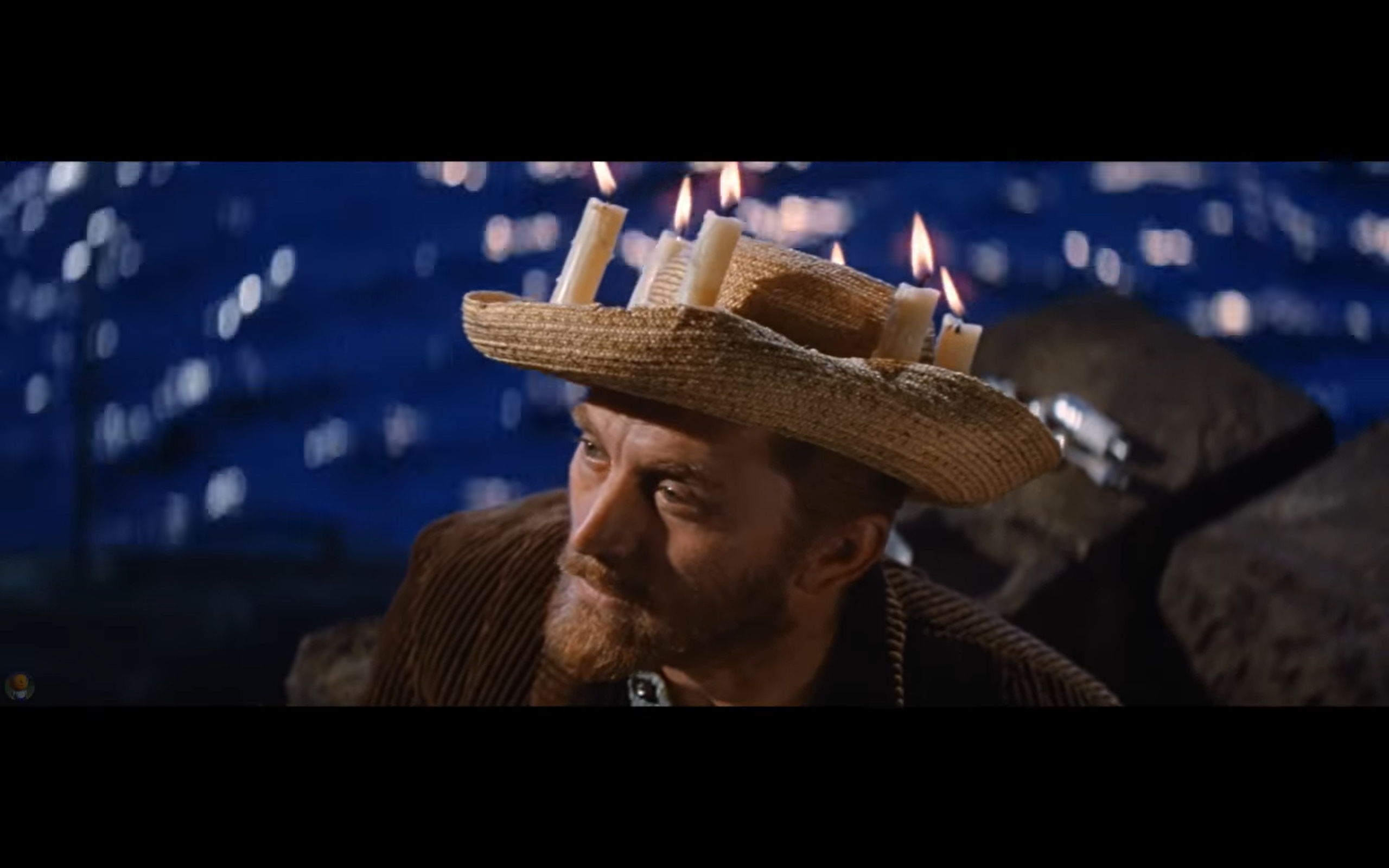
In the early 1990s, Van Gogh lost his halo. He became real, fragile, human. The myth cracked, and filmmakers began presenting radically different interpretations.
Robert Altman’s 1990 Vincent & Theo exemplifies this "anti-melodramatic" treatment. The raw and unglamorous portrayal features Tim Roth as Vincent and Paul Rhys as Theo, giving equal weight to both brothers and their complex relationship. Their loving yet stormy bond comes to the forefront. Vincent is portrayed as obsessed with painting, often at the cost of his relationships with others. He appears raw and reclusive.
Altman’s direction is deliberately simple, with minimalist visuals that let Van Gogh’s achievements speak for themselves. Notably, the film opens with footage of a modern auction showing Van Gogh’s Sunflowers being sold for millions—a dramatic contrast to the brothers’ financial struggles throughout their lives. This serves as commentary on the hypocrisy of how society treats artists during their lifetime versus after death.
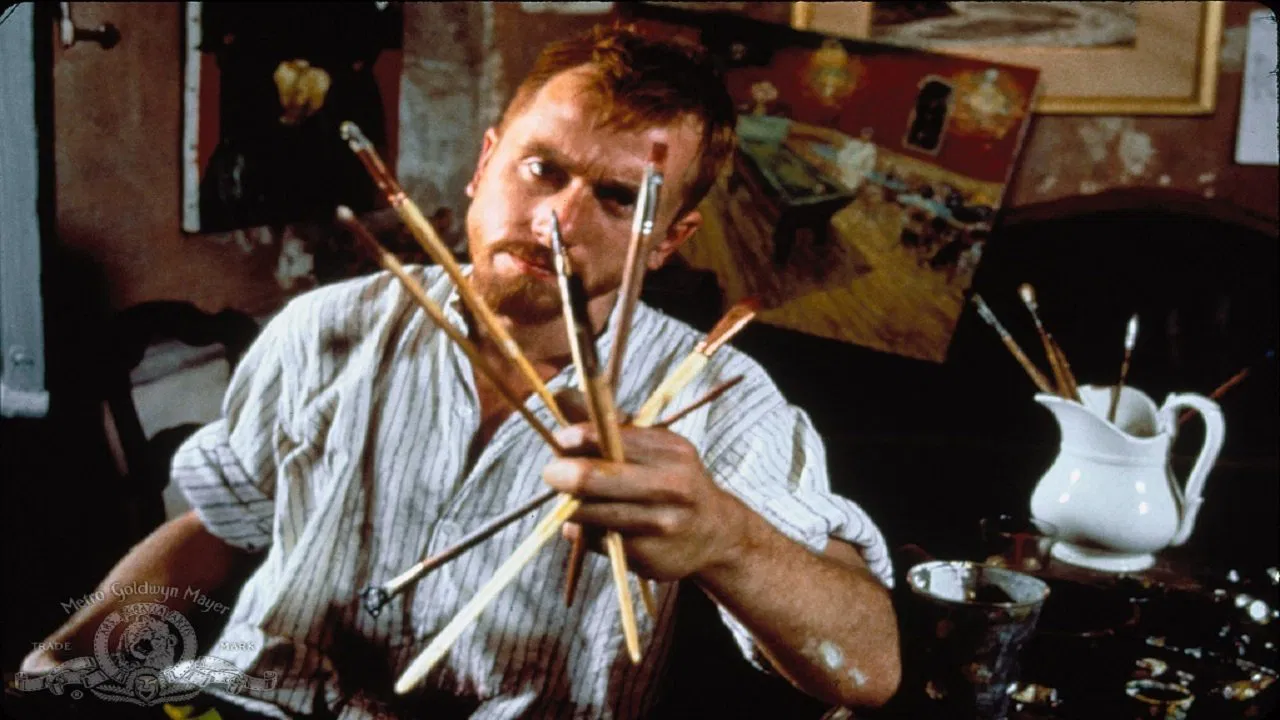
Maurice Pialat’s 1991 French film Van Gogh, starring Jacques Dutronc, takes this demythification even further. Focusing on the last 67 days of Van Gogh’s life in Auvers-sur-Oise, Pialat’s version is diametrically opposed to Minnelli’s romantic vision. His Van Gogh is earthy and devoid of drama. In his naturalistic style, Pialat shows us an ordinary man of flesh and blood, minimizing the dramatic events of his life—the ear is barely scratched, not severed.
Rather than showcasing his famous works, the film focuses on everyday relationships with his brother Theo, Dr. Gachet, and includes a fictional affair with Dr. Gachet’s 19-year-old daughter, Marguerite. This Van Gogh is neither mad nor necessarily a genius—he is quiet and ordinary. He struggles to fit in and remains an outsider, but doesn’t necessarily seek approval. Some critics praised the approach, and Dutronc won a César (the French Oscar) for his performance. Yet Pialat took many liberties with historical truth, defending himself by saying, "You don’t paint 100 masterpieces when you are depressed."
This raises an important question: What responsibility do creators have when depicting someone’s life?
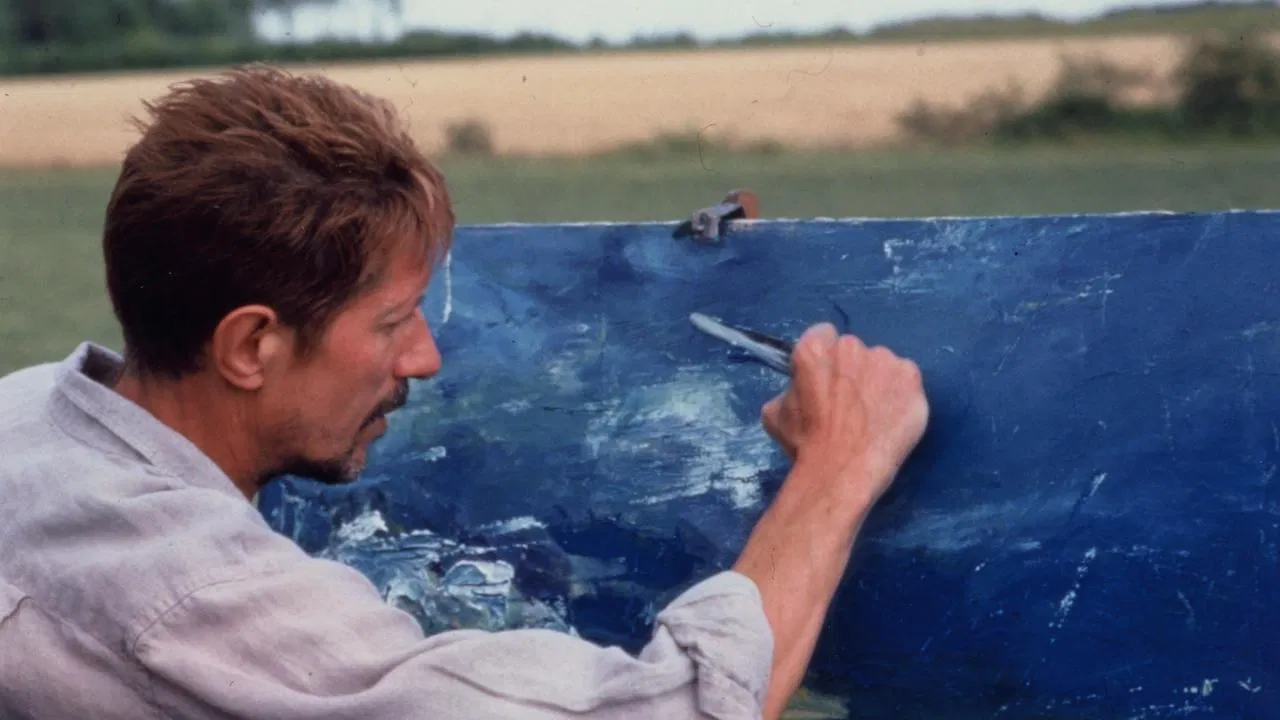
Here, we should acknowledge the crucial role played by the letters Vincent left behind, primarily to his brother Theo. These correspondence pieces open a window to his inner world, revealing his thoughts on art, life, and his psychological state. They serve as the backbone for various cinematic explorations of his life.
Paul Cox’s 1987 part-documentary, part-fiction Vincent: The Life and Death of Vincent Van Gogh features John Hurt narrating Van Gogh’s letters. This simple, humane approach made the film an art-house hit. Similarly, the 2010 BBC TV film Painted with Words, directed by Andrew Hutton, shows the brothers narrating the exact words from their correspondence. Benedict Cumberbatch’s Vincent often breaks the fourth wall to speak directly to the audience, creating a sense of vulnerability and intimacy unseen in other explorations of his life.
These letter-based films demonstrate how primary sources can provide alternative pathways to understanding historical figures, bypassing traditional narrative structures to create more intimate connections with their subjects.
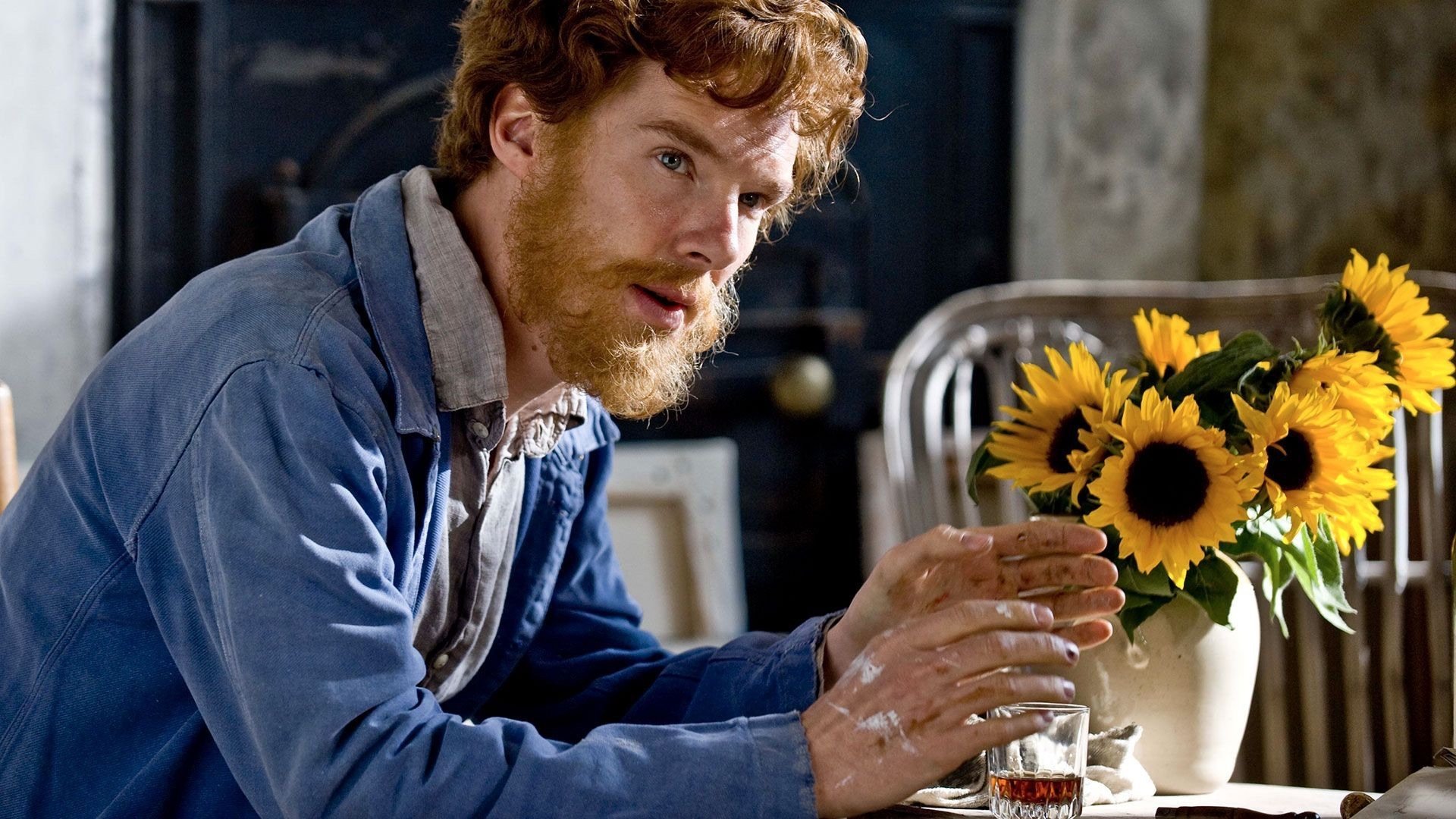
Two recent films approach Van Gogh’s life from entirely different angles, contributing to what scholars have called the "re-mythification" of Van Gogh—but with a modern twist.
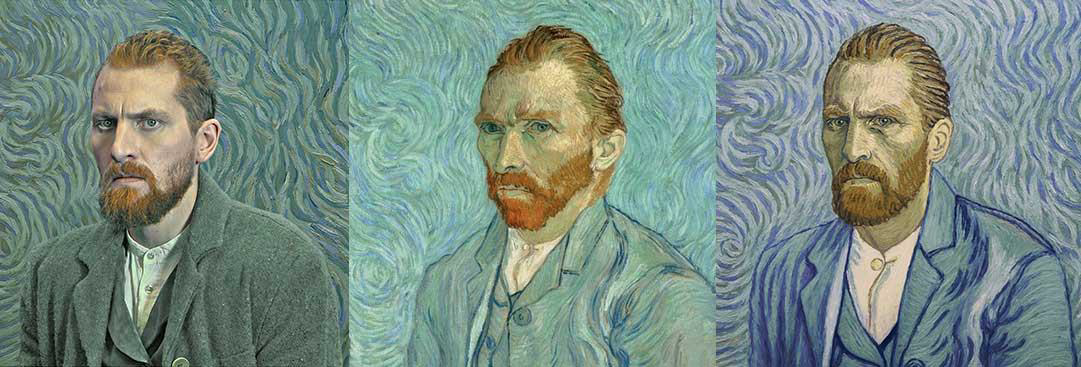
Dorota Kobiela and Hugh Welchman’s Loving Vincent distinguishes itself as the world’s first fully painted feature film. Composed of 65,000 frames, each hand-painted in oil by 125 artists meticulously mimicking Van Gogh’s post-Impressionist style, the film uses rotoscoping technology where live-action footage is painted over frame by frame. The result is an astonishing visual achievement that puts Van Gogh’s paintings and world in motion, literally animating his artistic vision.
The film allows viewers to see through Vincent’s subjective perspective, enhanced by his own words from letters and an elegant soundtrack, creating a multi-sensory experience. This remarkable visual fidelity is combined with a fictional murder-mystery framework that explores alternative theories about Van Gogh’s death, challenging the traditional suicide narrative.
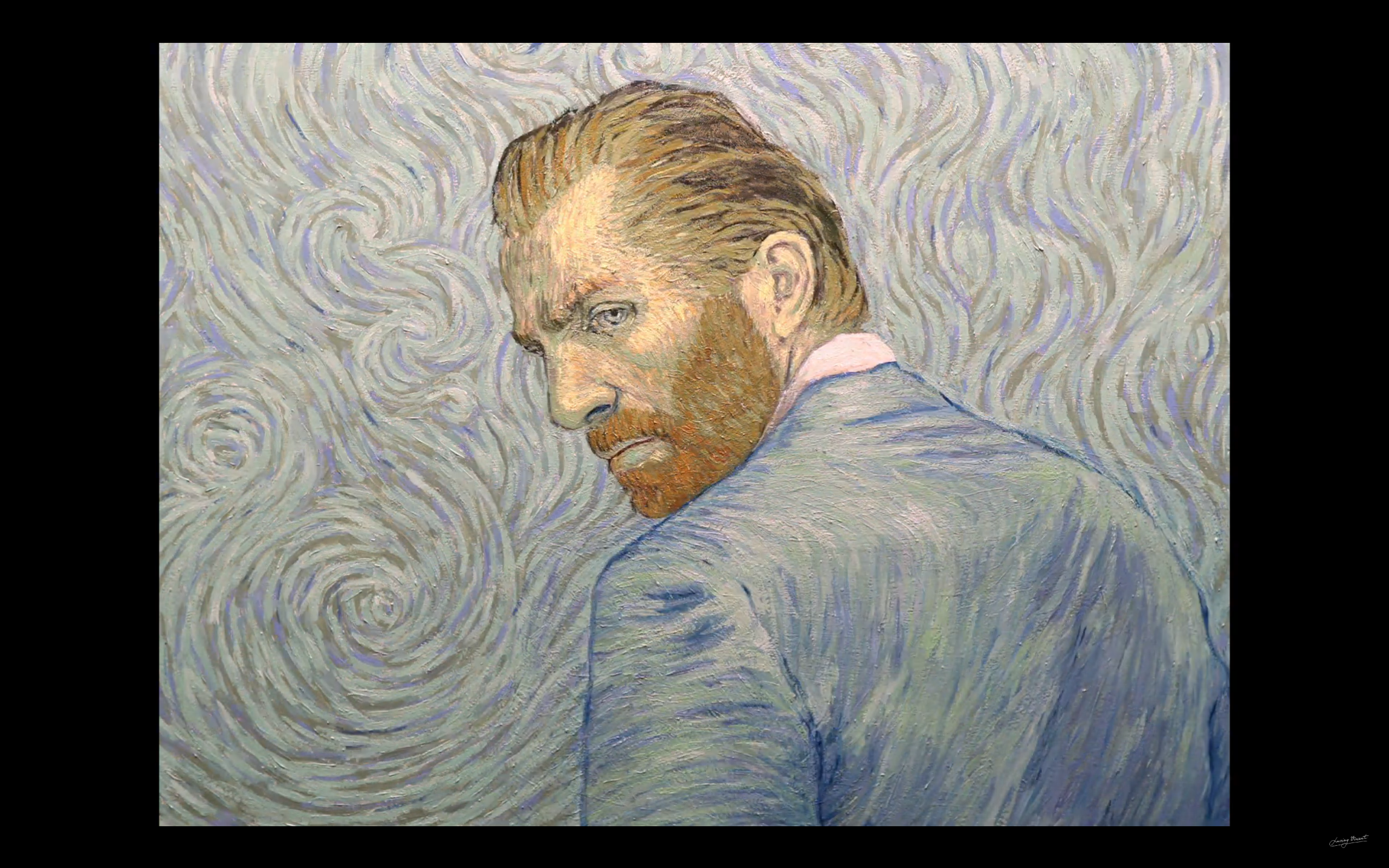
These theories originate from Steven Naifeh and Gregory White Smith’s 2011 biography Van Gogh: The Life, which presents a case that Van Gogh’s death resulted not from suicide but from an accidental shooting by local youth. They cite the upbeat nature of Van Gogh’s final paintings and his letters describing suicide as immoral. While most scholars disagree with these historical revisionist ideas, Loving Vincent doesn’t take a definitive position, allowing viewers to decide for themselves.
It’s fascinating how the film’s remarkable visual fidelity seems to grant it permission to explore this controversial theme, as if its artistic authenticity provides license for historical speculation.
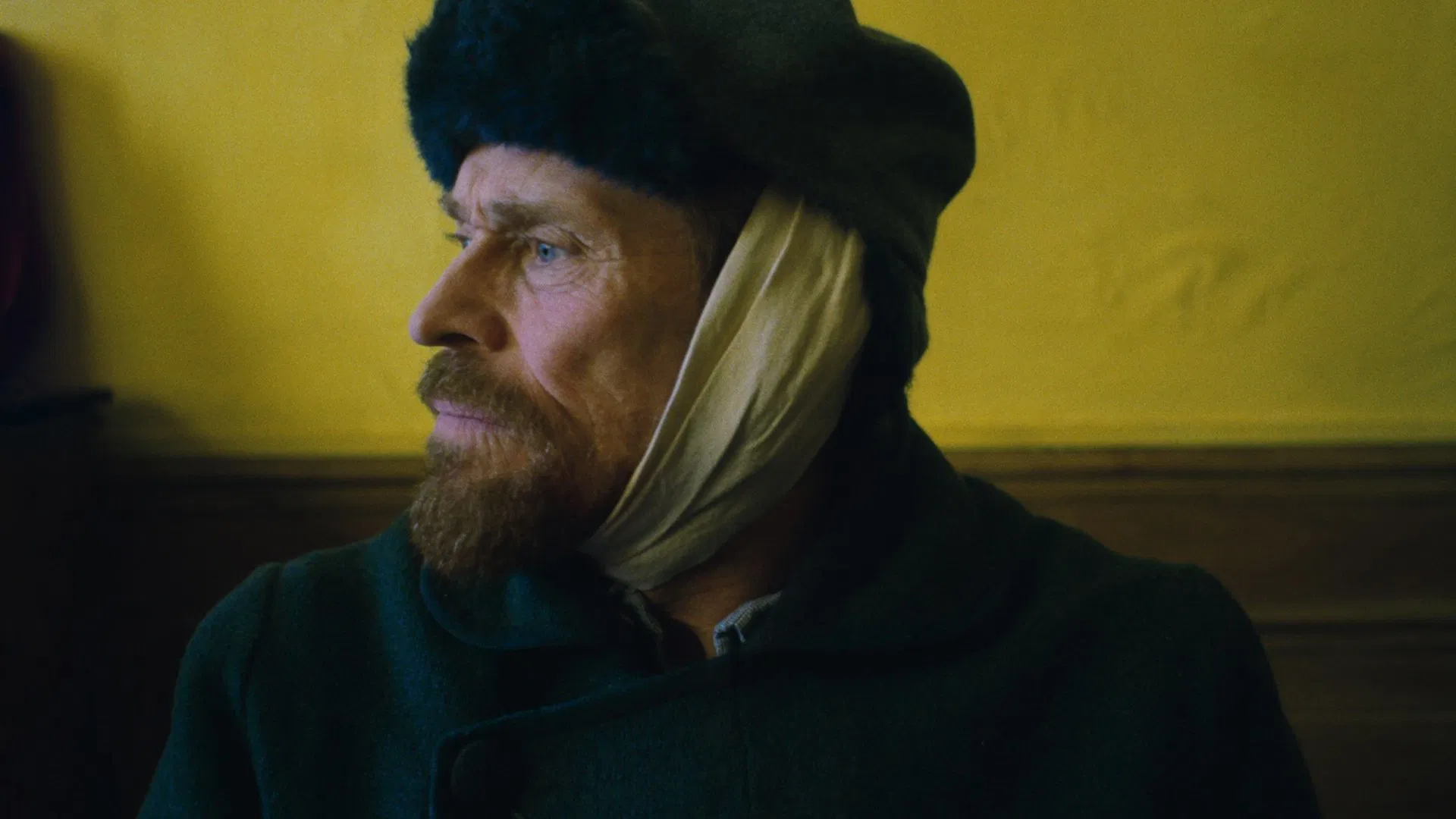
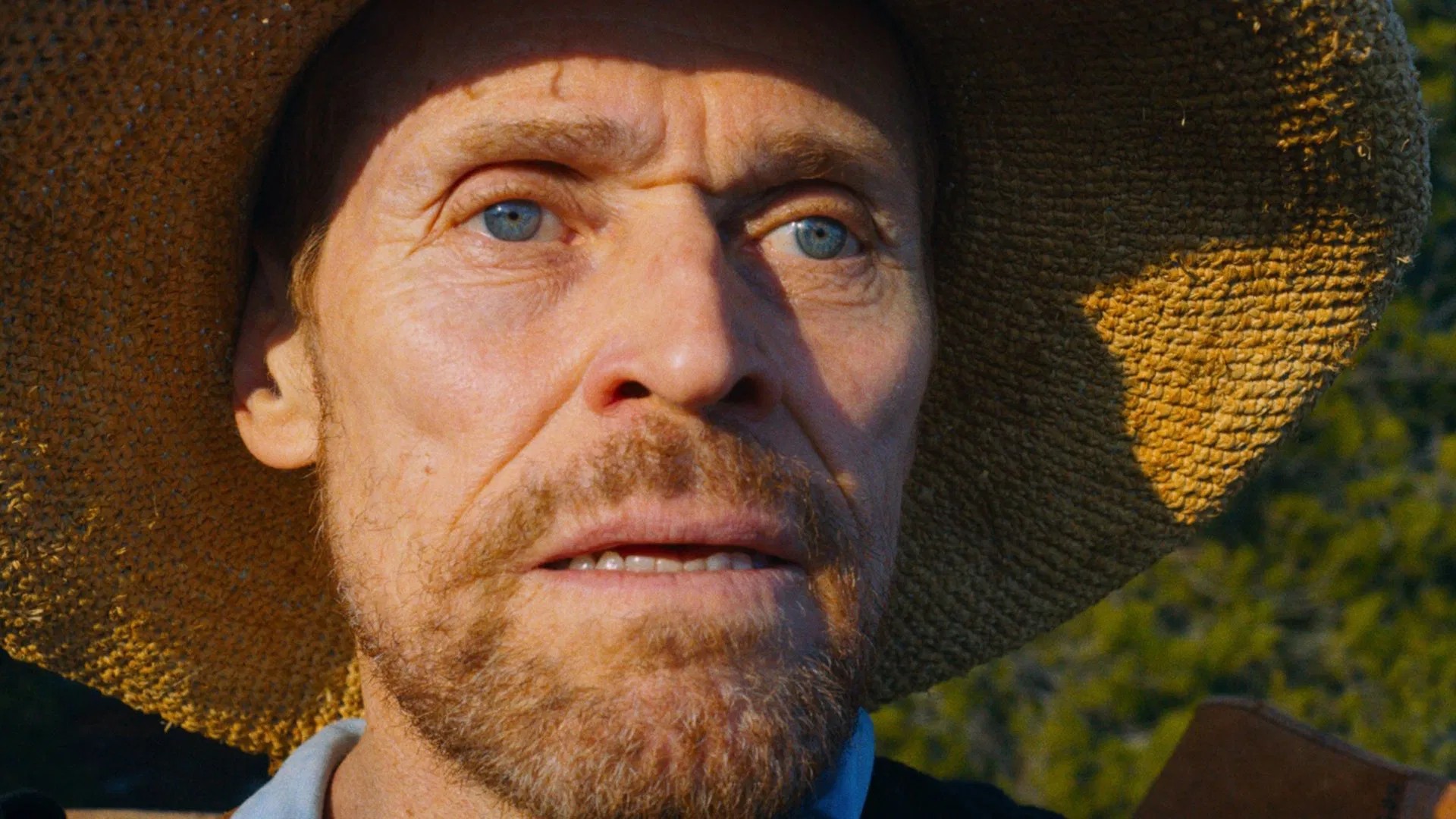
Julian Schnabel’s At Eternity’s Gate similarly aims to provide Vincent’s subjective experience. Schnabel, himself a painter, employs point-of-view shots, moving cameras, close-ups, and heavily applied blue and yellow filters to create an atmosphere mirroring Van Gogh’s intense perspective. Rather than focusing on a straightforward narrative, Schnabel explores philosophical questions and the artistic process of creation, seeking to understand Van Gogh’s struggles and illustrate his genius.
Willem Dafoe’s tender and intense portrayal of Van Gogh earned him Oscar and Golden Globe nominations. The film’s reception was mixed, particularly regarding its embrace of the accidental death theory. Schnabel’s Van Gogh is neither a "madman" nor a "troubled artist" but rather a philosopher or mystic figure attempting to understand existence through his art. It is said that Schnabel was more interested in Vincent’s ecstasy than his pain—an approach that contributes to creating a new kind of myth around the artist.
What is the nature of biopics? How can we uncover the mental state of someone from over a century ago? What is subjective? What is objective? What constitutes fact? How much artistic license should creators have? As new layers and facets come to light, how does the story change? How do these interpretations become part of the story themselves? How do they create myths, debunk myths, and recreate new myths around historical figures? How does a cultural icon get reinterpreted throughout the ages?
These films reveal as much about their respective eras as they do about Van Gogh himself. The 1950s mythologized the tortured genius. The 1990s sought to humanize and demythologize. The 2010s have begun re-mythologizing, but with emphasis on Van Gogh’s visionary and philosophical qualities rather than his madness.
Each generation seems to need its own Van Gogh—one that reflects contemporary values, concerns, and understanding of creativity, mental health, and artistic genius. Perhaps this is the true legacy of any enduring cultural figure: not a fixed identity, but a mirror in which each era can examine its relationship with art, suffering, and the human condition.
Do we really know who Vincent Van Gogh was?
In a segment of Akira Kurosawa’s 1990 film Dreams, an art student stares at a Van Gogh painting in a museum and is suddenly transported inside it. He has a fascinating conversation with Van Gogh (played by Martin Scorsese), who is painting in a field. The student seems to be searching to understand and capture the essence of Van Gogh. Suddenly, Van Gogh disappears behind the horizon, and the student is left transported back to the museum, staring at the canvas again. Are we really able to capture the essence of someone? Kurosawa seems to set Van Gogh free from our scrutiny and leaves us just with his paintings and our own interpretations. Let us pause to reflect on these points and appreciate the legacy left behind by this fascinating figure. If you are interested in learning more about his life, its relevance to us today, and what his “Starry Night” is telling us, please read my other essays.
Always be curious, seek out the blurred lines, and be illuminated.