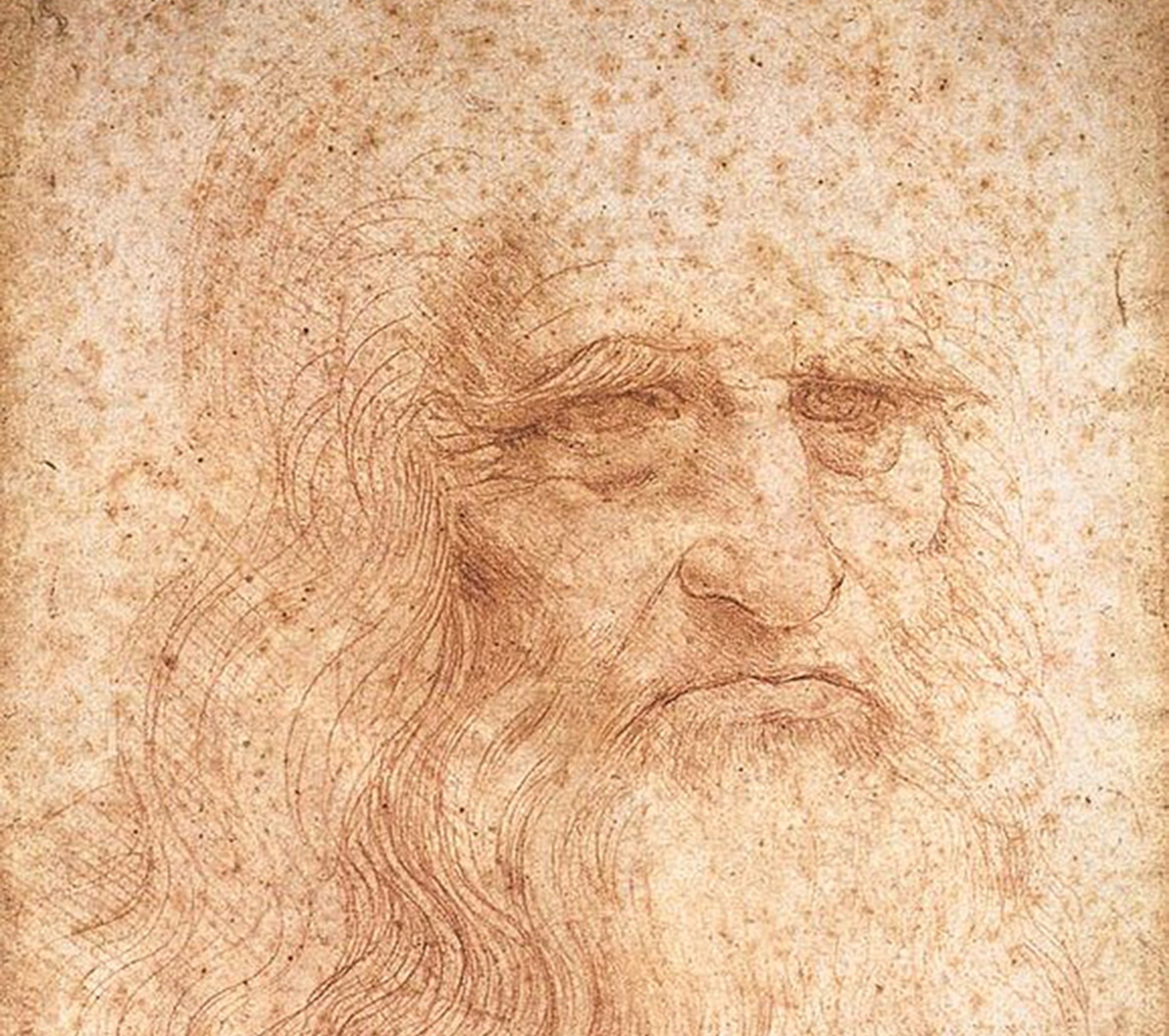
A handsome man with a long beard wearing flamboyant pink and purple tonics, flying machines, flowing water ripples, smoky shadows, an unquenchable sense of curiosity, and an enigmatic smile compose our story today.
Why should we care about Leonardo da Vinci today? Well in short he is the creator of perhaps the most famous painting in history: The Mona Lisa but more significantly he was one of those rare people who lived at the intersection of art and science and that is where they say true creation occurs. He can’t simply be categorized as a genius “Renaissance Man” but as we will briefly explore he has a very relatable story and message. So let’s travel to 15th century Florence and be illuminated.
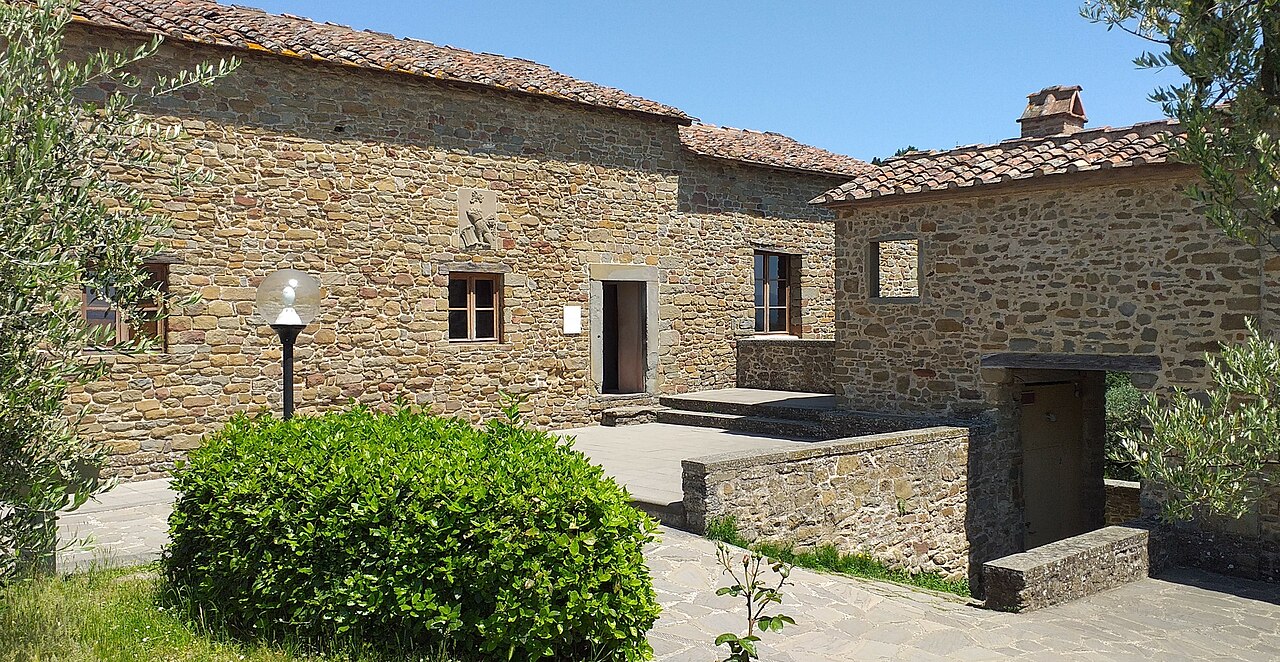
We are in Vinci, a village just outside Florence, Italy in the year 1452. A middle-class man employed as a notary named Ser Piero and a peasant girl named Caterina have an illegitimate son named Leonardo (da Vinci means from Vinci). Not much is known about his childhood but was probably raised in his paternal grandfather’s household. Since he was illegitimate he received no formal education and was not required to follow in his father’s footsteps and become a notary. Even more than regular children he seemed to have a sense of wonder and curiosity about everything. Leonardo was mostly self-thought and was very good at seeking out and recognizing patterns in seemingly unrelated things. He was a disciple of experience.
By the time he was 15 years old, he became an apprentice at the art studio of Andrea del Verrocchio.
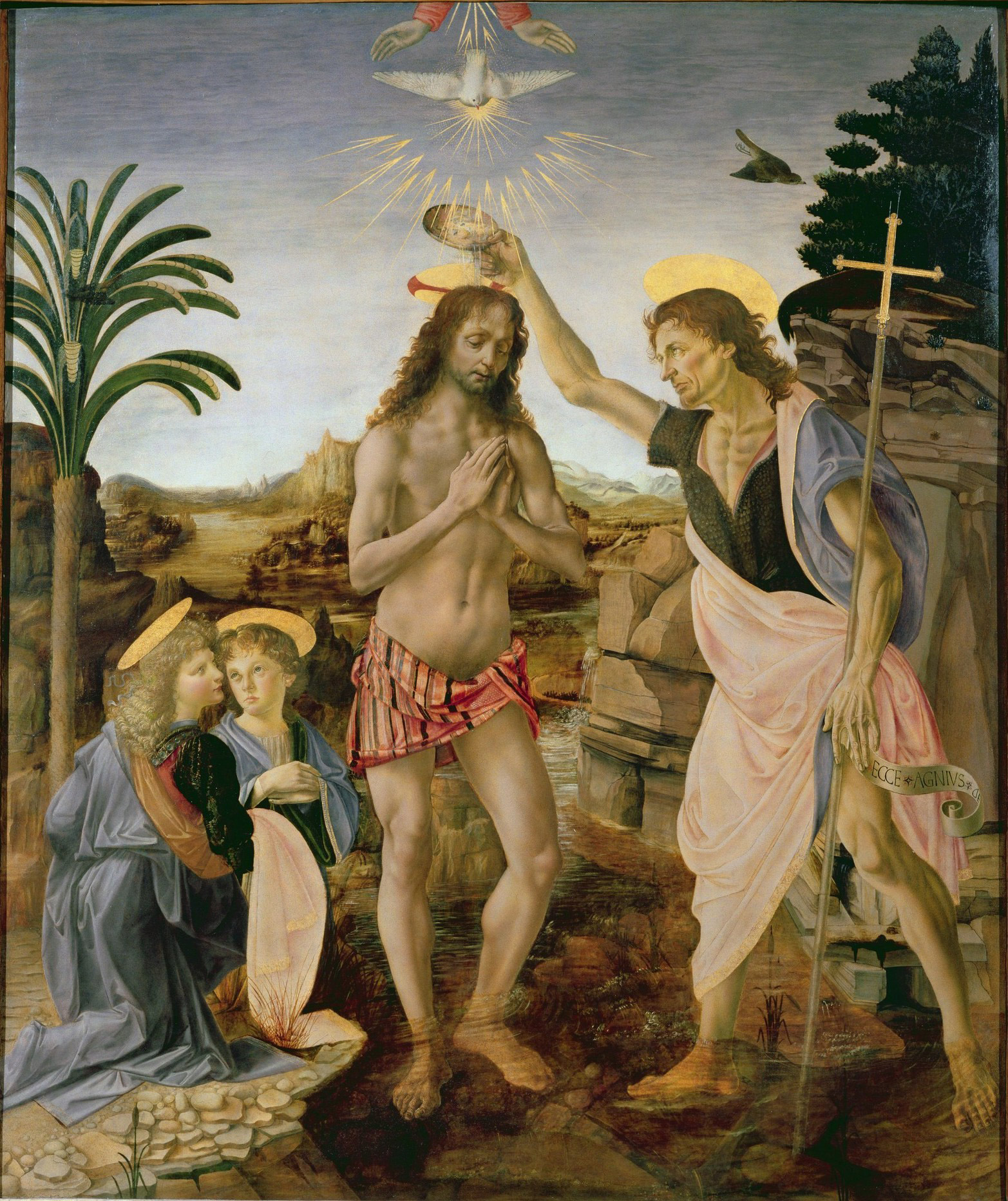
While learning and practicing the “normal” ways he was always thinking outside the box. In this painting *(Verrachio’s Baptism of Christ) note the difference between the angel on the left done by Leonardo compared to the one on the right. Note the inner emotion present and in the background also by Leonardo, you can see the beginnings of him continuously trying to show the connection between humans, nature, and spirit. Legend has it that upon seeing this work Verrachio throws down his brush as a sign of Leonardo’s superiority and does not paint again.
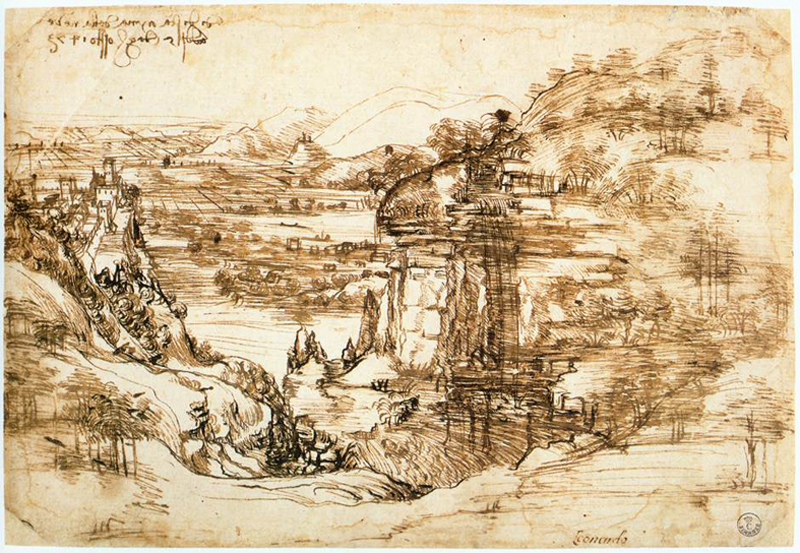
By the time Leonardo was 20 years old he was set up in his own studio and was living among the flourishing wave of Renaissance art and science. This drawing of the Arno River in Florence is one of his earliest works in 1473. Leonardo was not just an artist. Throughout his life, he kept notebooks thousands of pages long documenting his observations, thoughts, drawings, experiences, ideas, everyday notes, inner dialogues, and philosophical musings.
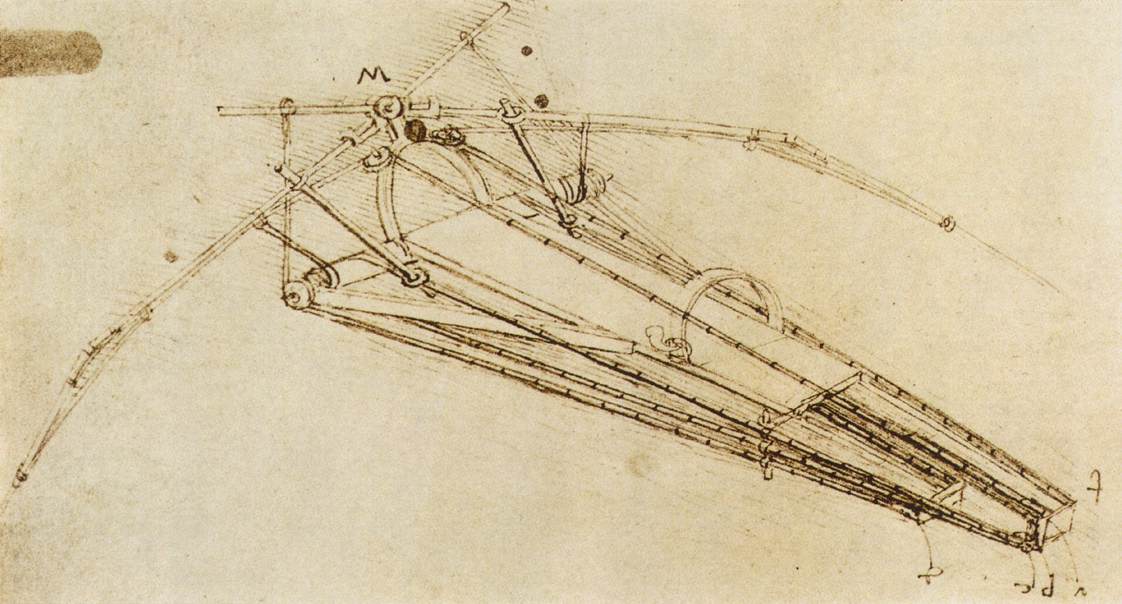
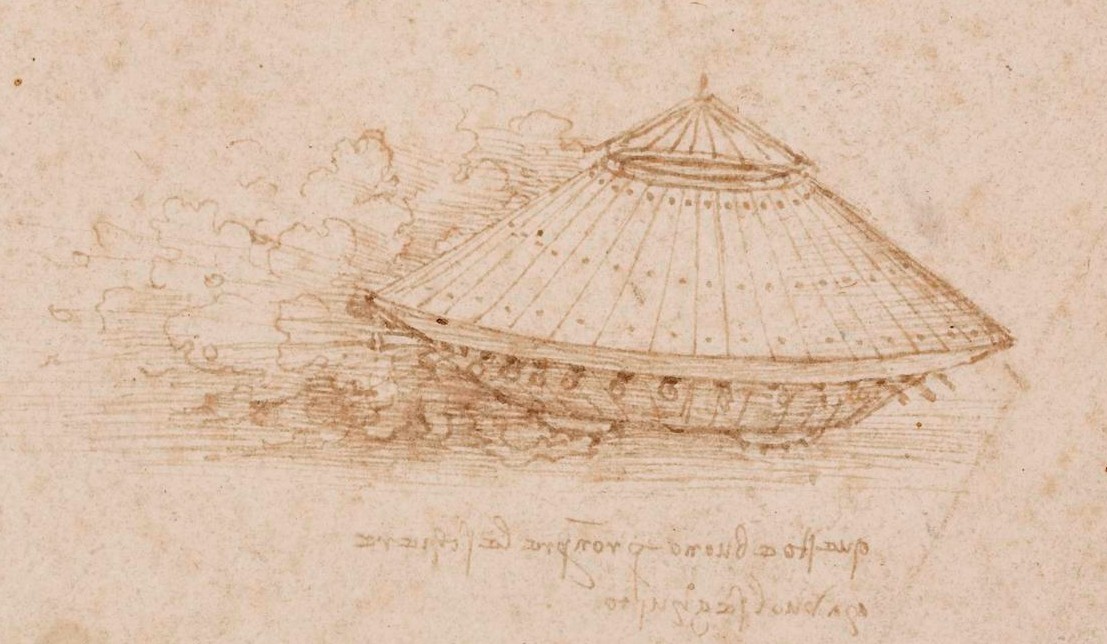
Perhaps his biggest legacy is building a bridge between the unscientific medieval ways of answering life’s mysteries and how things work which was controlled by dogma and ancient texts with what we associate today with the scientific method: observation, experimentation, and making connections. He tried to integrate art and science. The range of his curiosities and imagination is astonishing and many were way ahead of his time. Civil engineering, anatomy, botany, geology, astronomy, paleontology, aerodynamics, optics, tides, dams, pumps, bridges, water flow (diverting rivers), musical instruments, flying machines, self-driving cars, armored tanks, helicopters, parachutes and on and on… Recording things and making connections about unrelated things. The world as an interconnected web of knowledge.
In 1482 Leonardo wrote an 11-paragraph letter to Duke Ludovico Sforza of Milan mainly emphasizing his engineering capabilities promising to build war machines and help strengthen Milan’s defenses only mentioning his painting skills as an afterthought at the end. Later on, he plays the same role of military architect and engineer both for the ruler of Venice and in Rome under the employment of the Pope’s son, Cesare Borgia.
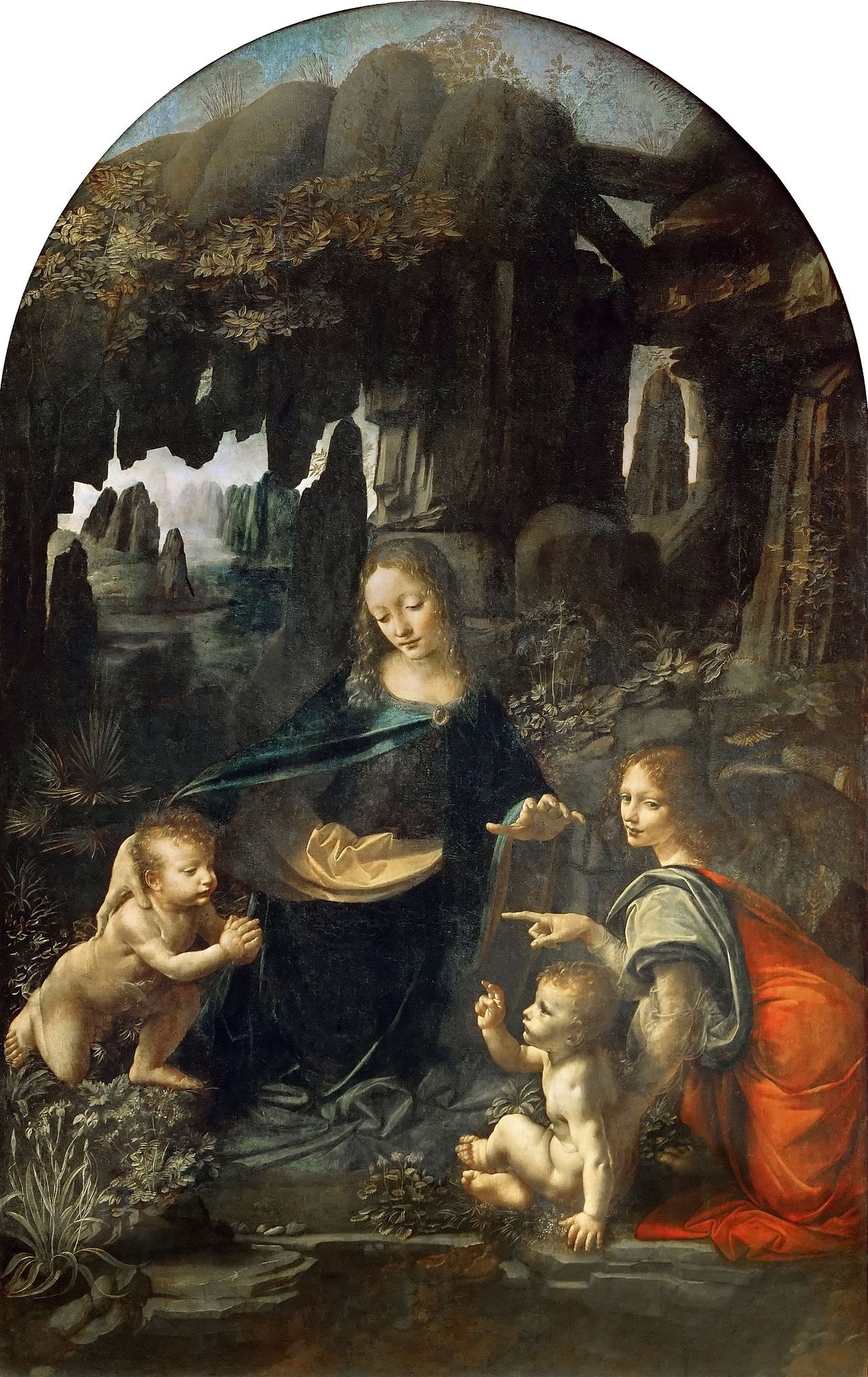
From 1482 to 1499 he was in Milan under the patron ship of Duke Sforza. 3 important works from this period are:
1)Virgin of the Rocks
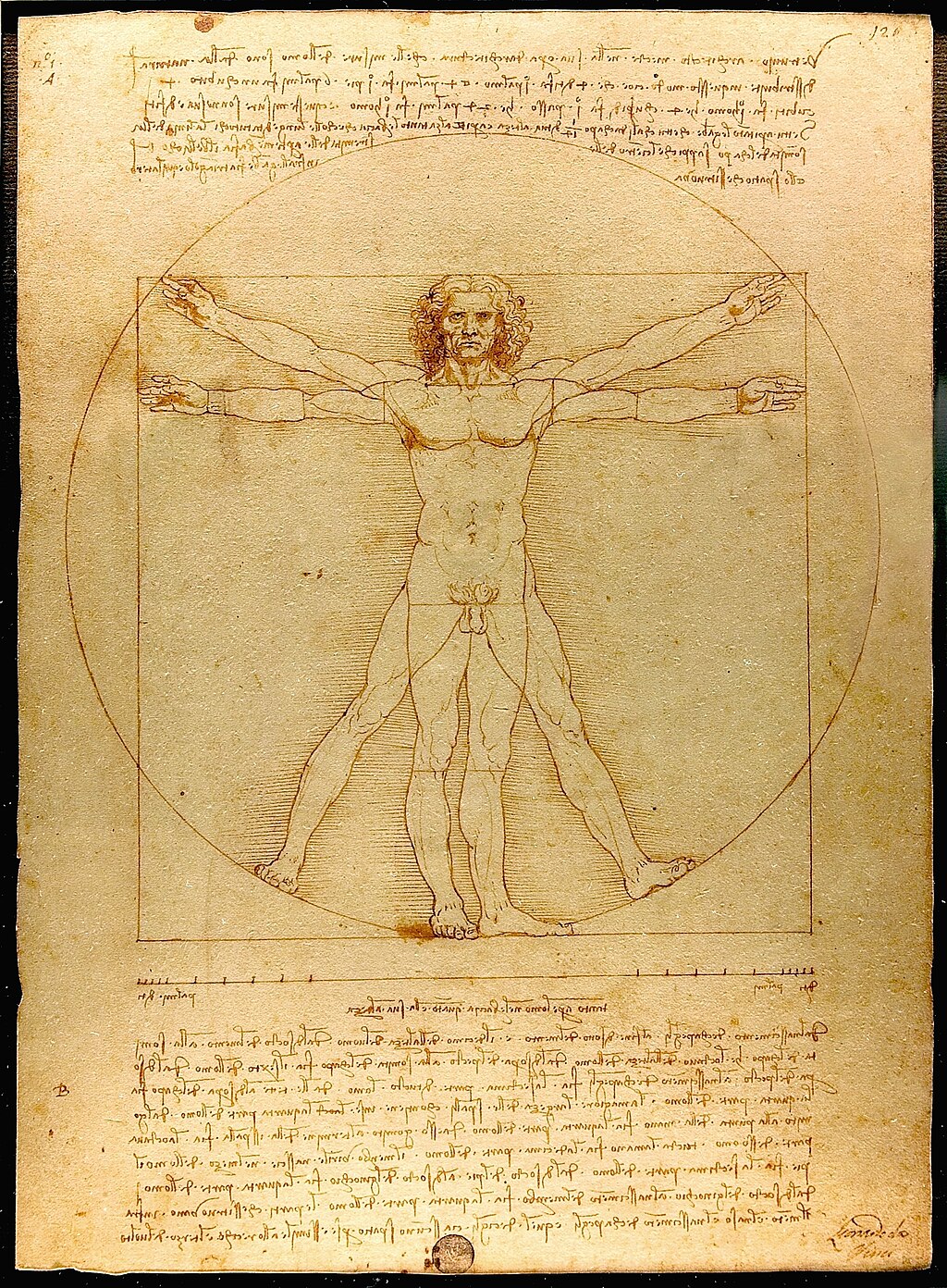
2)Man/nature/spirit connection and the problem of matching proportions brilliantly illustrated in the Vitruvian Man drawing in 1490. Could it be a self-portrait? Simply naked connected to the universe?
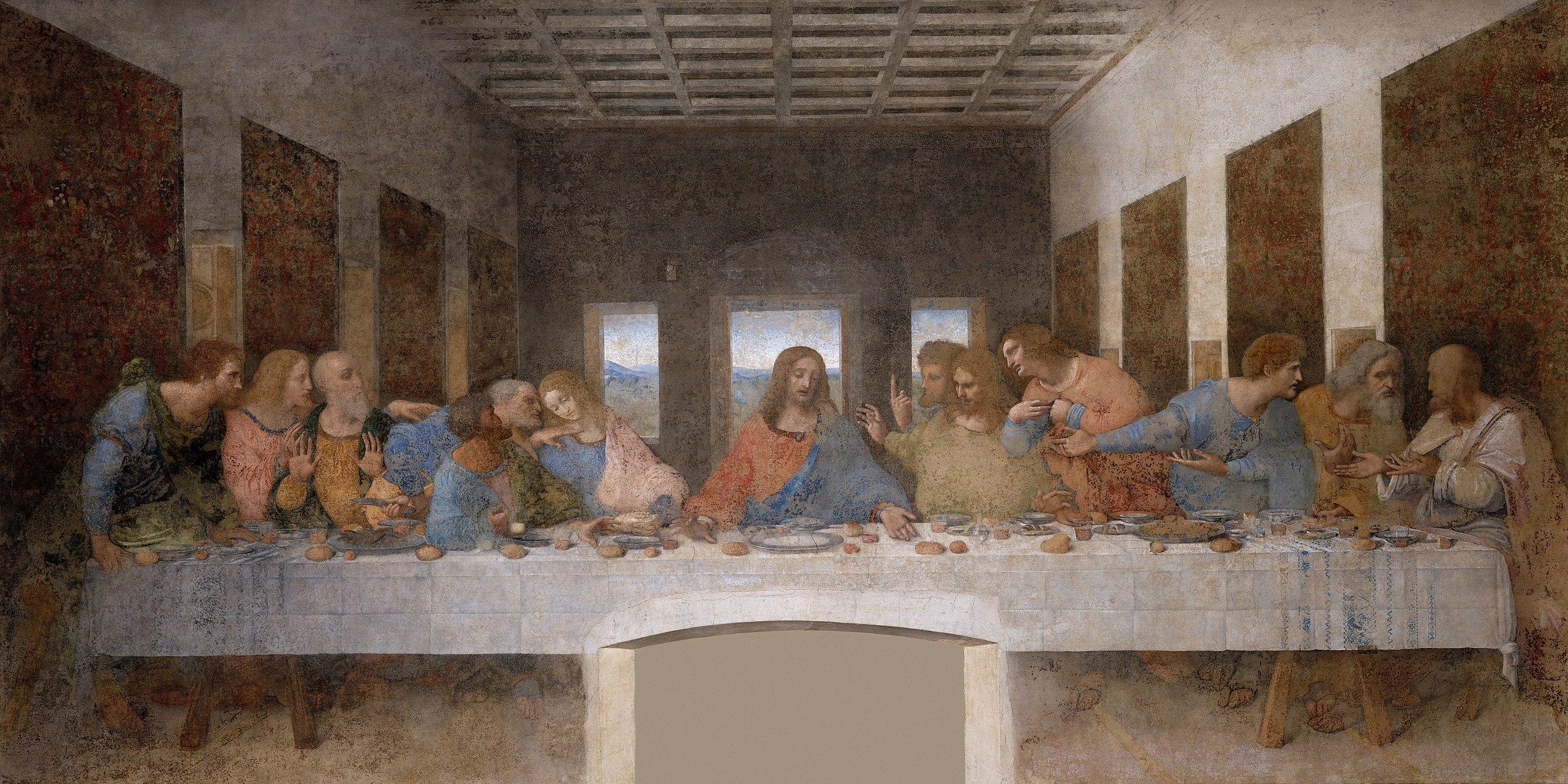
3) the most reproduced religious painting of all time: The Last Supper commissioned by the Monastery of Santa Maria delle Grazie to be painted in the monk’s dining hall. It depicts the drama after Jesus declares: “One of you will betray me.”
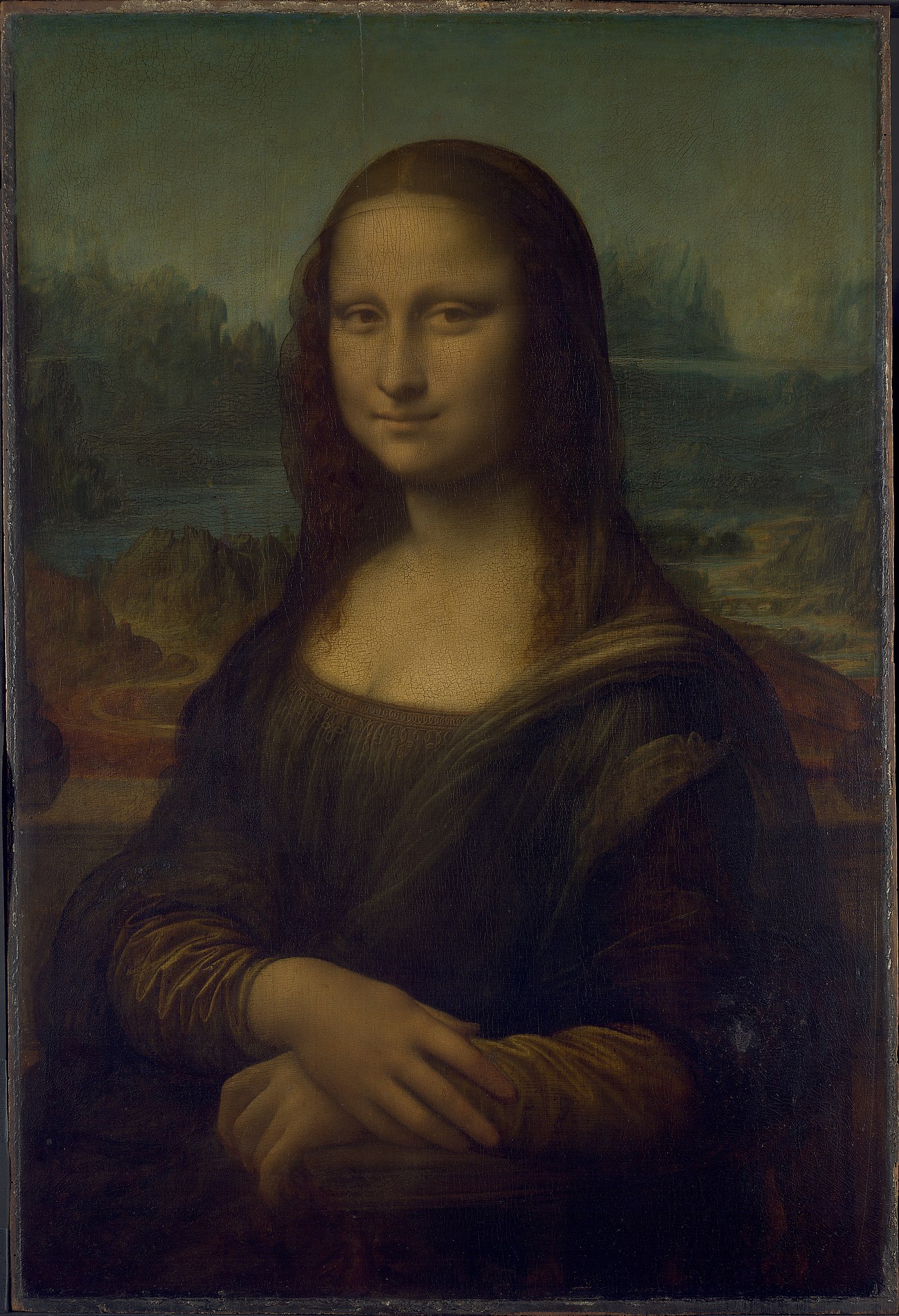
In 1503 back in Florence Leonardo started a certain painting that was still with him on his deathbed.
*So who was Mona Lisa (or Madam Lisa)? Is it the wife of a Florentine silk merchant, Lisa Gherardini/Madam Giocondo (La Gioconda in Italian or La Jaconde in French)? Is it just an idealization of beauty and womanhood coming out of Leonardo’s imagination? Is it one of his young male models in drag? Who is it? Why is there no records of a commission and why was it never delivered? And what about that enigmatic smile that has baffled millions of admirers? Look directly at the mouth and she is not smiling but with peripheral vision she is. On/off elusive
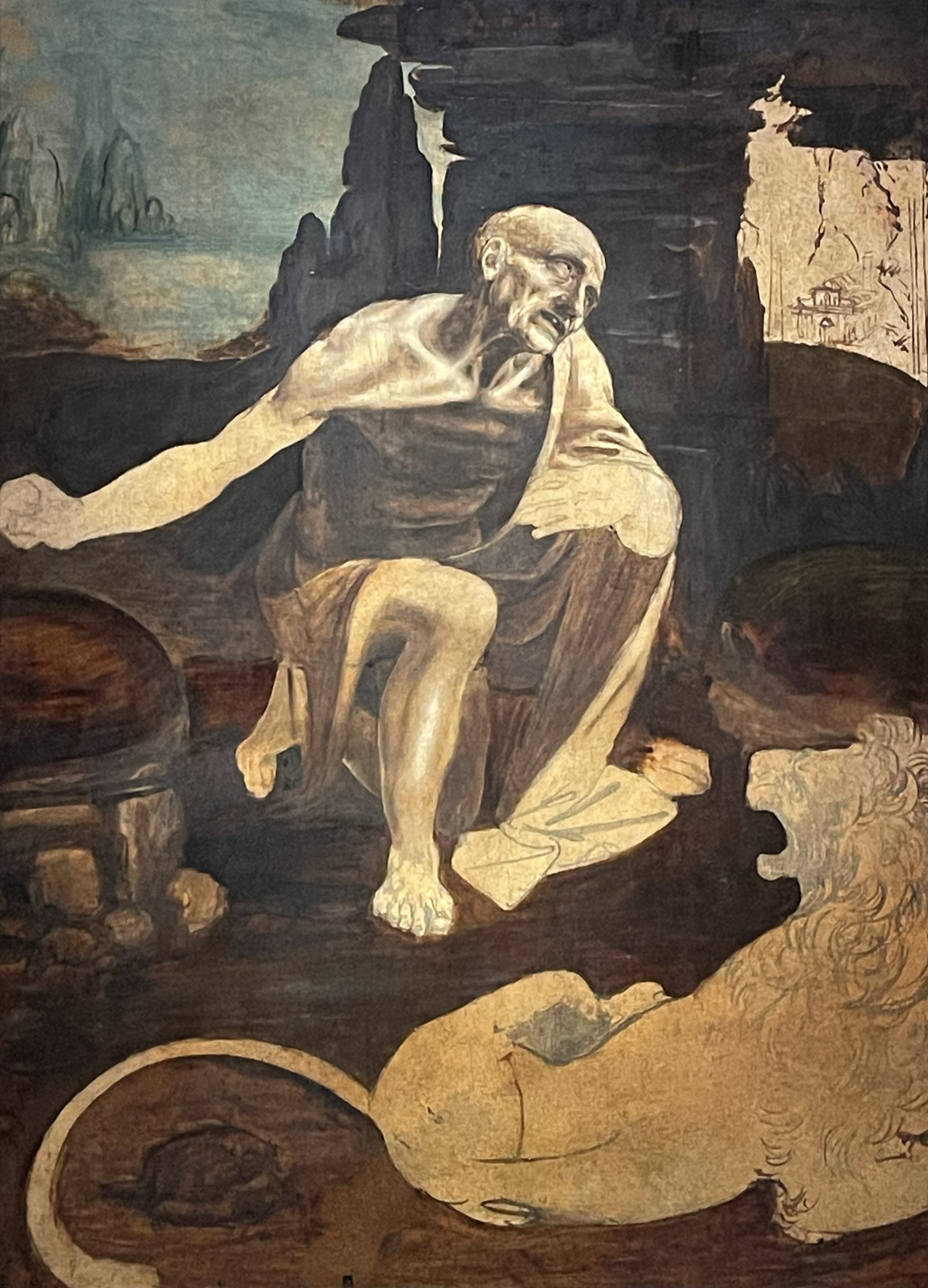
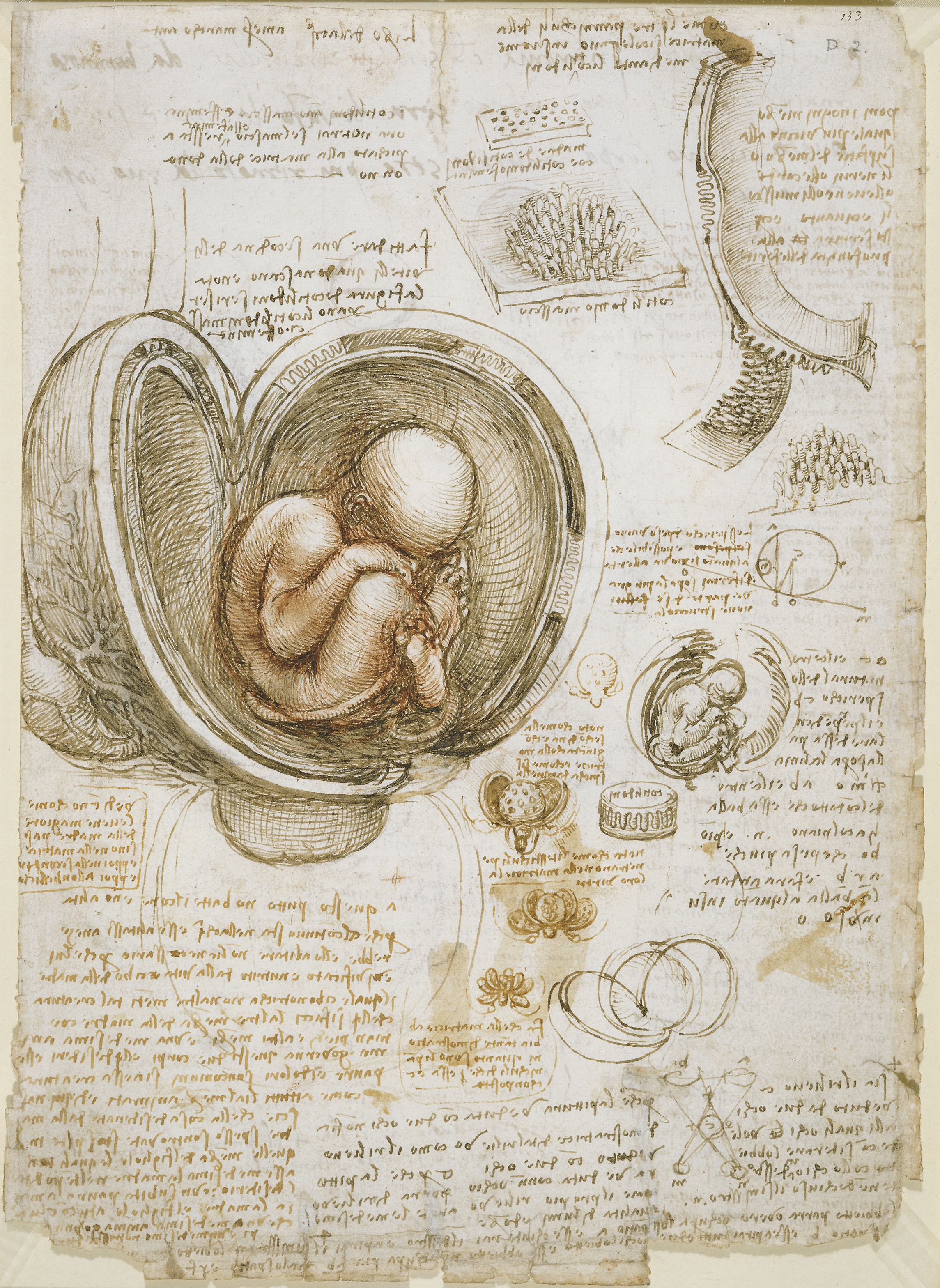
Leonardo is accused of being a procrastinator and leaving many of his work and commissions unfinished and many of his inventions left unrealized (although in modern times some have been tested and have held up very well). It seemed that if he could not get something just perfect he left it. Not to give up but to improve his skills and gain more knowledge before coming back to it to perfect it. For example, *St.Jerome to which he went back years later to fix the way the neck.. muscles are painted. After perfecting his knowledge of the human neck as the result of his numerous dissections of humans and animals. His observational approach to science is evident in these dissections and his drawings and exploration of body mechanics were revolutionary for his time (e.g. one of the first drawings of a fetus in a uterus).
Much mystery and myth surrounds this fascinating man and his work especially given his mostly secret private life. There are no records of any close relationships with women. His presumed homosexuality and very close relationships with especially two of his pupils the mischievous Salai and his main heir Melzi played a role in his art.
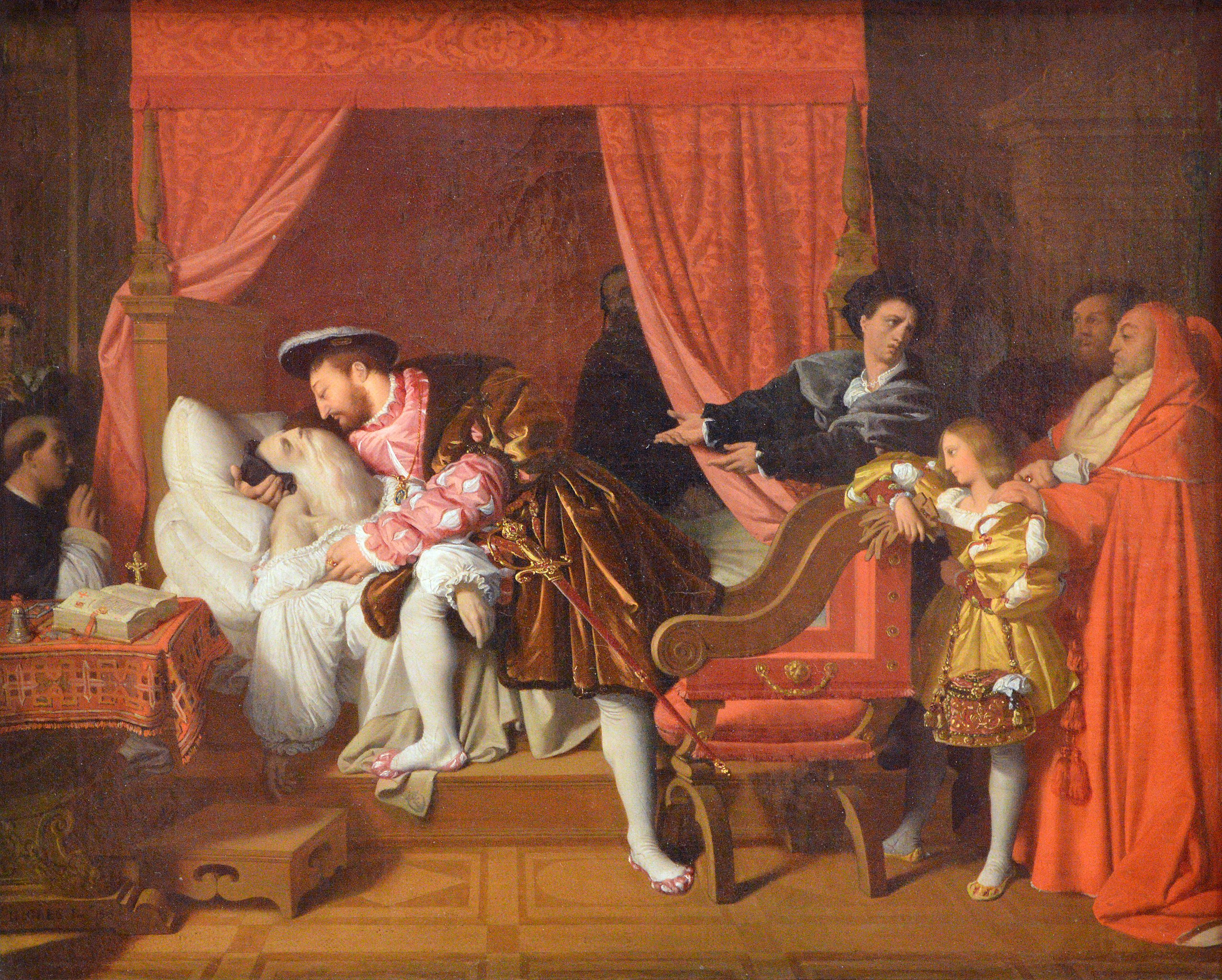
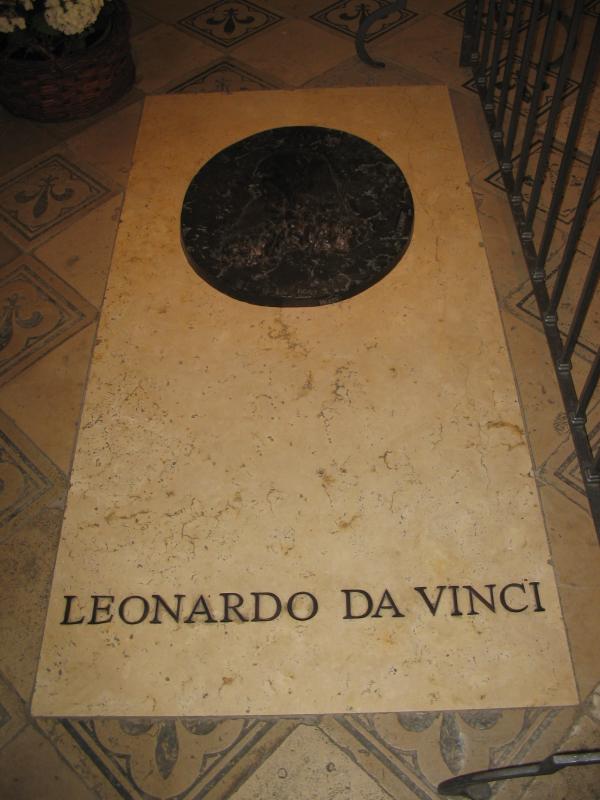
In 1515, Francis I the king of France asks Leonardo to join him in France and live in a manor house close to his Chateau d’Amboise. They become good friends and this is where he supposedly dies in the arms of the king. He is buried here and most of his belongings goes to his dear pupil Melzi.
Before his death, Leonardo declared “I shall survive.” You can talk forever about him and his extraordinary works, and some surprising facts. Did you know that he was a vegetarian that loved animals? He bought caged birds only to release them. Beautiful paintings, innovative techniques, scientific theories hundreds of years ahead of his time (gravity before Newton), etc. His legacy is beyond all that. His approach in understanding the world was groundbreaking. He wanted to integrate varying disciplines. Science and art do not oppose each other rather they complement one another. Seek knowledge to do useful things, pause to observe and notice, embrace the mystery.
Always be curious, seek out the blurred lines, and be illuminated.