Potato eaters, sunflowers, a yellow house, a mutilated ear, mental struggles, a loving brother, bursts of color and emotion, impasto, the swirling restless rhythms of a starry night, endless wheat fields, a tortured genius evolves into a global icon. You have seen the work of Vincent Van Gogh plastered on everything and perhaps know of his transformation from a poor artist who only sold 1 work during his lifetime to an icon whose work sells for over 100 million dollars today. But why does his story continue to captivate us over 135 years after his death? How did this tormented soul, often dismissed as a ‘madman,’ become one of history’s most celebrated geniuses? And in our hyper-connected, often chaotic world, what can Van Gogh still teach us about the fragile line between madness and brilliance? I am headed inside Vincent’s fascinating mind. Are you coming?
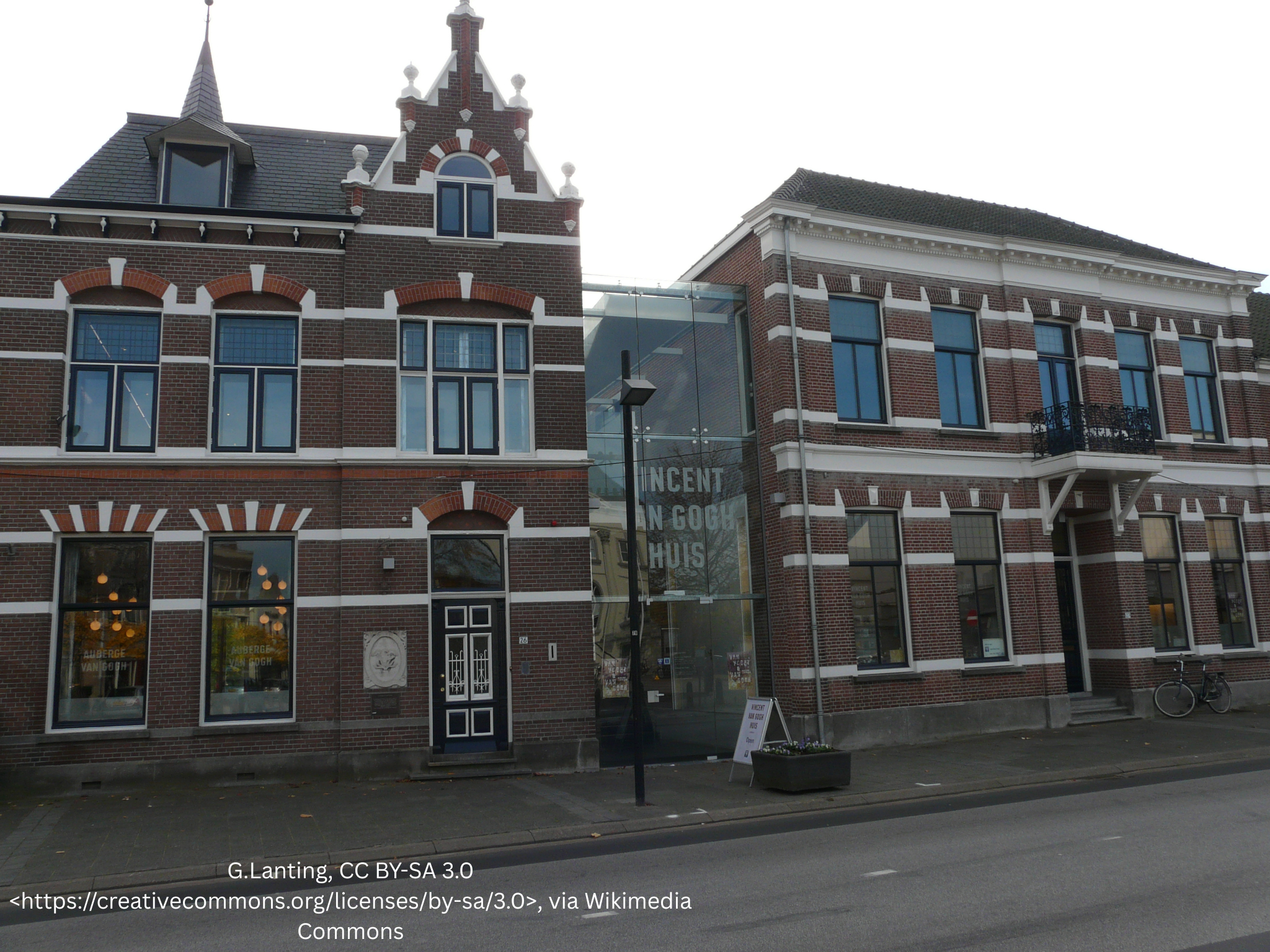
This story begins on March 30th of 1853 in the town of Zundert, Netherlands, as Vincent is born. He starts his erratic life journey, trying out various jobs such as an evangelist, teacher, art dealer, and so on, never fitting in the mold. He finally decides to follow his passion for art and paint, producing about 2100 pieces of art, including about 900 paintings over just 10 years (especially during his last 2 years of life). Despite his unorthodox nature and methods, his dedication and passion for his craft and commitment to learning and experimenting are extraordinary. He said, “I am seeking, I am striving, I am in it with all my heart.”
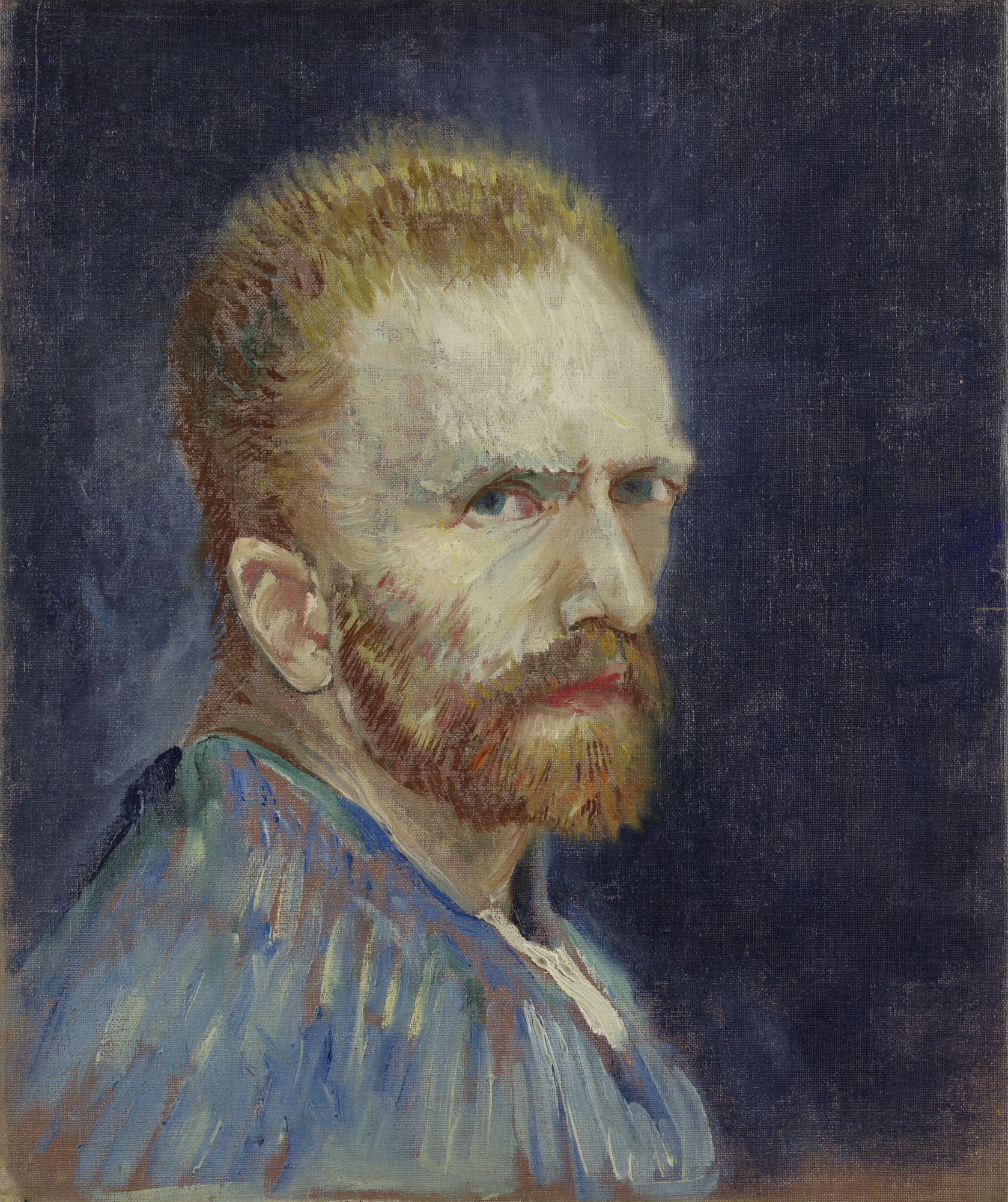
Perhaps the central theme of Van Gogh’s life and what has made him such a fascinating and relatable figure to every generation after is the interplay between his brilliance and mental health struggles, leading to a mythical “tortured artist, misunderstood genius” narrative. It is a tale of a man turning the battle with his inner chaos into enduring beauty. His life is filled with professional and romantic rejections, loneliness, poverty, and depression fueled by malnutrition, too much alcohol, and smoking. Modern theory diagnoses him as possibly having bipolar or borderline personality disorder, schizoaffective disorder, and temporal lobe epilepsy. Was his artistic output a result of this “madness”? Neither this nor the romanticized view of him as a tormented, misunderstood genius gives us the full picture. The intersection of the two is where we should seek out an answer. Let us make brief peeks into various stages of his life to try to understand his journey and his influence on the world today.
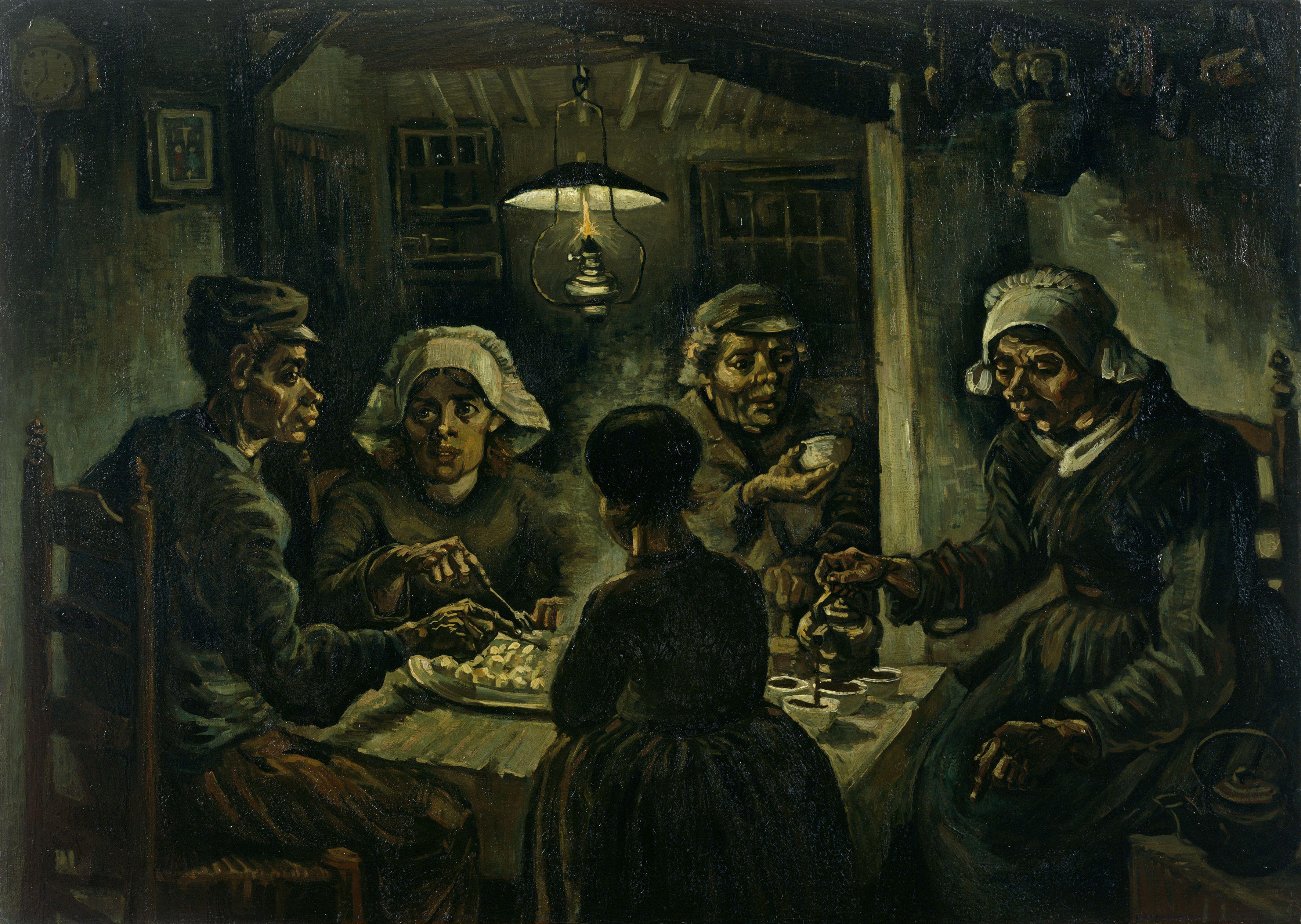
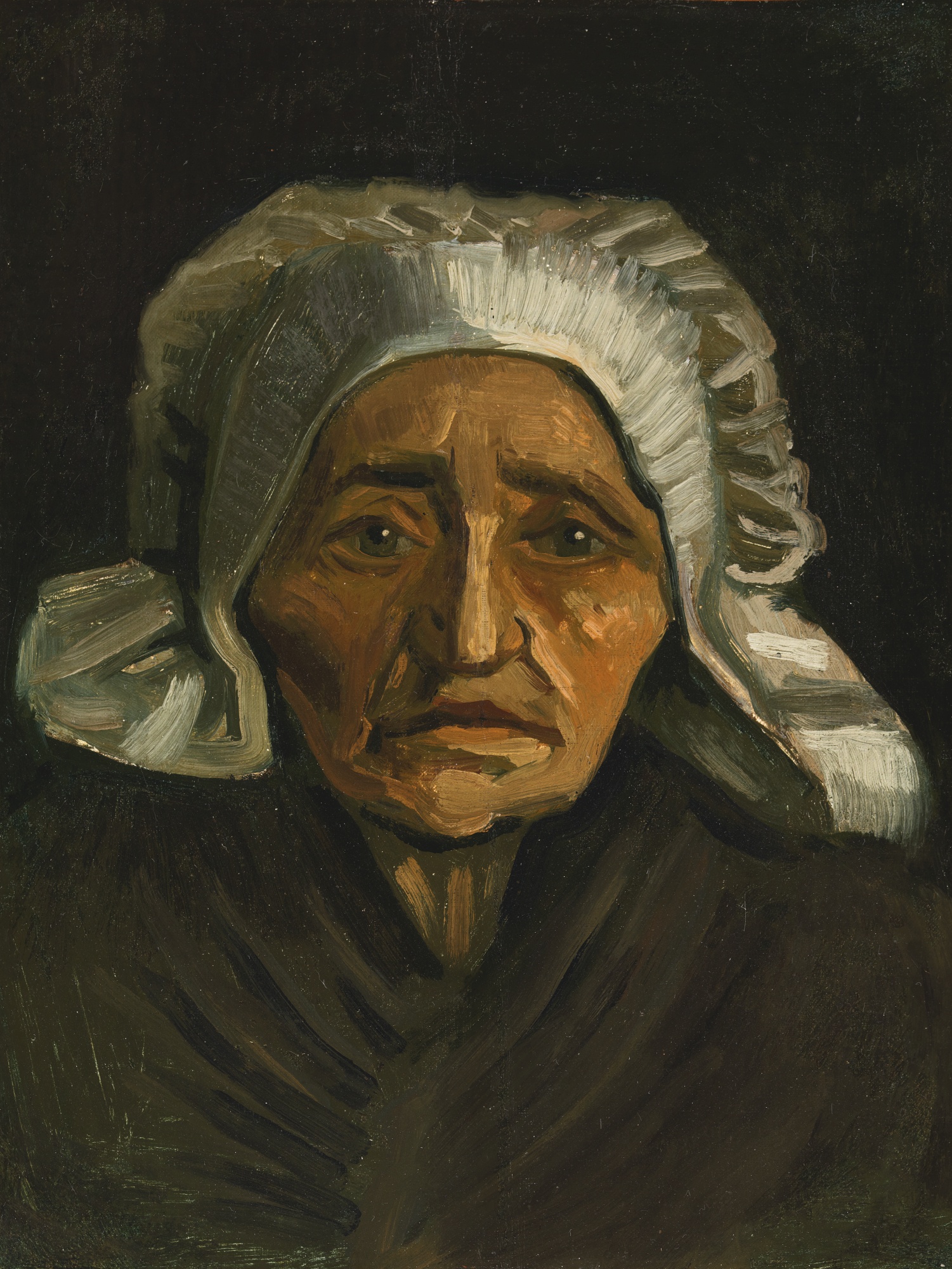
You are looking inside the dark, gloomy, brownish interior of a simple cottage. Under the low light of a single source of light, there is a table around which five humble members of a hard-working peasant family are gathered. One holds out a cup of tea as a lady gently pours for everyone. At the other end, you can see a big plate of potatoes, which they are all sharing. There is a sense of gloom, hardship, and struggle, but you feel the humanity, humility, and purity of these beings. This is Van Gogh’s 1885 painting the “The Potato Eaters.” Throughout his life, Van Gogh showed great interest in ordinary people and objects, portraiture, and the beauty of nature and rural life. Whether showing the unspoiled, natural state of peasant life, or in the physical and mental contours of a portrait, or the beauty and complexity of nature, he brought emotional depth and dignity to the ordinary. He sought out nature as a source of inspiration and solace.
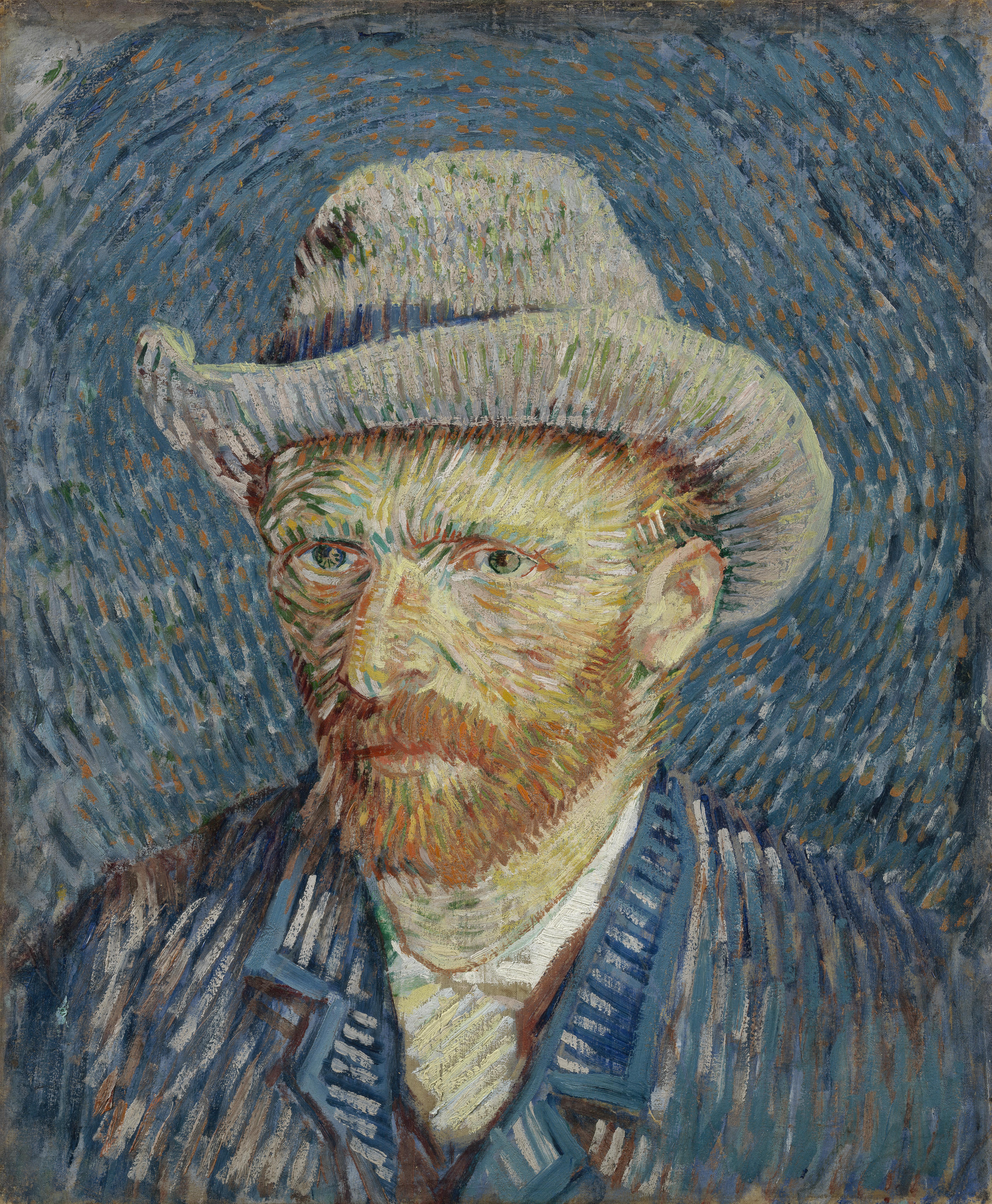
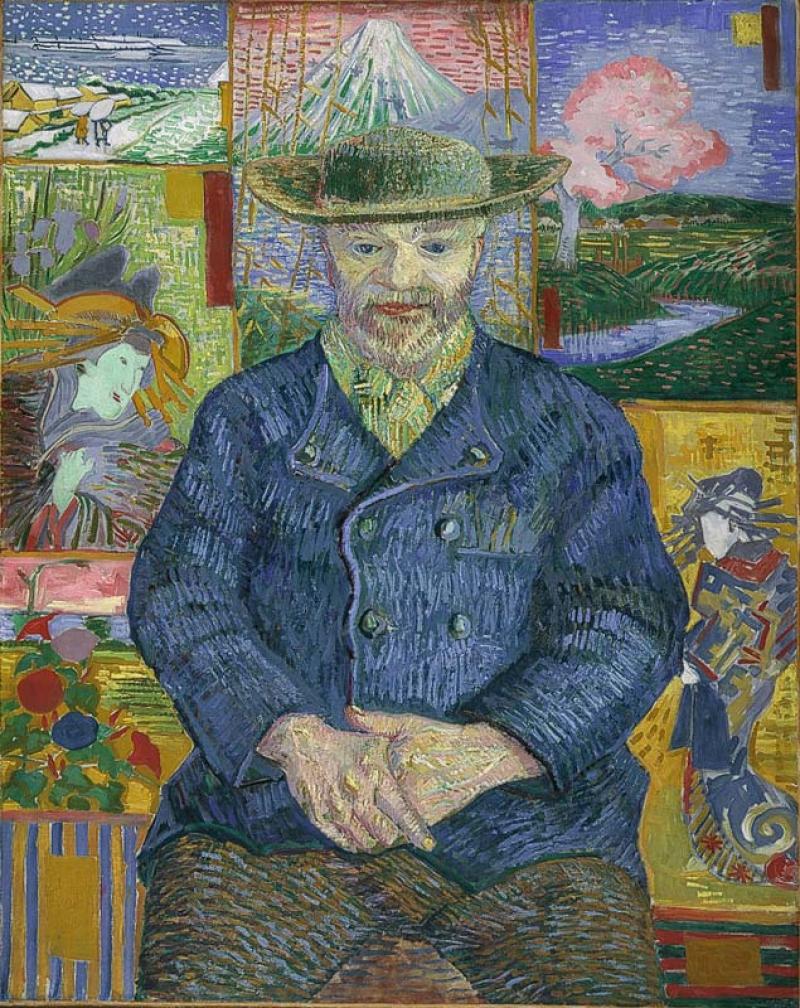
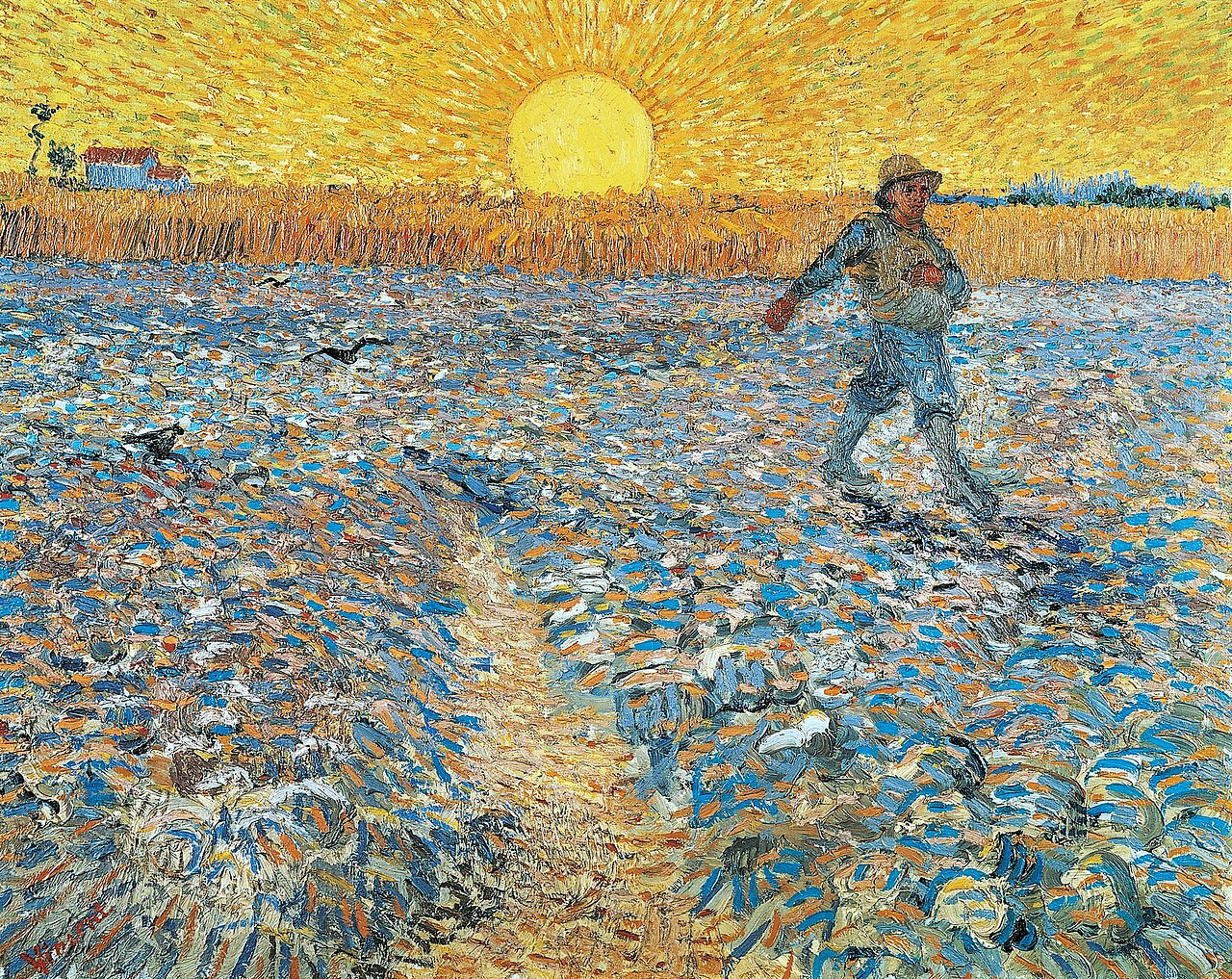
In 1886, Van Gogh moved to Paris to be closer to his brother Theo and became immersed in the art scene of the day, mostly dominated by post-impressionists, and his color palette exploded. A main key to Van Gogh’s generational appeal and relatability is how his paintings are a gateway to his passionate and turbulent inner world. Vivid colors and expressive thick impasto brush work, going beyond observation and reality to express inner commotions. Art critic, Roger Fry, wrote that his work gives “an expression in paint for the desperate violence of his spiritual hunger.” And Van Gogh himself states: “I dream of painting, and then I paint my dream.” Emotional authenticity and the relatable nature of his many life struggles connect us to his story as human beings trying to survive the ups and downs of our lives.
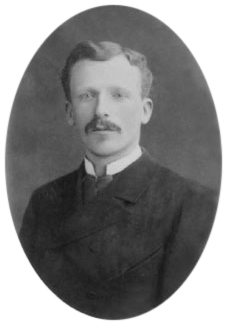
At this point, we should mention the pivotal role played by Theo, Vincent’s brother, financial supporter, and confidant. His emotional care and financial help were crucial in keeping Vincent afloat. Another huge factor that has helped us better relate to and understand Vincent’s psyche is the survival of a number of letters he wrote throughout his lifetime, mostly to Theo. With their evocative style and vivid language, they give us an inside look into his day to day thoughts, emotions, and creative process. The publication of these letters years after he had died in 1914 under the guidance of his sister-in-law, Johanna Van Gogh Bonger (Theo’s wife), greatly enhanced his legacy, fame, and myth of the struggling artist.
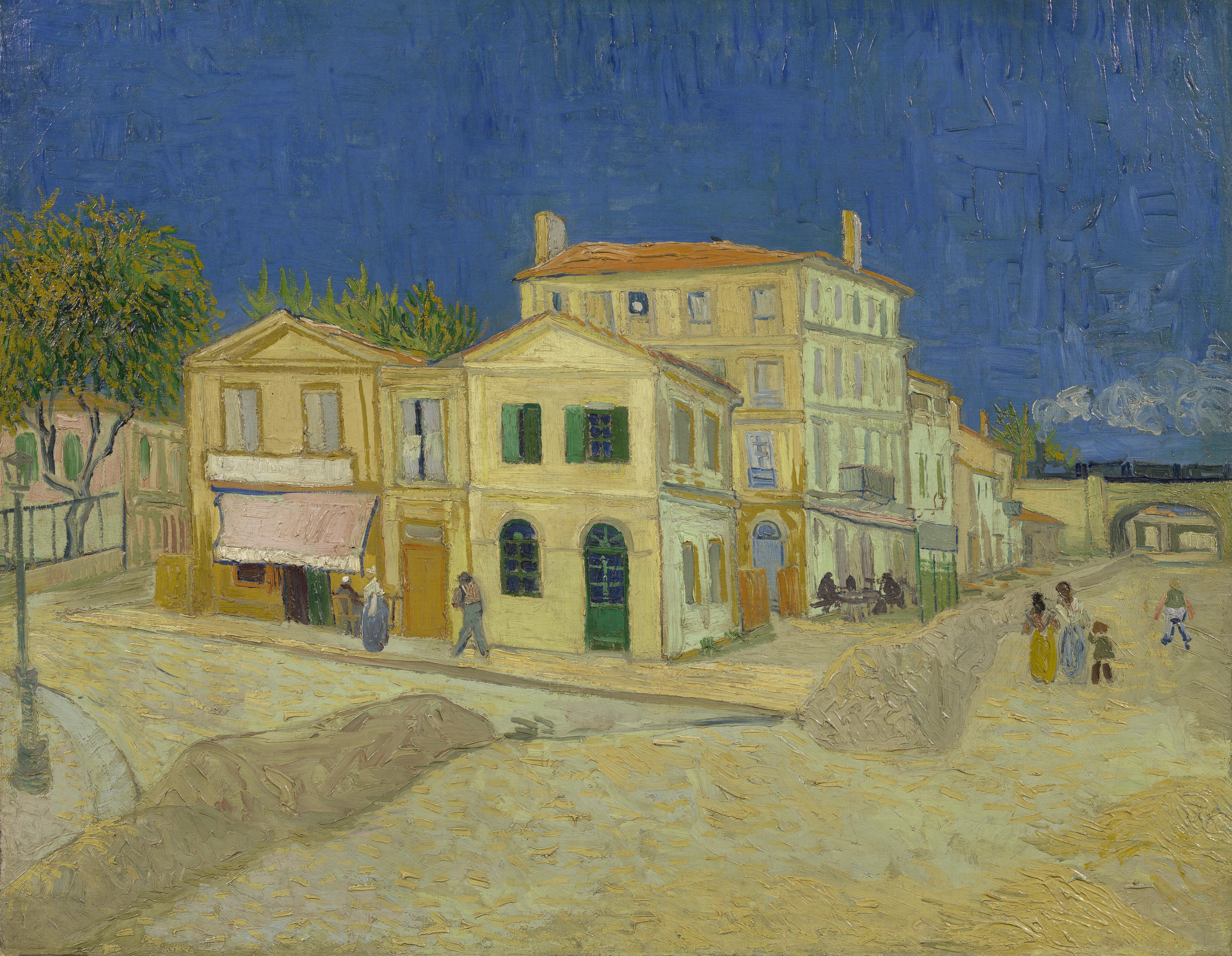
Vincent’s restless soul eventually felt overwhelmed in Paris, and he left for the comforts of the countryside to Arles in the south of France in 1888. In Arles, Van Gogh is energized by the light and the countryside, entering a feverish creative zone fueled by his hopes of creating a collaborative, Utopian-like artist colony. He invites his friend Paul Gaugin to join him there in the yellow house he is so passionately painting canvases to decorate. Let your imagination briefly take flight to Arles as we witness the calm before the storm.

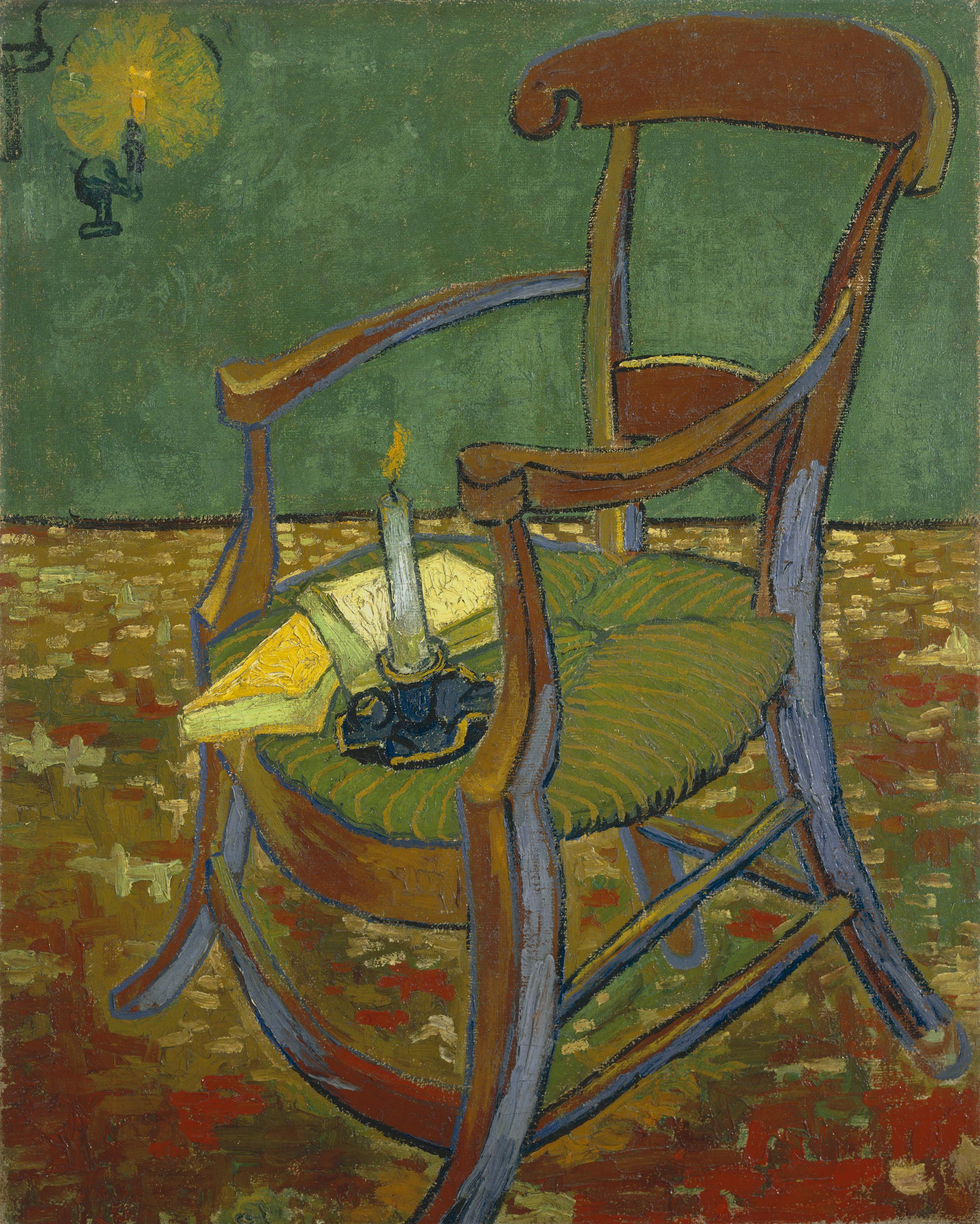
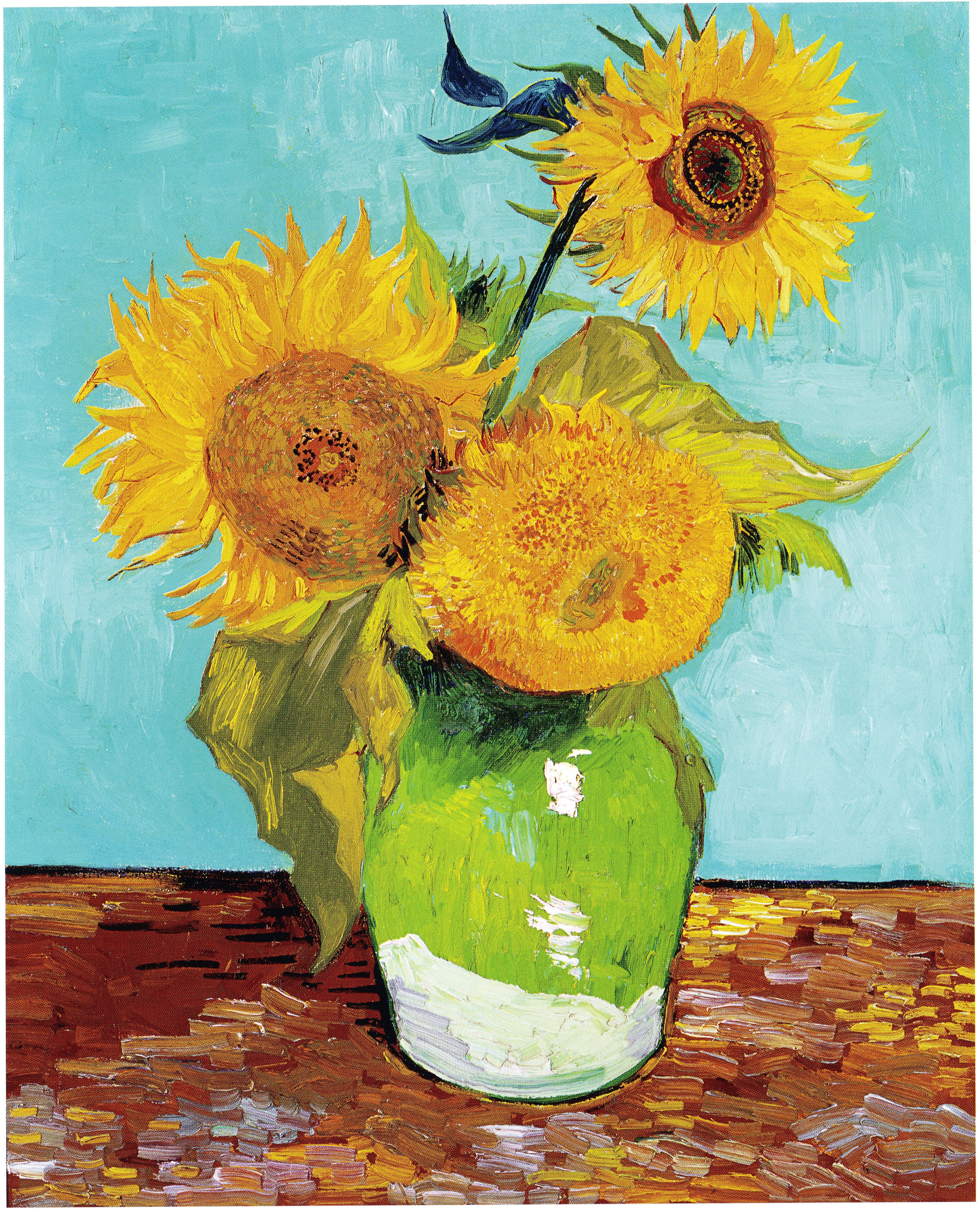
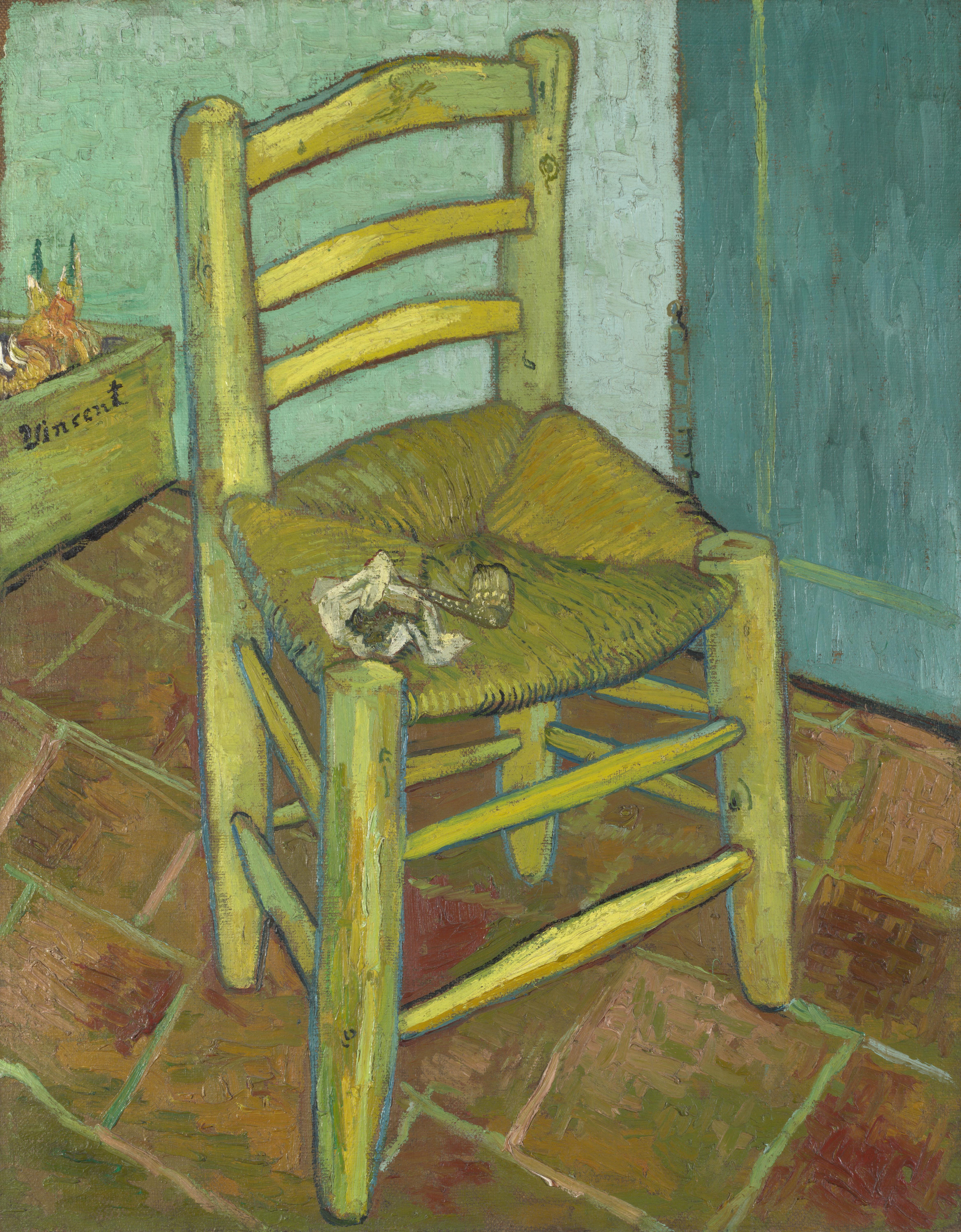
We are now in a beautiful wheat field in Arles. It is early evening during autumn. The fields are full of people at work as the brilliant seasonal colors of red and yellow pop out at you, and the yellow of the sun reflects in the flowing river nearby. Postmaster Joseph is talking to his friend, a serious-looking man holding a canvas and some painting equipment- Vincent, who can barely contain his excitement about the arrival of a friend he admires. They walk out together towards the painter’s yellow house. Inside the house, you see beautiful paintings of sunflowers and also notice two chairs. The simpler chair with the pipe and tobacco on top belongs to the painter himself, Vincent. The other chair with the books and candle belongs to his friend Paul, another painter.
But Vincent’s manic energy is already showing cracks. He’s been painting with fevered intensity, barely eating, living on coffee and cigarettes. His letters to Theo reveal mounting anxiety: "I am so eager to show him what I’ve prepared… but I fear I am not worthy of such a great artist."
What will transpire in those fateful 9 weeks when these 2 masters meet?
How does the vivid yellow of hopeful creation turn into the fragile gloom of a mutilated ear? Please stay with us for part 2 of this story.
Always be curious, seek out the blurred lines, and be illuminated.