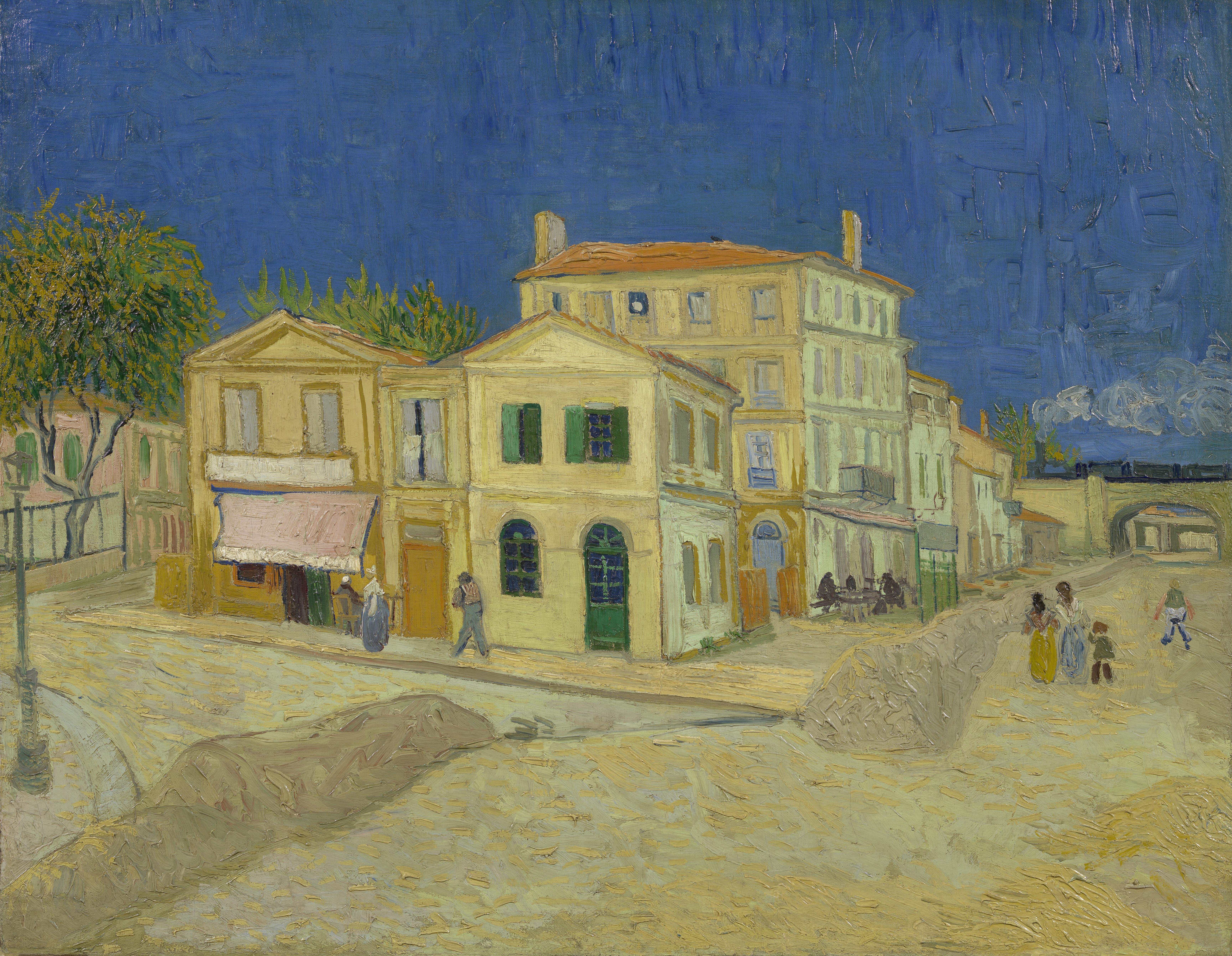
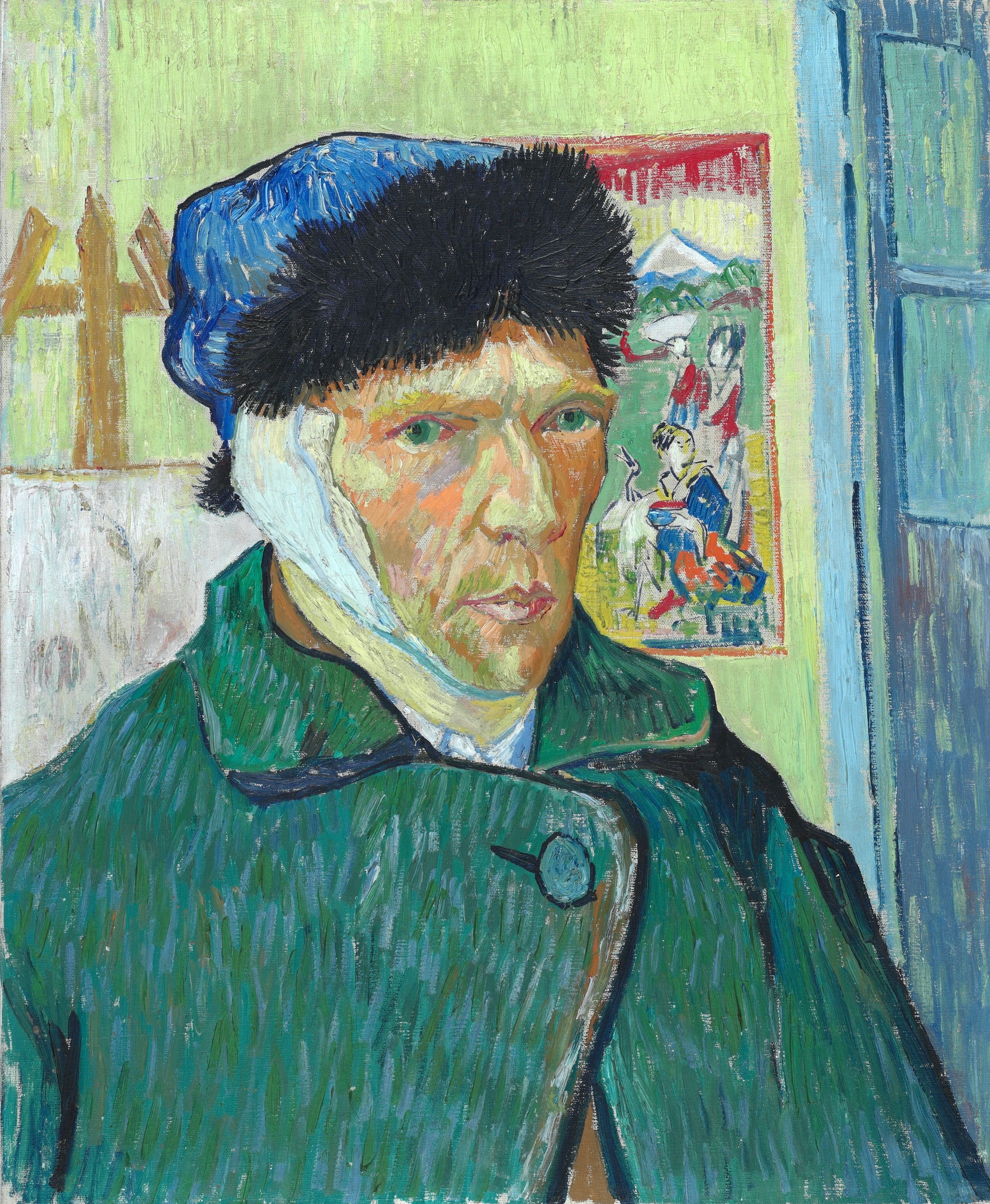
At the end of part 1, we left Vincent Van Gogh in his yellow house, vibrant in his hopes for creating a utopian artistic colony in Arles in the south of France. The arrival of Paul Gauguin was meant to be the realization of that dream, and we will briefly touch on those 9 weeks leading up to the infamous ear incident, a source of future notoriety for Van Gogh. While a dramatic exclamation point, the incident is only one moment in Vincent’s relentless journey. How did he channel this intense inner turmoil, this so-called ‘madness,’ into works of enduring genius that would follow? And how does a man so tormented continue to illuminate our world today? Was it despite his suffering, or somehow because of it, that his genius burned so brightly in those final months? The story of Vincent’s final, prolific years and his enduring legacy is next
.
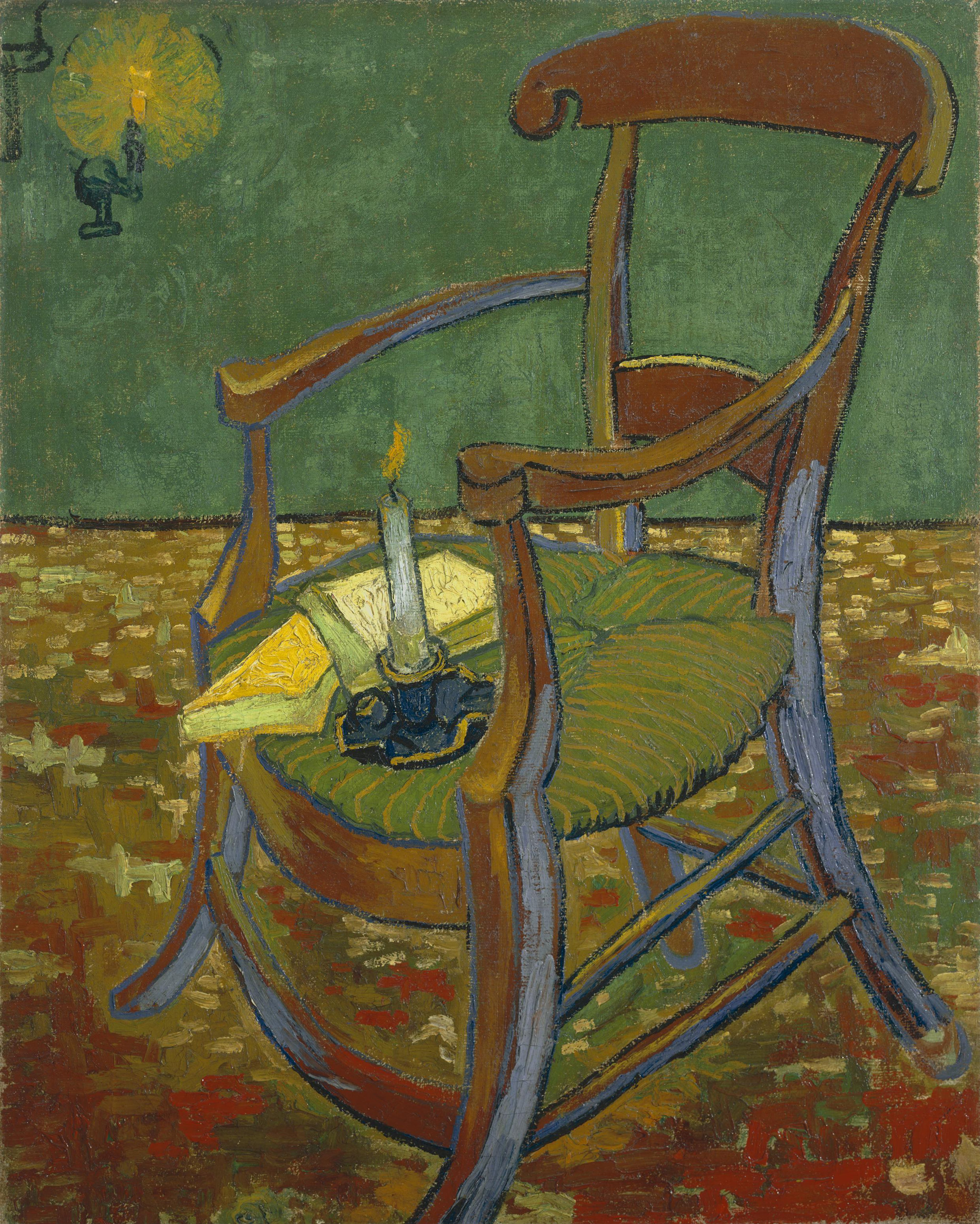
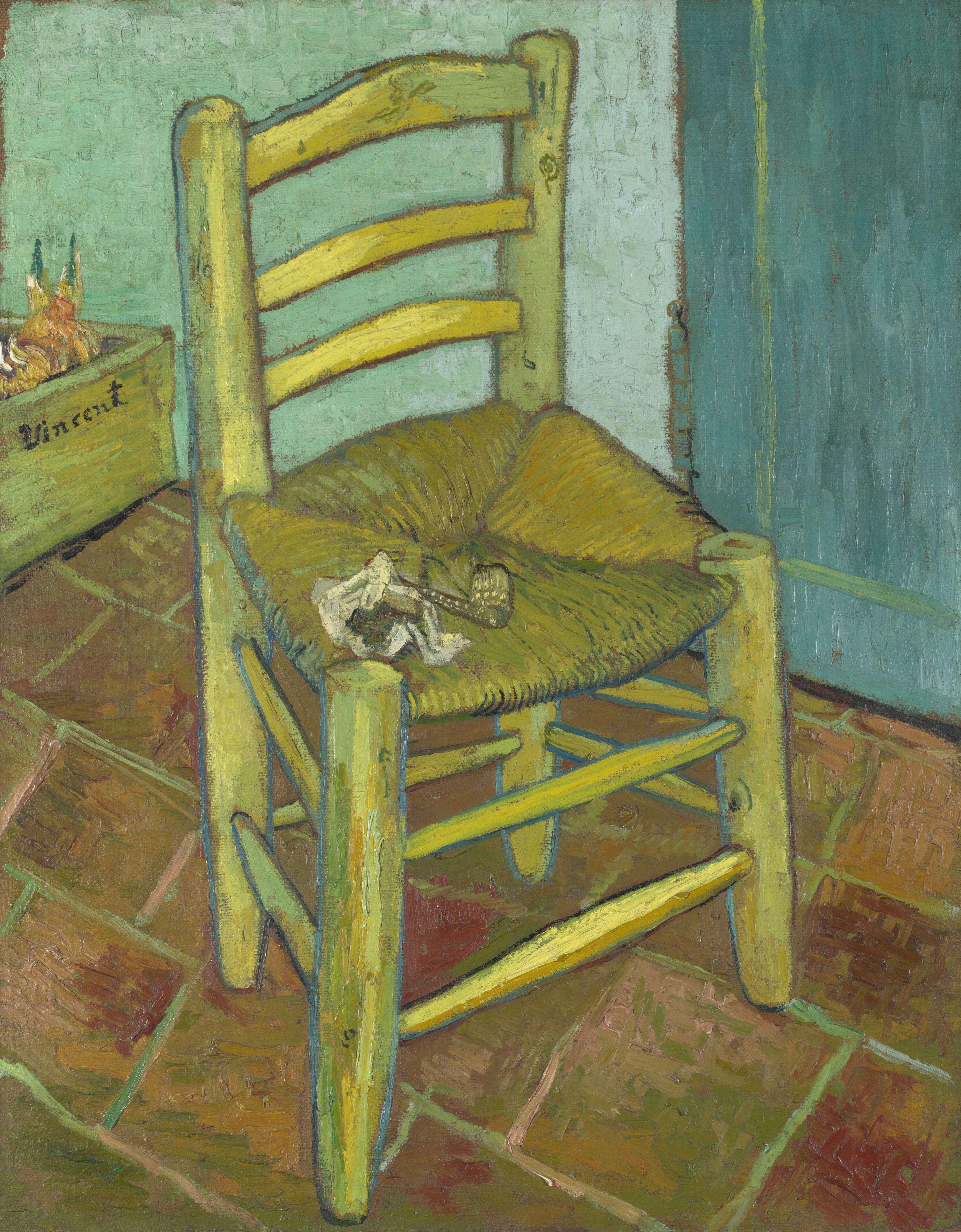
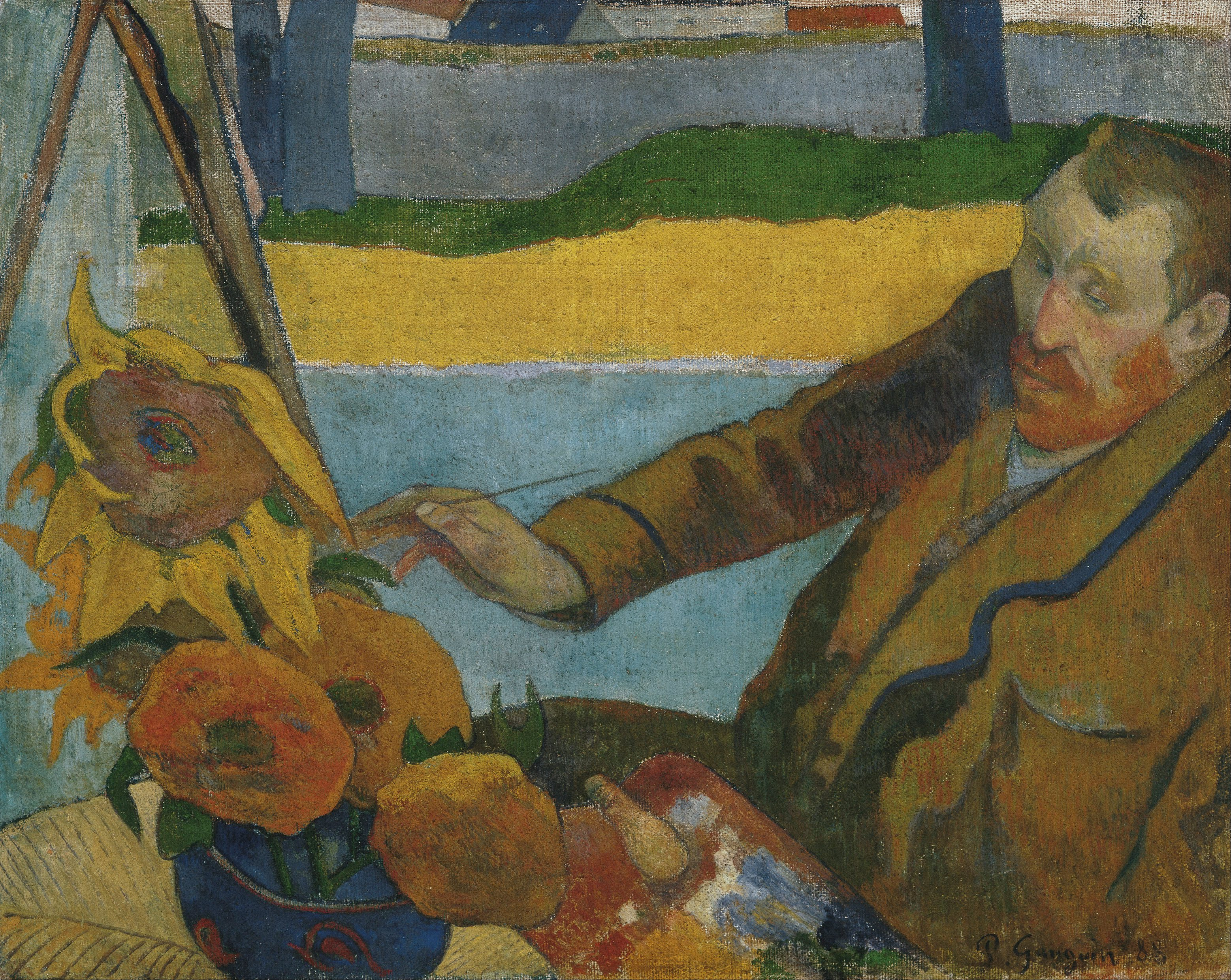
In October 1888, Paul Gauguin arrived in Arles and stayed with Van Gogh in the rented yellow house. In the beginning, the collaboration appears to go well as they paint together, and discuss and influence one another. However, soon their artistic temperaments began to clash. Van Gogh liked to paint from the reality of nature, while Gauguin showed a preference for drawing from his imagination and memory. Van Gogh sought to be treated as an equal, while Gauguin’s nature was somewhat arrogant and domineering. So the initially fruitful collaboration turned sour. The conflict climaxed on the night of December 23rd, when, after a heated argument and according to a later account from Gauguin, Van Gogh tried to attack him in the street with a razor. Again, according to Gauguin’s account, Van Gogh returned to the house, but Gauguin, worried for his safety, did not go back to the house and went to a hotel instead. This is when Van Gogh, who, according to the hospital diagnosis was suffering from “acute mania with generalized delirium” decides to cut off his ear, wrap it up in paper, take it to the local brothel, hand it over while telling them to take care of it, come home and crash. He was found unconscious at home the next morning by the police and taken to the hospital. His caring brother, Theo, arrives at his bedside on Christmas Day. At the hospital, Van Gogh asks for Gauguin, but he does not come and leaves for Paris the next day. These artistic giants were never to meet again, although they did have some correspondence. This climactic event and Vincent’s horrible mental breakdown were the beginning of an intense final 2 years of life, where we paradoxically see so much pain coexisting with such prolific output of beautiful, emotionally charged masterpieces, including perhaps his most famous work, “Starry Night”.
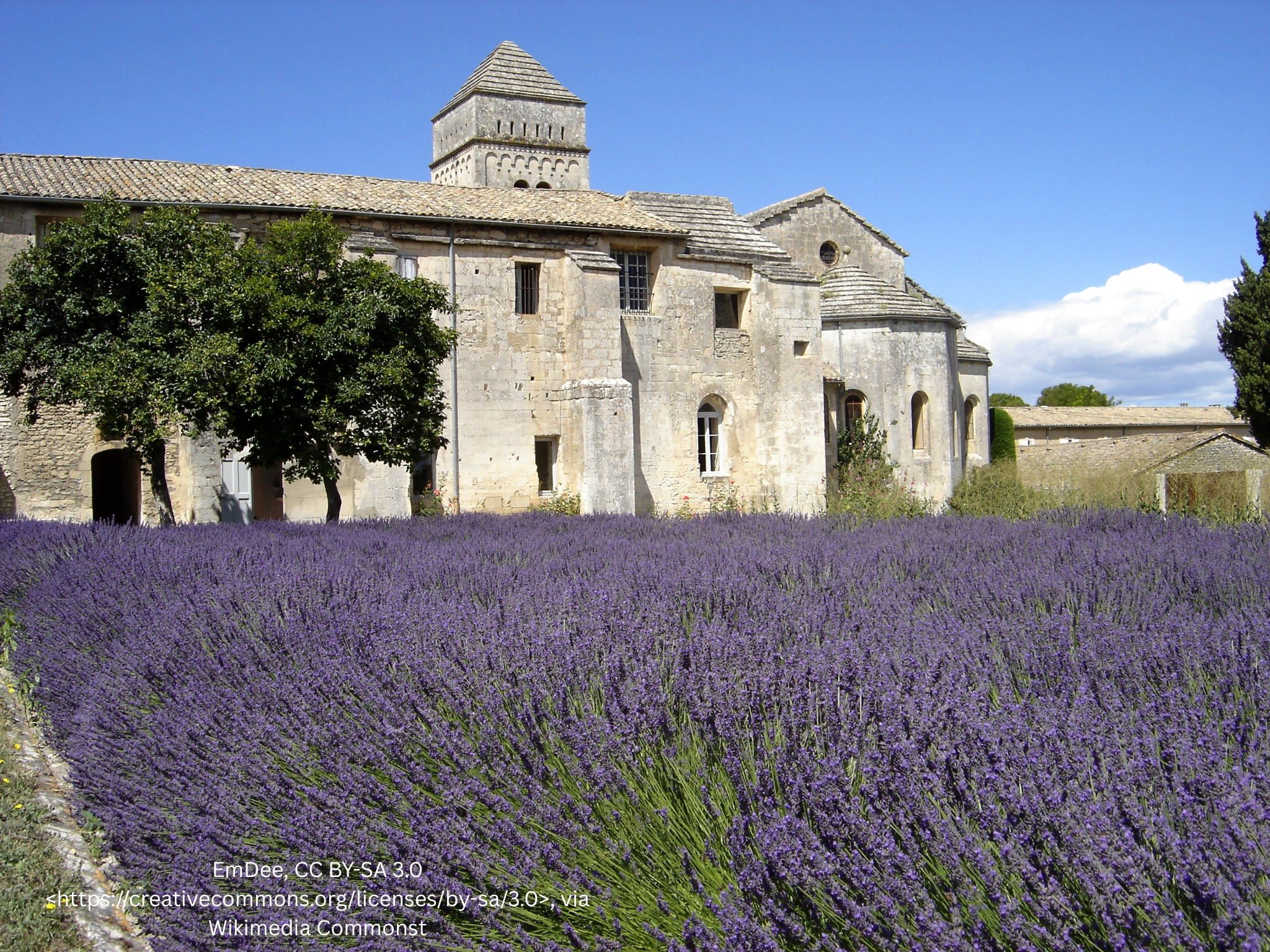
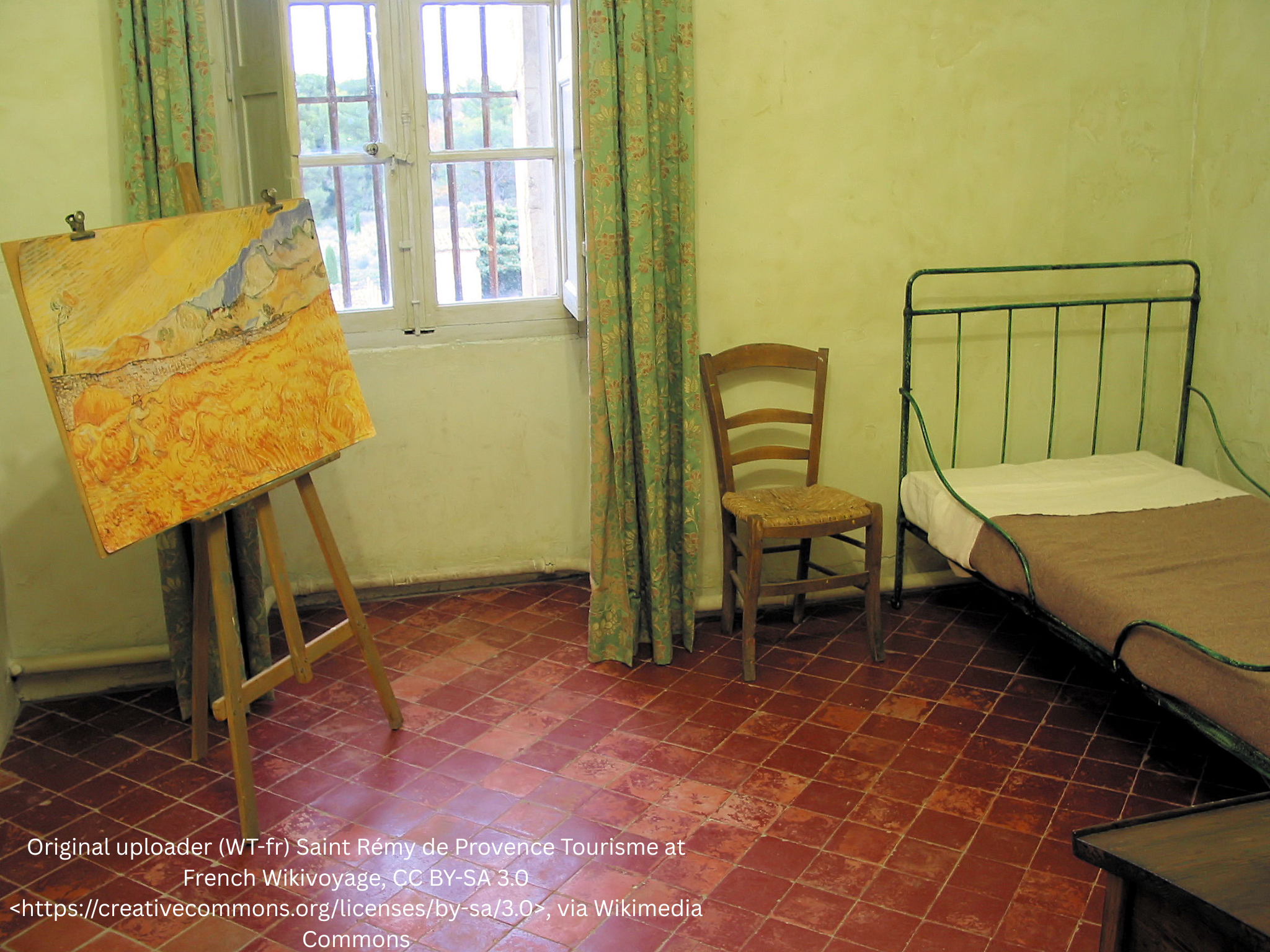
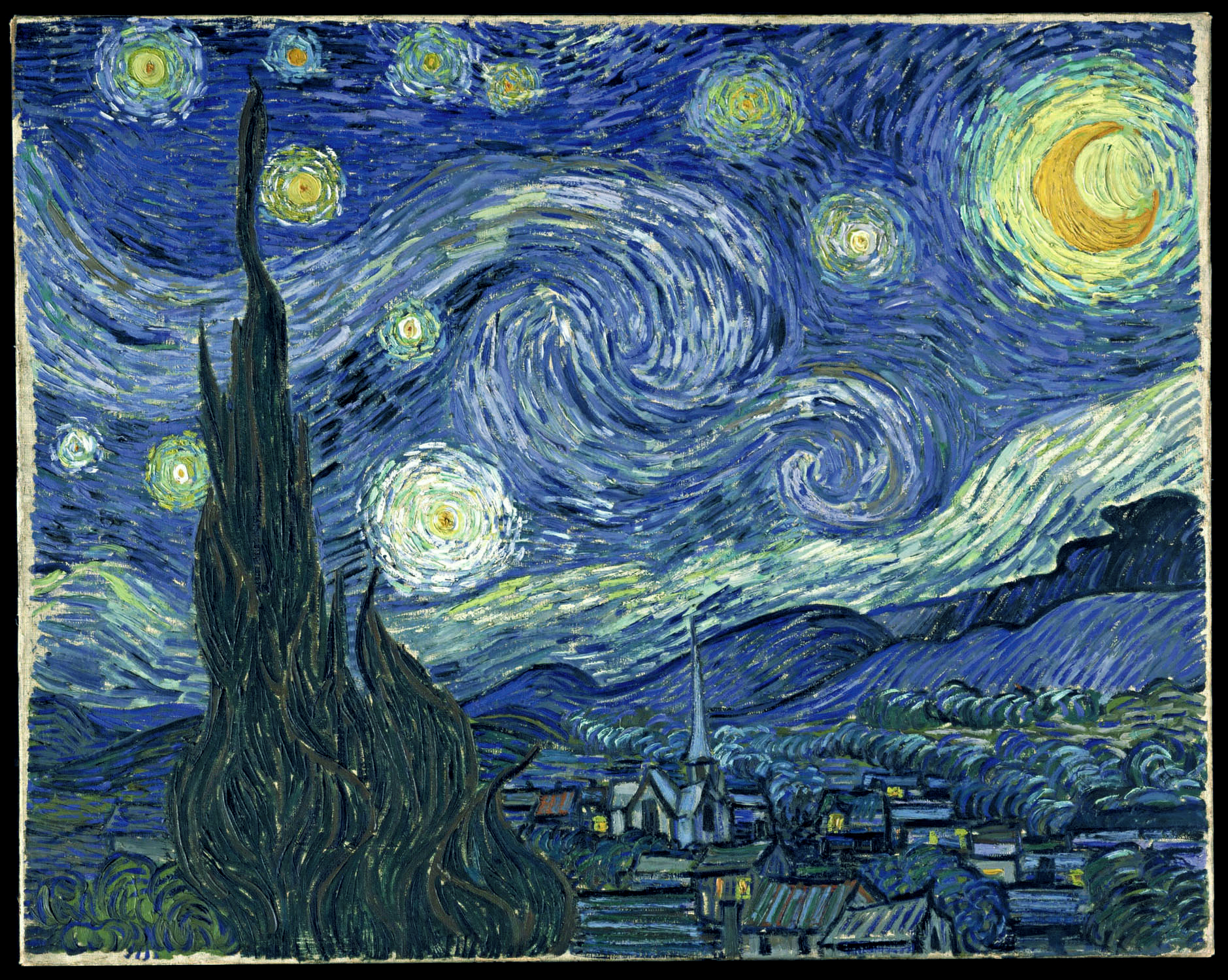
Still in crisis, Van Gogh voluntarily entered the Saint-Paul-de-Mausole asylum in Saint-Rémy (a little bit away from Arles) in May 1889. His room had a barred window, but the view was described as spectacular, showing wheat fields, olive groves, vineyards, and distant mountains. His over a year-long stay there was punctuated with periods of hallucinations, delusions, confusion, self-destructive tendencies, fear, and so on. Theo, his caring brother, insisted to the asylum that he be allowed to paint as much as possible. Vincent once said, “Dying is hard, but living is harder still.” Despite the turmoil of the period, the creative output is astonishing. Starting with views outside his window and gradually moving to the irises, cypresses, olive groves, and fields as he was allowed to go outside. Inspired by the view from his window, he painted "The Starry Night" in June of 1889. The paintings were not the product of his illness; rather, they allowed him to survive and heal through his art, a kind of art therapy at work. It is not mad output that we are witnessing here. Van Gogh continued to fear that he would never be a great painter and longed to be free of his illness and the asylum. Let your imagination take flight for a moment and enter Vincent’s swirling mind.
It is night time, and you find yourself a witness to an unfathomable cosmic drama. The sky and stars are in a state of flux. There are hills beneath which is a small village with some olive trees on the side. There is also a dark, foreboding cypress tree pointing towards the sky. The air is full of restless rhythms. Everything flows, swirls, and undulates. What does it all mean? This is the world of “Starry Night.”
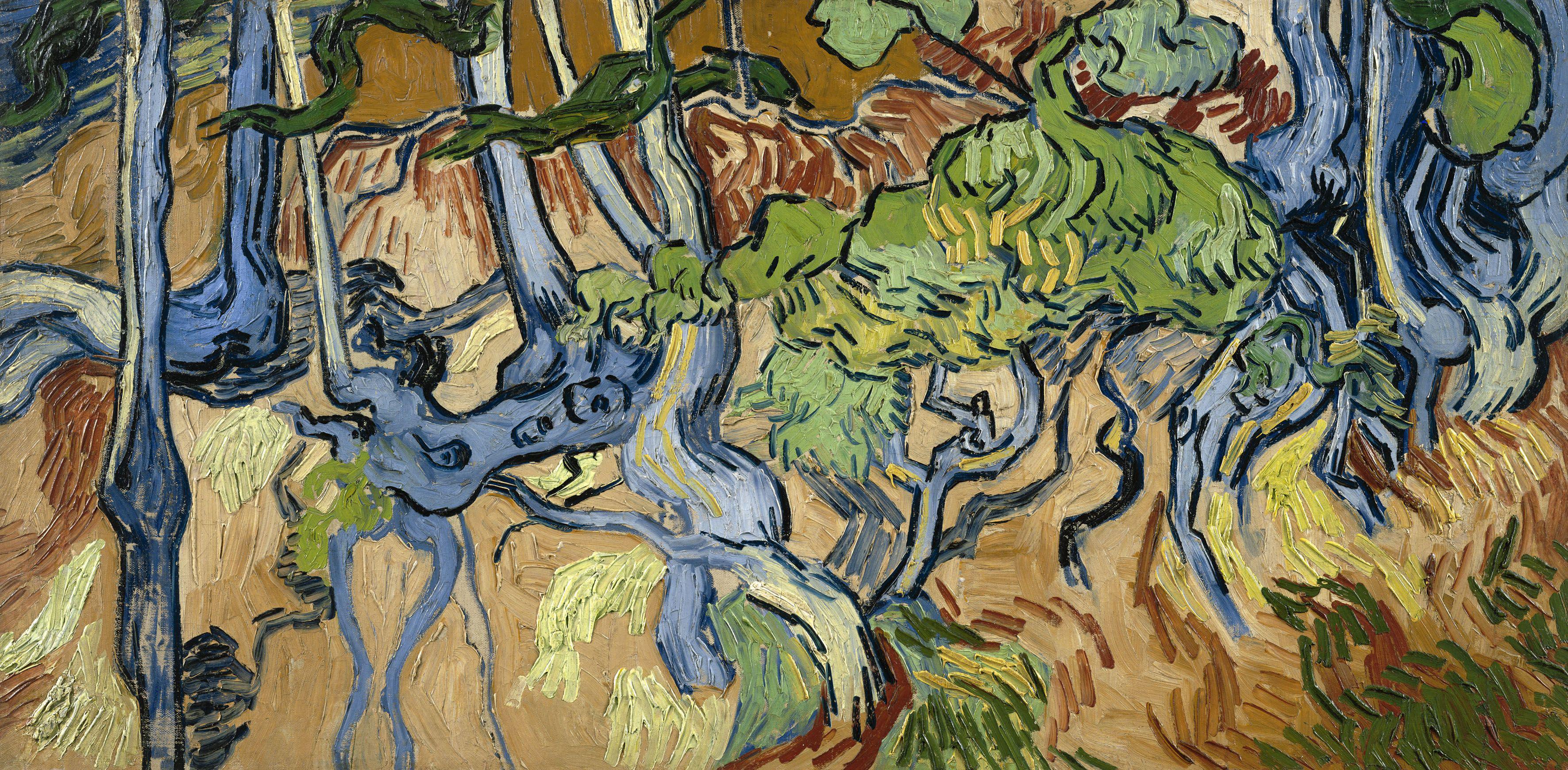
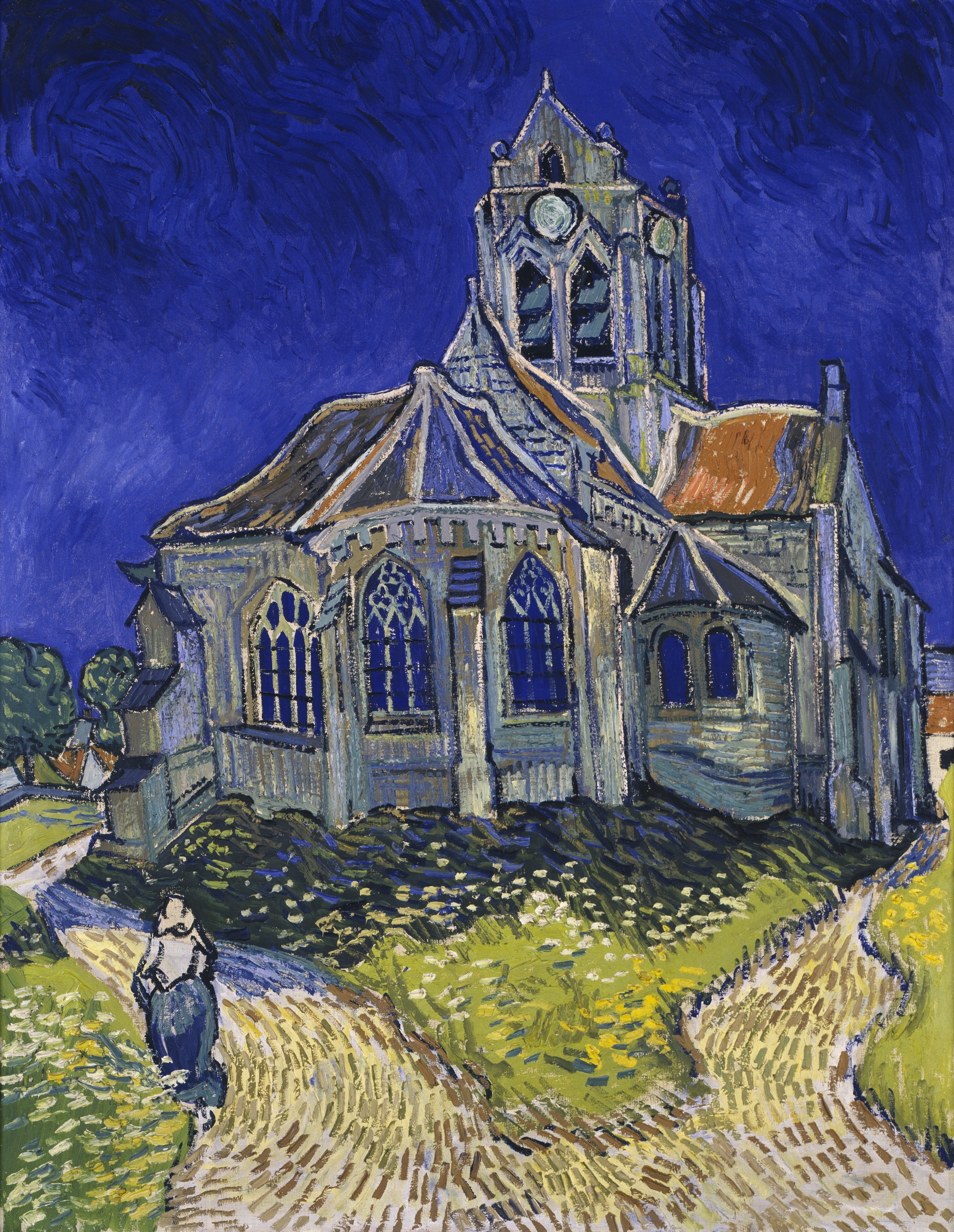
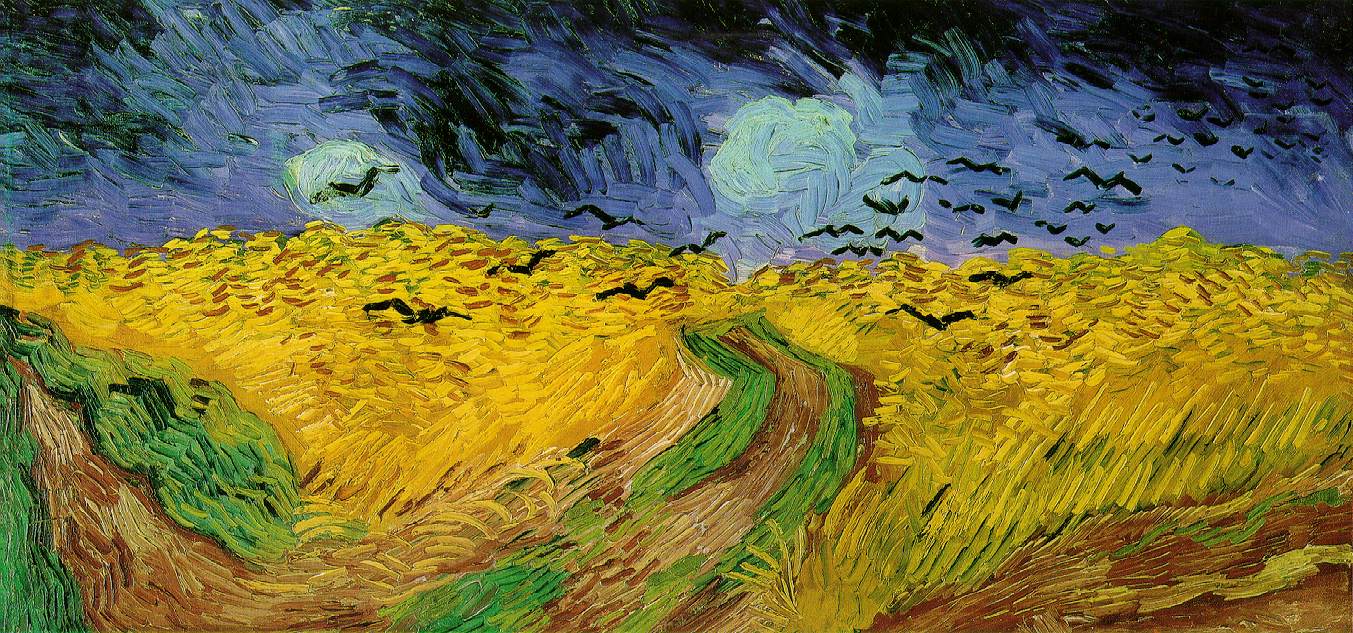
Declared “fit” to leave the asylum, Van Gogh left for Paris in May of 1890. He eventually settled in Auvers-sur-Oise, a rural town near Paris. While there, he was under the care of Dr. Paul Gachet, an amateur painter and art collector himself. Feeling invigorated by nature again, he felt a bit better at first, and these last 70 days were marked by +70 works. Once again working outside the bounds of academic constraints, he continued to experiment with new styles and techniques, and continued to believe in the power of art to cure him. However, soon the depression, loneliness, fear for his future, feeling of being a burden to his brother, and the general chaos of his mind overwhelmed him. His wheat fields express both the healing power of nature and the sadness and loneliness he felt. In one of his last paintings, “Wheat field with Crows,” you see a blue sky, yellow wheat fields, flying black crows, and three endless paths. Where are we headed? In what is considered to be his last painting, “Tree Roots”, the rough brush strokes and tangled, broken roots symbolize his life struggle and despair.
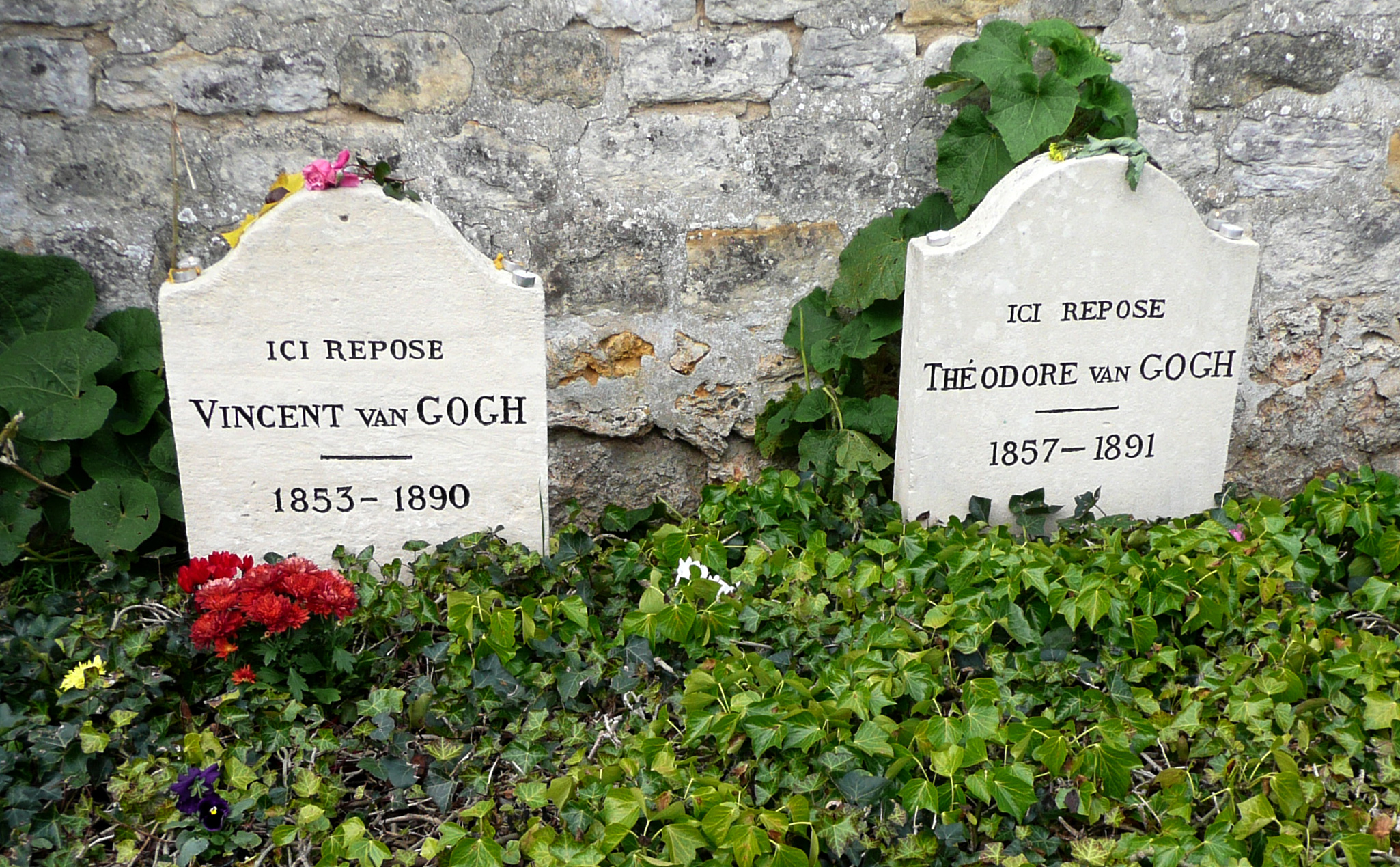
On July 27, 1890, he went out to paint as usual, only to tragically succumb to the chaos and shoot himself. He makes it back to the house, only to die 2 days later at the age of 37 with his brother, Theo, at his side. Theo, himself suffering from Syphilis and overburdened by his grief, died 6 months later. The two brothers are buried beside each other at the municipal cemetery of Auvers-sur-Oise. His sister-in-law, Johanna, was instrumental in preserving his legacy and introducing him to the world, especially after the publication of his letters in 1914. After her, it was the turn of Vincent’s nephew and namesake to continue the legacy by working to collect, purchase, and house his work in the Van Gogh museum in Amsterdam, which opened in 1973.
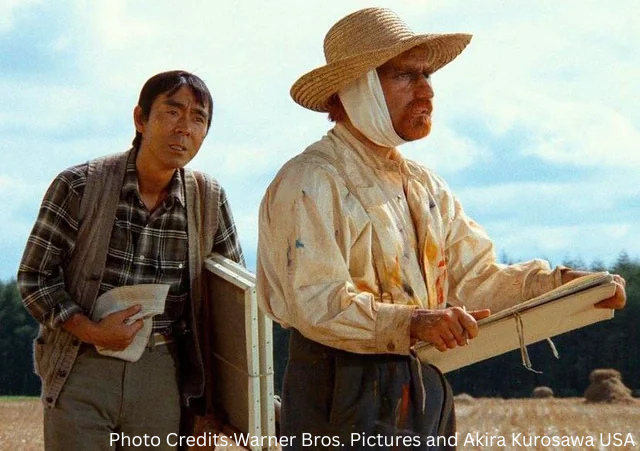
Vincent Van Gogh’s legacy goes much beyond the myth of a devoted, misunderstood genius struggling against all odds. His bold colors, emotive brush work, and the license to paint our feelings have influenced every generation of modern art that has come after him. From Fauvists and German expressionists down to today’s 360-degree digital art immersion craze, his style and intense color palette endure. You can write volumes about his influence on various media after him, whether in art, books, film, TV, Songs, Video games, and so on. I will just mention one out of a million here. Legendary Japanese director Akira Kurosawa, in his film ‘Dreams,’ features a fascinating segment where another legendary director, Martin Scorsese, masterfully portrays Van Gogh amidst his vibrant landscapes. There is the modern day +$100 million dollar painting sales, Van Gogh as a brand phenomenon with numerous collaborations between the Van Gogh museum and different brands, the popularity of digital immersive shows, and continued various depictions and references. At the root of the modern craze and Van Gogh’s legacy is simply a sense of connection to a devoted, passionate human being struggling to survive his pain and turn his vulnerability into beauty. He was not simply a “crazy” man. He saw the world through his pain and painted it passionately with emotional intensity and a raw authenticity unmatched anywhere.
Today’s viewer can feel connected to Vincent’s compelling life story and human struggles with loneliness, rejection, indifference, depression, and mental breakdown. His rhythmic canvases are a direct expression of his inner feelings. Despite the gloom and difficulties of life, you are invited to feel and dream, and heal through nature and expressing yourself through art. You are invited to slow down and see the extraordinary in simple beings and objects, persevere through the pain, be passionate, and create. He said: “I should one day like to show by my work what such an eccentric, such a nobody, has in his heart.” Well, the world has seen it, and they are in awe.
Always be curious, seek out the blurred lines, and be illuminated.